Many homeowners look into pool resurfacing once the surface feels off. Too rough, too dull, or just worn down. After that, you can hear different opinions. One person says resurfacing can make the pool deeper. Someone else claims it can change the shape. It gets confusing fast.
You want clear, honest answers before investing in the project. You want to know what's real before committing to a major project, and you don't want to be misled about what the process can actually change.
The truth is simple. Resurfacing refreshes the interior finish, but it doesn't alter how the pool was originally built. Understanding that difference helps you decide whether you need a basic surface update or a full renovation. The sections ahead walk you through what resurfacing can and can't do, when structural changes are possible, and how to choose the right path for your pool so you avoid costly surprises.
What Pool Resurfacing Actually Does
Now that you understand why many homeowners get confused about what pool resurfacing can change, it helps to look at what the process really does. This keeps you grounded in the facts before you think about depth changes, new pool features, or bigger pool renovations. Pool resurfacing focuses on your pool's interior, not the structure that shapes the entire pool. Once you see that difference, it becomes easier to decide what your existing pool needs and what requires a larger project.
Purpose of Pool Resurfacing

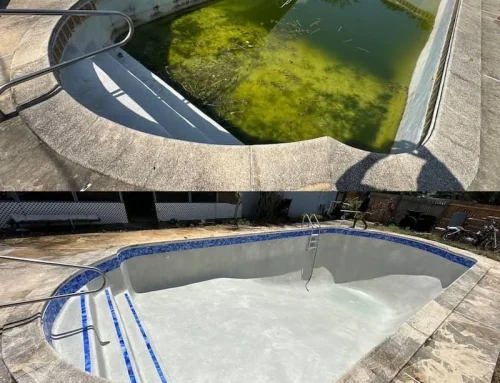
Pool resurfacing restores the inside of the swimming pool so it feels smooth and safe again. It corrects cracks, loose plaster, and rust stains that often show up when a pool surface wears down. A fresh finish improves water quality, The surface becomes easier to clean and less likely to trap algae. It also helps maintain proper water chemistry, which protects concrete pools, fiberglass pools, and vinyl pool liners from long-term damage.
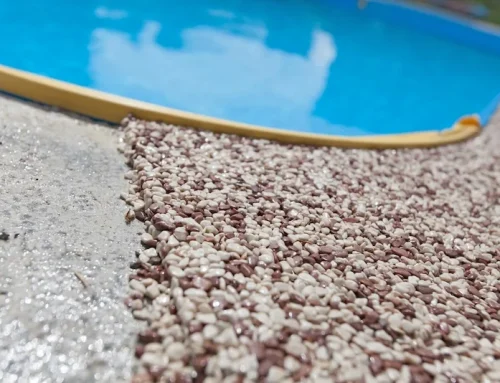
A resurfacing project also upgrades how your backyard pool looks. New pool plaster, pebble finishes, or tile can change the color, texture, and feel of the pool's interior. Many pool owners choose this step to refresh an aging backyard oasis without rebuilding the entire pool shell. It's a cost-effective way to add new life to your current pool while keeping the structure the same.
Materials Used in Modern Resurfacing
Today's swimming pool resurfacing offers more choices than ever. Common resurfacing options include:
-
- Plaster
-
- Pebble
-
- Quartz
-
- Tile
-
- Glass bead pool surfaces
If you want a deeper look at these materials, you can explore them here: Durable Pool Resurfacing Options.
Each material creates a new layer over the existing surface and gives the pool a fresh start. The right choice depends on pool type, pool size, desired look, and material costs.
Can Pool Resurfacing Change Depth or Shape?
Now that you know what pool resurfacing improves inside the pool, it's important to look at what it cannot do. This keeps your expectations clear before you plan the next step for your inground pool.
Why Resurfacing Does Not Change Structural Depth
Pool resurfacing focuses on the pool's interior finish, not the structure that supports the entire space. Even with fiberglass pool resurfacing, plaster, or aggregate finishes, the coating added during the installation process stays thin. It smooths the surface and fixes common signs of wear, but it does not make the pool deeper or shallower.
The depth remains the same because:
-
- Surface coatings add only a thin layer over the existing structure.
- The concrete or fiberglass shell underneath stays intact.
Most pool owners are surprised to learn the new surface is usually only a few millimeters thick. It creates a smooth texture and a clean look, but it cannot change the pool's built-in dimensions.
Why Resurfacing Does Not Change Shape or Dimensions
Pool resurfacing also cannot reshape an inground pool. The new plaster, Pebble Tec, quartz, or glass tile finishes follow the same form as your pool already has. Nothing in this step involves rebuilding the pool shell or altering the layout. The job improves the pool finish but leaves the structure exactly as designed.
Shape changes are not possible because:
-
- The finish is applied over the existing form without reshaping the shell.
- No engineering or structural adjustments take place during resurfacing.
If you want to add water features, custom designs, or a new pool footprint, that requires a full renovation, not a resurfacing project.
When Depth or Shape Changes Are Possible
Now that you know pool resurfacing cannot change depth or shape, it helps to look at the situations where those changes can actually happen. These projects involve structural work, not surface work.
Full Renovations That Alter Depth
Changing depth requires a full renovation because the pool shell must be rebuilt. This applies to concrete and fiberglass pools, and it is far more involved than applying a new pool finish. Contractors need access to the pool's structure, and the work changes how the entire pool performs. Depth changes are often done for safety, comfort, or to make the swimming experience easier for families.
Depth changes happen through steps like:
-
- Excavating the pool floor to lower or reshape it.
- Raising deep ends to reduce water volume and improve energy savings.
- Digging out shallow areas to create deeper swimming zones.
Each option takes more time and carries higher material and labor costs than pool resurfacing, since the structure itself is being modified.
Structural Remodeling That Adjusts Shape
Shape changes also fall under structural remodeling. These updates change how the pool looks, how people move in the water, and how the space functions. Most pool owners choose these projects when upgrading a backyard or adding new features.
Shape changes usually involve:
-
- Rebuilding or extending steps for easier entry.
- Adding benches, tanning ledges, or seating areas.
- Expanding or reshaping the pool shell for a new layout.
These changes require engineering and proper permitting. Unlike pool resurfacing, they transform the structure, not just the surface.
Do You Need Permits to Change Depth or Shape (in Florida)?
If you're in Florida and planning to change your pool's depth or shape, you must follow state and local building rules. These codes protect safety, structure, and water quality. Most structural work falls under the Florida Building Code for Private Swimming Pools, found here: Florida Building Code – Chapter 45: Private Swimming Pools
Any project that alters the pool shell, floor, or built-in features requires a permit. This includes excavation, reshaping, new steps, benches, or major layout changes. Local building departments review your plans and inspect the work to make sure everything meets state standards.
|
Work Type |
Permit Required? |
|
Changing pool depth or reshaping the shell |
✅ Yes — structural work governed by FBC Chapter 45 |
|
Adding steps, benches, tanning ledges, or other built-ins |
✅ Yes — considered structural remodeling |
|
Updating plumbing or electrical systems |
✅ Yes — reviewed for safety and compliance |
|
Standard pool resurfacing (finish only) |
⚠️ Depends on Safety Updates — See note below |
Resurfacing is generally treated as maintenance, but a permit may be required if the work involves updating the main drain (suction outlet) covers, light fixtures, or other safety components. This ensures the pool complies with current anti-entrapment laws. You are updating the interior finish, but safety inspections might be mandatory.
If you're unsure, contact your local permitting office. Florida counties can have small differences in how they handle resurfacing work, so checking early helps you avoid delays or unexpected requirements.
Choosing the Right Path for Your Pool
Now that you know what pool resurfacing can and cannot change, it becomes easier to decide your next step. Resurfacing refreshes the interior. It gives your pool a cleaner, safer surface, but it does not change depth or shape. Those updates only happen through full renovations that work on the pool's structure.
If you're unsure which option fits your pool's condition, Creative Resurfacing Solutions can help. They have a team who can look at the shell, surface, and overall layout to confirm whether resurfacing is enough or if your pool needs deeper work.
Clear guidance early on saves money and prevents surprises, especially if you want long-term improvements for your backyard pool.