Is your pool surface showing cracks, stains, or rough patches? A worn-out finish can ruin the appearance of your swimming pool, make cleaning more difficult, and allow existing surface problems to worsen. Choosing the right pool resurfacing options isn’t just about appearance—you also need to consider durability, maintenance, comfort, and long-term costs. A poor choice could mean resurfacing sooner than expected, spending more on maintenance, or living with a finish that feels uncomfortable underfoot.
The good news is that several pool finishes offer better wear resistance and longer service life than traditional plaster. Whether you’re restoring an aging residential pool or updating a heavily used commercial swimming pool, understanding how these materials compare helps you avoid unnecessary expenses. Before choosing a finish, however, you need to understand the difference between pool resurfacing and replastering. Both terms often come up when discussing pool renovations, but they don’t mean exactly the same thing.
Pool Resurfacing vs. Replastering: What’s the Difference?
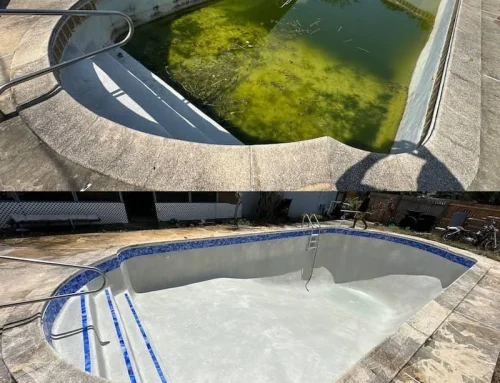
Pool resurfacing involves restoring or replacing the interior finish of your swimming pool. The work may include removing damaged material, repairing the underlying surface, preparing the existing substrate, and applying a new finish. Depending on your pool’s condition and the material you choose, resurfacing can involve traditional plaster, quartz aggregate, pebble, or decorative glass bead finishes.
Pool replastering is one specific type of pool resurfacing. It specifically involves applying a new plaster finish, usually made from white cement and marble aggregate. The main difference comes down to the material being installed: traditional replastering typically uses a plaster-based finish, while other resurfacing options use exposed aggregates or decorative materials to provide different textures, colors, and durability characteristics.
For example, if your existing plaster has become rough and stained, you could choose to replaster with traditional plaster finish. You could also resurface the same pool with a quartz or pebble finish for greater durability. Neither option is automatically right for every pool; your decision depends on the condition of the existing surface, your budget, and how long you expect the new finish to last.
The Best Durable Pool Resurfacing Options
Not all pool finishes perform the same way. Some prioritize affordability and a smooth texture, while others offer greater resistance to staining, chemical exposure, and daily wear. Here are four durable pool resurfacing options worth considering.
1. Pebble Pool Finishes: A Durable and Luxurious Choice
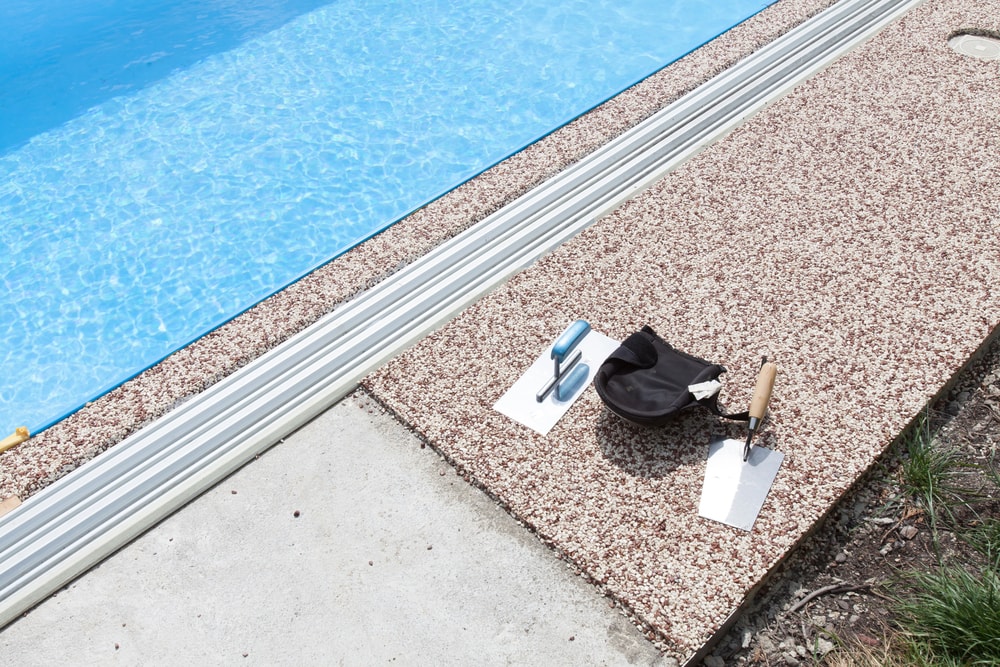
For pool owners seeking a durable, relatively low-maintenance surface, pebble pool finishes offer an excellent solution. Made from a mixture of cement and natural pebbles, this finish withstands regular pool use, UV exposure, and normal chemical treatment. Unlike standard pool plaster, pebble surfaces generally offer superior longevity and require less frequent resurfacing when properly installed and maintained. With proper maintenance, a pebble finish can last 15 to 20 years or longer, making it a cost-effective option over the long term.
The natural stones also create a distinctive appearance. Depending on the size and color of the pebbles, you can achieve anything from a subtle, natural-looking pool interior to a more dramatic tropical design.
Benefits of pebble pool finishes:
- Durable surface that withstands regular swimming pool use.
- Better resistance to surface wear than traditional plaster.
- Available in various pebble sizes, colors, and textures.
- Natural appearance that complements outdoor landscaping.
- Long service life when water chemistry is properly maintained.
When should you choose a pebble finish?
Pebble finishes make sense when you want durability and are comfortable spending more upfront for a longer-lasting surface. They are particularly suitable for heavily used residential pools and homeowners who prefer natural stone aesthetics. However, texture matters: larger exposed pebbles may feel rougher against bare feet, especially on pool steps and benches, while smaller pebble finishes generally provide a more comfortable surface. If comfort is a priority, ask to see and feel actual finish samples before making your decision.
2. Quartz Pool Finishes: A Strong and Vibrant Pool Resurfacing Option
If you want a resilient yet visually appealing finish, quartz pool finishes provide a practical middle ground between traditional plaster and premium pebble surfaces. Made from colored or natural quartz aggregates mixed with cement-based materials, quartz finishes offer better resistance to abrasion and surface wear than standard plaster. They also provide more design flexibility than basic white plaster. With proper installation and maintenance, quartz finishes commonly last 12 to 15 years, although actual service life depends on water chemistry, installation quality, and pool usage.
Benefits of quartz pool finishes:
- Better resistance to wear than traditional plaster.
- Available in numerous colors and textures.
- Attractive finish that enhances pool water appearance.
- Suitable for residential and commercial swimming pools.
- Balance between affordability and long-term durability.
When should you choose a quartz finish?
Quartz works well when you want a more durable finish than traditional plaster without necessarily paying for a premium pebble surface. It is also a practical option when appearance matters, as colored quartz aggregates can produce different water tones depending on the finish color, pool depth, and surrounding light.
3. Plaster Pool Surfaces: A Budget-Friendly Resurfacing Option
For pool owners looking for an affordable way to refresh their swimming pool, traditional plaster remains a popular choice. This finish typically combines white cement and finely crushed marble to create a smooth, classic swimming pool surface. Its biggest advantage is affordability—traditional plaster generally costs less upfront than quartz, pebble, and decorative aggregate finishes, while providing a smooth texture that many swimmers find comfortable.
However, plaster is more sensitive to water chemistry and surface wear than many aggregate finishes. With proper maintenance, traditional plaster commonly lasts 7 to 10 years, although poorly maintained water chemistry can shorten its lifespan.
Benefits of plaster pool finishes:
- Lower upfront resurfacing cost.
- Smooth and comfortable swimming surface.
- Classic appearance that works with many pool designs.
- Widely available material.
- Practical option for budget-conscious renovations.
When should you choose plaster?
Traditional plaster is worth considering when your existing pool structure is sound, and you want to restore its appearance without investing in a premium finish. It can also make sense when you prefer a traditional smooth surface over the textured feel of exposed aggregate. However, lower installation costs do not always mean lower lifetime expenses; if you plan to keep your pool for many years, you should compare the cost of potentially resurfacing it again against the higher initial investment required for a longer-lasting material.
4. Glass Bead Pool Surfaces: A Durable and Luxurious Choice
For homeowners who want a premium swimming pool appearance, glass bead finishes offer distinctive visual appeal. These surfaces incorporate decorative glass aggregates into a cement-based finish. The glass reflects light beneath the water, creating shimmering effects and enhancing the perceived depth and color of the pool. Depending on the product, glass bead finishes may be combined with other aggregates to improve durability and appearance.
Properly installed and maintained glass aggregate finishes can provide many years of service, with some systems offering a lifespan of approximately 15 to 20 years. However, performance varies by manufacturer and finish composition.
Benefits of glass bead pool finishes:
- Reflective appearance that enhances pool water color.
- Wide range of decorative designs.
- Premium finish suitable for custom swimming pools.
- Durable aggregate-based surface.
- Distinctive appearance compared with traditional plaster.
When should you choose a glass bead finish?
Glass bead finishes are best suited to homeowners who prioritize appearance and want a customized swimming pool. They can work particularly well in modern outdoor spaces where the pool serves as a central design feature. However, not all glass bead finishes feel the same; texture, aggregate exposure, and installation quality influence how comfortable the finished surface feels. Before choosing this material, review actual samples and discuss maintenance requirements with your installer.
Pool Resurfacing Options Compared by Cost and Lifespan
Choosing the right finish becomes easier when you compare the materials side by side. The following estimates provide general planning guidance rather than guaranteed service life or installation prices.
|
Pool finish |
Estimated lifespan |
Relative upfront cost |
Main advantage |
|
Traditional Plaster |
7–10 years |
Lower |
Affordable and smooth |
|
Quartz aggregate |
12–15 years |
Moderate |
Durability and color variety |
|
Pebble aggregate |
15–20+ years |
Moderate to high |
Long service life |
|
Glass bead aggregate |
15–20 years |
High |
Decorative appearance |
These ranges assume proper installation, suitable water chemistry, and routine maintenance; actual results can vary considerably. If you own a gunite pool, understanding how often a gunite pool should be resurfaced can also help you judge whether your current finish is approaching the end of its useful life. Keep in mind that the cheapest finish today may not be the least expensive option over the life of your pool.
You should also consider preparation costs. Removing a deteriorated finish, repairing cracks, and addressing underlying damage can increase the total project price regardless of which material you choose. A professional inspection helps establish whether your project requires routine resurfacing or more extensive repairs.
What Happens During the Pool Resurfacing Process?
Understanding the resurfacing process helps you know what to expect before work begins. Although installation methods vary depending on the material and existing pool condition, most resurfacing projects involve several important stages.
- Inspecting the Existing Pool Surface: Before selecting a new finish, your contractor should examine the condition of your existing pool. This includes checking for cracks, hollow or delaminated plaster, staining, surface deterioration, and signs of water loss. Some problems are cosmetic, while others may indicate structural damage that needs attention before resurfacing. For example, a rough plaster finish may simply be approaching the end of its service life, but a structural crack could require additional evaluation and repair. Installing a new finish over an unresolved problem can lead to premature failure.
- Draining and Preparing the Pool: Once the pool has been assessed and the work planned, the contractor may need to drain it. In Florida, this step requires particular care: high groundwater levels can create hydrostatic pressure beneath an empty swimming pool that can cause serious structural movement or damage. For that reason, draining should be handled by experienced professionals. After draining, the crew prepares the existing surface by removing deteriorated material, exposing a sound substrate, cleaning, repairing defects, and applying a compatible bonding system.
- Applying the New Pool Finish: Once the surface is properly prepared, the selected material is installed according to its specifications. Traditional plaster, quartz aggregate, pebble, and glass bead finishes have different application and finishing requirements. The contractor must pay close attention to material consistency, thickness, surface preparation, and finishing techniques, as poor workmanship can cause uneven textures, discoloration, or premature surface problems.
- Curing, Filling, and Water Chemistry: The work does not end when the finish is applied. Cement-based pool finishes require appropriate curing and startup procedures. Depending on the material, your contractor may provide specific instructions for filling the pool, brushing the surface, operating equipment, and adjusting water chemistry. Following these instructions matters because improper startup conditions can contribute to scaling, staining, or surface damage. Always follow the finish manufacturer’s requirements and your installer’s approved startup procedure.
How to Choose the Right Pool Resurfacing Option in Florida
Selecting the best pool resurfacing option depends on more than appearance. A durable, well-chosen surface should match how you use your pool, how much maintenance you’re willing to perform, and how long you expect to keep the property. If you’re planning pool resurfacing in Naples, local conditions and the current state of your pool should also factor into the material you choose.
Here are the factors worth considering before making your decision:
- Consider How Often You Use Your Pool: If your swimming pool gets heavy use, a high-durability finish such as quartz aggregate or pebble may be worth the additional investment. Frequent swimming, pool equipment, and routine cleaning place wear on the surface over time, so a more durable finish helps reduce the need for premature resurfacing.
- Think About Comfort and Texture: A pool finish should feel comfortable when you walk across the shallow end or sit on underwater benches. Traditional plaster generally offers a smooth texture. Pebble and other exposed aggregate finishes provide more texture, although the degree of roughness varies by product. If you have children or frequently use pool steps and benches, surface comfort deserves careful consideration.
- Compare Your Budget Against Long-Term Costs: Plaster typically provides the lowest upfront material cost. Quartz offers a balance between durability and price, while premium pebble and glass aggregate finishes generally require a larger initial investment. However, resurfacing costs involve more than the finish itself—surface preparation, repairs, pool size, accessibility, and installation complexity all affect the final estimate. When comparing quotes, make sure each contractor includes the same preparation and repair work so you are comparing equal scopes of service.
- Account for Florida’s Climate and Water Chemistry: Florida swimming pools face year-round exposure to sunlight, warm temperatures, heavy rainfall, and frequent use. However, climate alone does not determine how long your pool finish lasts—water chemistry plays a major role. Poorly balanced pool water can contribute to etching, scaling, staining, and deterioration of cement-based finishes. Even a premium resurfacing material can experience problems when water chemistry is consistently neglected, so choose a finish you can maintain properly rather than assuming a more expensive material eliminates maintenance.
- Evaluate the Condition of Your Existing Pool: Before choosing between plaster, quartz, or pebble, determine whether your pool needs only a new interior finish. Surface discoloration and roughness may indicate normal aging, but significant cracking, persistent water loss, or widespread hollow areas may point to problems that require additional investigation. A new finish can improve appearance and restore a worn surface, but it cannot correct underlying structural or waterproofing issues. An experienced pool resurfacing contractor should identify these concerns before recommending materials.
When Should You Replaster Instead of Choosing a Premium Finish?
Traditional replastering remains a practical option for many swimming pools, as you do not always need the most expensive finish to achieve a satisfactory result. Replastering may be the better choice when:
- Your existing pool structure is in good condition.
- You want a smooth, traditional swimming surface.
- Your renovation budget is limited.
- You are comfortable with a shorter expected service life.
- You prefer a simple appearance over decorative aggregates.
On the other hand, quartz or pebble finishes may provide better long-term value when you want greater durability and plan to keep your swimming pool for many years. For example, if your existing plaster finish has reached the end of its service life, replacing it with another plaster finish may restore your pool at a relatively affordable cost. However, if you have already replastered several times and want a finish that may last longer, upgrading to an aggregate-based material could make more sense. Your decision should reflect both the immediate installation cost and the likelihood of future resurfacing—the key is choosing a material that matches your expectations rather than assuming every pool needs the same solution.
Get Professional Help Choosing the Best Pool Resurfacing Option
Choosing the right pool resurfacing option becomes easier when you understand the condition of your existing surface and how different materials perform. Traditional plaster offers affordability and a smooth finish; quartz provides a balance between durability and appearance; and pebble and glass aggregate finishes offer longer-lasting alternatives with distinctive designs.
For swimming pool resurfacing in Tampa, Creative Resurfacing Solutions can help you evaluate your existing surface and explore finish options suited to your needs and budget. Contact Creative Resurfacing Solutions today to discuss your pool resurfacing project and request a professional assessment.