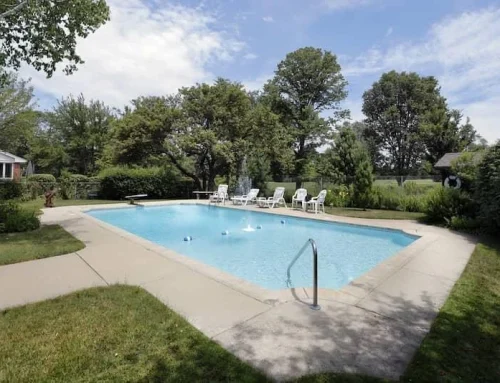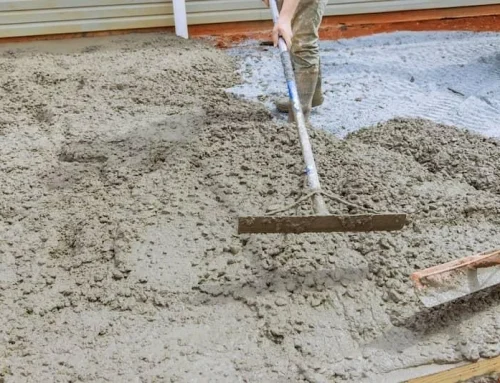
Florida weather is rough on concrete, and most homeowners do not realize how quickly small problems can turn into expensive ones. You might notice faded stamped concrete, peeling coatings, tiny cracks, or rough spots around a pool deck in Orlando or Tampa and assume it is just normal aging. Sometimes it is. Other times, those are early signs of deeper concrete deterioration happening below the surface layer.
Heat, heavy rain, humidity, shifting soil, and pool chemicals all contribute to faster wear across driveways, patios, concrete floors, and pool decks. Once water seeps into weak areas, the concrete surface becomes more vulnerable to pressure, erosion, and chemical damage. Over time, minor cosmetic issues can turn into costly repairs.
In this article, you will learn what actually causes concrete damage faster in Florida, what warning signs to watch for, and when concrete resurfacing still makes sense before replacement becomes the smarter move.
Key Takeaways
|
Florida's Climate Is Harder on Concrete Than Most Homeowners Realize
Florida weather constantly stresses your concrete slabs, especially when they stay exposed to direct sun, heavy rain, and rapid temperature swings. Many homeowners think only northern states deal with serious concrete damage, but Florida creates its own problems. In fact, several local conditions quietly cause concrete damage faster than people expect.
The biggest factor is heat. In cities like Naples and Orlando, outdoor concrete floors, pool decks, and driveways absorb intense UV exposure almost every day. Over time, the surface dries unevenly. Sealers wear down faster. Decorative finishes fade. Even polished concrete can lose clarity when constant sun exposure weakens the top protective layer.
You especially notice it on darker surfaces. A pool deck may feel fine in the morning, then become almost too hot to walk on by mid-afternoon. CRS already explains this deeper in their blog about why concrete pool decks get hot, and it ties directly into long-term wear.
Heat also makes concrete start expanding and shrinking daily. Those tiny movements sound harmless, but after years of Florida summers, stress builds inside the material. Small cracks begin forming around joints, edges, and weak areas. Once moisture gets inside, deterioration speeds up quickly.
Unlike northern states, Florida rarely deals with severe freeze-thaw cycles, but constant humidity and wet conditions create a different type of corrosion problem. The cement structure stays under stress longer, especially around pools, lanais, and older patios.
The result is gradual concrete deterioration that many homeowners do not notice until the damaged concrete becomes harder to repair.
Moisture Is Usually the Bigger Problem Beneath the Surface
Most people blame heat first, but moisture is usually what causes concrete damage faster underneath the slab. Florida's humidity, storms, and high water table create constant moisture movement below the surface.
The problem gets worse because concrete is porous. Water naturally moves through it. Once water seeps below coatings or inside small cracks, the concrete surface weakens from underneath. You may only see peeling paint or bubbling overlays at first, but the actual problem is happening below the visible layer.
A good way to picture hydrostatic pressure is to think about water trapped under plastic on a hot day. The moisture has nowhere to go, so it pushes upward. Florida soil does something similar. The wet ground pushes moisture through porous concrete slabs, sometimes blasting coatings off from below.
You often see this around Tampa pool decks after long rainy periods. A homeowner may think the coating failed randomly, but moisture buildup was already trapped underneath months earlier.
Some common warning signs include:
-
- Bubbling or peeling coatings
-
- White powder deposits on the surface
-
- Dark wet spots that never fully dry
-
- Flaking or spalling concrete
-
- Hollow-sounding areas beneath overlays
Drainage problems make things even worse. If rainwater constantly collects near patios, sidewalks, or driveways, the soil beneath the slab slowly shifts. Over time, voids form under the structure. The slab loses support, leading to uneven settling and larger cracks.
Many homeowners try quick patching or filling visible damage without fixing the moisture source first. Unfortunately, repeated cosmetic repairs rarely last long in Florida when the underlying conditions stay wet.
CRS talks more about long-term protection in their blog about why waterproof concrete matters, because keeping moisture out early helps prevent damage before it spreads deeper into the slab.
Coastal Air and Pool Chemicals Can Accelerate Surface Wear
If you live near the coast, your concrete is dealing with another layer of stress. Salt exposure slowly breaks down the surface over time, especially in places like Naples or Clearwater, where outdoor areas stay exposed year-round.
Salt carries chloride ions, and those minerals gradually work into porous concrete slabs. Once inside, they increase the risk of internal corrosion, especially around reinforced steel. The damage usually starts small. Slight discoloration. Rough texture. Minor spalling. Then the concrete surface begins wearing down faster each season.
Pool decks experience another issue. Constant splash out from chemically treated water changes the chemistry of nearby concrete. Chlorine, saltwater systems, and even calcium chloride residue can slowly weaken sealers and decorative finishes.
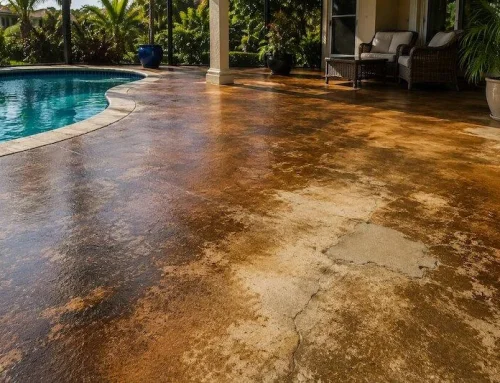
You see it often on older stamped concrete around pools. The color starts fading unevenly. The texture becomes rougher. Coatings stop bonding properly because the surface layer has already been compromised.
Pool owners sometimes think resealing alone is the complete solution, but if chemical exposure has already penetrated the material, the underlying deterioration continues spreading beneath the visible finish.
Good maintenance helps slow the process, but Florida pool environments remain highly susceptible to long-term wear.
Why Some Concrete Repairs Last 10 Years While Others Fail in 2
The biggest difference is usually not the product itself. Site conditions matter more. Florida creates a moving target for concrete repair, which is exactly what causes concrete damage faster in some properties than others.
A repair in shaded Winter Park may last far longer than the exact same project installed on a fully exposed Tampa driveway. Sun exposure, moisture levels, drainage, soil movement, and nearby pool chemicals all affect longevity.
You can think of Florida concrete almost like sunscreen on skin. Two people may use the same material, but the one spending all day exposed to harsh conditions will wear down much faster.
This becomes especially important with overlays and decorative finishes. If a slab already has trapped moisture, unstable soil, or existing movement underneath, even high-quality concrete resurfacing may struggle long-term.
Many homeowners immediately assume poor workmanship whenever repairs fail early. Sometimes that happens. But often, the environment itself was never fully assessed during the first step of the evaluation.
For example:
|
Site Condition |
Long-Term Impact |
|
Poor drainage |
Moisture buildup under coatings |
|
Constant direct sun |
Faster fading and expansion stress |
|
Shifting or sandy soil |
Slab movement and cracking |
|
Pool splash exposure |
Faster chemical wear |
|
Existing hidden moisture |
Bubbling and peeling |
CRS explains more about this in their blog on why concrete resurfacing fails, especially when underlying slab conditions were already unstable before resurfacing even began.
Florida conditions constantly change the lifespan equation. One slab may stay stable for years while another, only a few streets away, deteriorates much faster.
Signs Concrete Damage Is Getting Worse Instead of Stabilizing
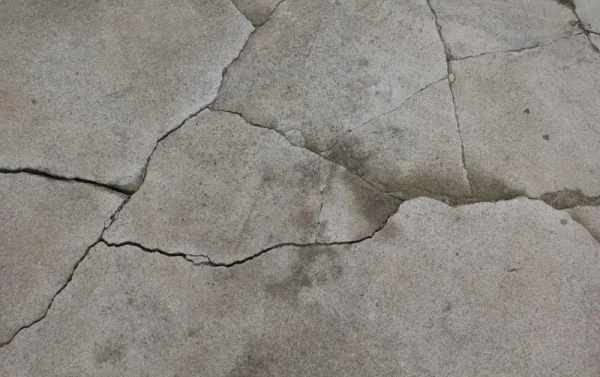
Small cosmetic wear is normal. The problem starts when the concrete damage keeps spreading instead of leveling out. In Florida, deterioration rarely stays contained once moisture and movement get involved.
Here are some red flags homeowners should pay attention to:
-
- Cracks are becoming wider or longer over time.
-
- Sections that sound hollow when tapped
-
- Peeling coatings returning after repeated repairs
-
- Standing water near the slab after rain
-
- Uneven settling along edges or corners
-
- Flaking or spalling around the surface
-
- Dark, wet areas that stay present for days
-
- Loose or rough texture developing across patios or pool decks
One issue often leads to another. Moisture enters through small cracks. The wet soil beneath the slab shifts. More movement develops. Then the surface starts separating or lifting.
You especially notice this around older pool decks in Orlando, where years of rain and heat cycles slowly weaken the slab underneath. Homeowners sometimes spend years waiting and patching isolated spots before realizing the entire concrete surface has become unstable.
The earlier you assess the problem, the easier it usually becomes to protect the slab from larger structural damage.
When Resurfacing Still Makes Sense — And When Replacement May Be Smarter
Not every damaged slab needs full replacement. In many Florida homes, concrete resurfacing still works well when the underlying structure remains stable.
If the damage stays mostly cosmetic, resurfacing can restore appearance and extend lifespan without tearing everything out. That includes:
-
- Minor surface cracks
-
- Faded decorative finishes
-
- Worn pool deck texture
-
- Light discoloration
-
- Aging stamped concrete surfaces
-
- Small areas of surface wear
This approach works best when the slab itself still has solid support underneath.
Replacement becomes more realistic once deeper structural movement enters the picture. Severe settling, major voids, large shifting concrete slabs, or widespread moisture intrusion usually point toward bigger underlying problems.
One common example in Florida happens when shifting soil creates uneven support under driveways or patios. You may keep patching visible damage, but the movement underneath continues stressing the slab every season.
At that stage, resurfacing alone may only become a temporary fix.
The smartest move is usually getting the concrete evaluated early, before minor deterioration turns into widespread structural failure. Catching problems sooner gives you more repair options and helps avoid much larger replacement costs later.
Florida Concrete Damage Usually Starts Small Before It Gets Expensive
Most serious concrete damage in Florida does not happen overnight. It builds slowly through heat, moisture, chemical exposure, and gradual slab movement. By the time major cracks or peeling coatings become obvious, the underlying conditions have often been developing for years.
The good news is that many surfaces can still be saved when problems are caught early. Proper drainage, realistic maintenance, moisture control, and timely concrete repair all help extend the life of pool decks, patios, and driveways across Orlando, Tampa, and Naples.
If your slab already shows signs of ongoing deterioration, getting a professional evaluation before the damage spreads further can save a significant amount in the long term. Creative Resurfacing Solutions helps homeowners assess worn concrete surfaces throughout Florida and determine whether resurfacing, repair, or replacement makes the most sense for the condition of the slab.