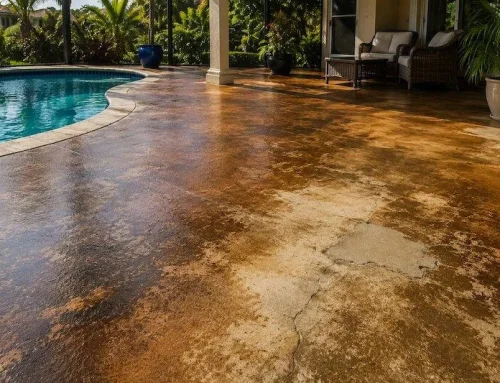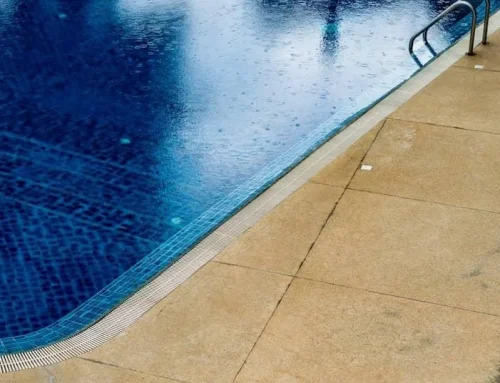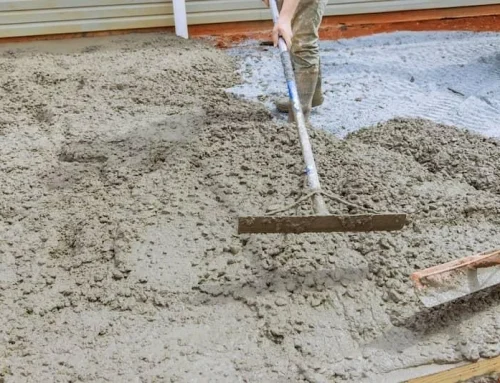
Your driveway has cracks, your patio looks worn, or your pool deck has stains that won’t wash away. You know something needs attention, but does the entire concrete slab really need to go?
Before paying for demolition, you should understand concrete resurfacing vs replacement. Both can restore your outdoor space, but the right choice depends on what’s happening beneath the damage.
In Florida, heavy rain, strong sunlight, and constant moisture can wear down concrete surfaces. Some problems only affect appearance. Others point to more serious damage that a new coating won’t fix.
Knowing the difference can save you from paying for unnecessary work or choosing a repair that won’t last.
Concrete Resurfacing vs Replacement: What’s the Actual Difference?
The main difference is whether your existing concrete stays in place or gets removed.
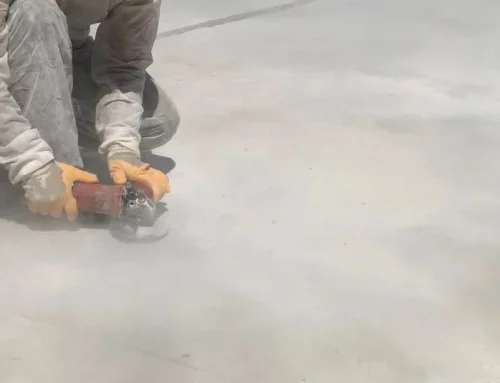
- Concrete Resurfacing: Your contractor prepares the existing surface, repairs suitable damage, and applies a thin layer of resurfacing material. The goal is to restore appearance and performance without rebuilding the entire slab.
- Concrete Replacement: Involves breaking up the old material, hauling it away, preparing the base, and pouring a new slab.
Quick Comparison Matrix
|
Factor |
Resurfacing |
Replacement |
|
Existing slab |
Remains in place |
Removed |
|
Best for |
Cosmetic wear and stable concrete |
Major structural damage |
|
Project cost |
Generally lower |
Generally higher |
|
Disruption |
Usually less |
More demolition and construction |
|
Appearance |
New finish and texture |
Entirely new concrete |
|
Limitation |
Cannot fix unstable slabs |
Requires more extensive work |
For a worn concrete driveway or faded patio, resurfacing may offer minimal disruption. However, if the slab has moved or lost support, replacement may be necessary.
When Is Concrete Resurfacing the Better Choice?
Resurfacing works best when your concrete looks damaged but remains structurally sound.
1. Your Concrete Is Worn but Still Stable
Florida’s UV exposure, humidity, and frequent rainfall can leave outdoor concrete faded, rough, or discolored.
If the damage involves surface imperfections, stains, or shallow wear, resurfacing can provide a fresh finish without removing the slab. The key is checking whether the damage stops at the surface.
2. You Have Minor Cracks That Can Be Repaired
Not every crack means your driveway needs replacement. Small cracks caused by normal shrinkage may be suitable for concrete repair before resurfacing. However, widening cracks or sections sitting at different heights deserve closer inspection. Simply covering active cracks can allow them to return through the overlay.
3. You Want to Improve Your Outdoor Space
A faded pool deck or aging existing driveway can affect your home’s curb appeal. Resurfacing offers decorative textures and finishes that can update the appearance of your outdoor areas. If your pool deck, lanai, or walkway has a stable concrete base, you can explore resurfacing options for pool decks, lanais, and walkways to improve the look of your space without tearing out the entire slab.
When Should Concrete Be Replaced Instead?
Replacement becomes the better choice when damage affects the slab’s stability rather than just its appearance.
1. Major Cracks or Structural Damage
Deep cracks, widespread fractures, and cracks with vertical displacement can signal structural problems. For example, if one side of a crack sits noticeably higher than the other, the slab may have shifted. Covering that difference won’t correct the movement.
2. Sinking or Uneven Concrete
An uneven driveway may indicate soil movement, erosion, or poor base support. Around Tampa and Brandon, heavy rainfall and drainage problems can contribute to soil movement beneath outdoor slabs. Some settled sections may qualify for specialized lifting or stabilization. Others need replacement, especially when the supporting base has failed.
3. Damage Extends Beyond the Surface
When large areas are crumbling, breaking apart, or losing support, an overlay may not provide a lasting fix. Significant damage often requires more than patching. If the slab continues deteriorating underneath, resurfacing only hides the problem temporarily.
Before comparing concrete resurfacing vs replacement, make sure the underlying damage has been properly identified.
How Does a Contractor Determine Which Option You Need?
A reliable assessment starts with the surface condition, then examines whether the slab and its supporting base can handle another finish.
- Check the Cracks and Previous Repairs: Your contractor should examine crack patterns, loose concrete, failed coatings, and areas where previous repair work hasn’t held up. Repeated cracking in the same location may suggest movement that needs attention before another coating is applied.
- Examine Structural Stability: The inspection should identify settlement, uneven sections, and signs of lost support. A resurfacing system depends on the structural integrity of the existing slab. Even excellent surface preparation cannot compensate for an unstable base.
- Look for Moisture and Drainage Problems: Florida’s frequent downpours make drainage particularly important. Standing water, recurring damp spots, and poor slope can affect the performance of a resurfaced area. Moisture conditions also influence coating selection and installation. Even a well-applied overlay can fail when moisture, poor surface preparation, or movement underneath the slab gets overlooked. Knowing why concrete resurfacing fails can help you spot problems before investing in a new finish.
Your contractor should identify these underlying issues rather than assume resurfacing will solve them.
Does Resurfacing or Replacing Concrete Make More Financial Sense?
Resurfacing generally costs less upfront because you’re keeping the existing slab. You avoid much of the demolition, disposal, and material expense involved in full replacement. However, the lowest initial price isn’t always the best long-term investment.
Compare the Total Work Required
Your project’s cost depends on the area measured by square foot, surface preparation, repairs, finish, and access. Replacement costs also depend on demolition, disposal, base preparation, and new concrete installation. If extensive repairs are needed before resurfacing, the price difference may narrow.
Think Beyond the Initial Quote
A cheaper overlay isn’t a bargain if the slab keeps moving and the finish fails. Likewise, driveway replacement may be unnecessary if the concrete remains stable and only needs surface restoration.
If your existing slab is still stable, resurfacing may give you better value without paying for demolition. But the real savings depend on how long the finished surface will last. Before making a decision, take a closer look at whether concrete resurfacing is worth it for your property.
For concrete resurfacing vs replacement, compare the expected service life and overall condition, not just the first estimate.
Choosing an experienced contractor matters too. Our concrete resurfacing contractor guide explains what to check before hiring someone for your project.
Is the End of the Year a Good Time to Resurface Concrete in Florida?
Late fall can be a practical time to schedule resurfacing in Florida, especially if you’re planning outdoor improvements before holiday gatherings.
Cooler Weather Can Help With Project Planning
By November and December, Florida often experiences less intense heat than during summer. However, resurfacing still requires suitable temperatures, dry weather windows, and acceptable slab moisture levels. Cooler conditions alone don’t guarantee successful installation.
Get Your Outdoor Areas Ready for Guests
If your driveway looks worn or your pool deck has become rough, you may want the work completed before visitors arrive.
Scheduling an assessment in late October gives you time to compare options and discuss installation requirements.
Still, don’t rush the job just to meet a holiday deadline. If your concrete has serious structural issues, proper correction matters more than finishing before December.
A Simple Checklist to Help You Decide
You can use these signs to prepare for a contractor’s inspection.
Resurfacing may make sense if:
- Your slab is stable and relatively level.
- Damage mainly affects the surface.
- Cracks are minor and repairable.
- Drainage is working properly.
- You want a new decorative finish.
Replacement may be necessary if:
- Large sections have shifted or sunk.
- Cracks show vertical displacement.
- Concrete is breaking apart deeply.
- The supporting base has failed.
- Previous repairs keep failing.
Treat these as warning signs, not a final diagnosis. When weighing concrete resurfacing vs replacement, the best course depends on the extent of damage and whether the existing slab can reliably support the proposed work.
Don’t Decide Based on Appearance Alone
Your concrete may look terrible while still having years of useful life left. On the other hand, a slab with only a few visible cracks could be hiding serious movement beneath the surface.
That’s why concrete resurfacing vs replacement should start with a proper evaluation, not a guess based on appearance.
Creative Resurfacing Solutions is a trusted Florida concrete resurfacing specialist serving homeowners who want practical, lasting improvements to their outdoor spaces. Whether you’re considering a driveway refresh, patio upgrade, or pool deck restoration, you deserve to know what your existing concrete can safely support.
Before paying to tear everything out, contact Creative Resurfacing Solutions to discuss your project and find out whether resurfacing is the right investment for your property.
Frequently Asked Questions
Is it better to resurface or replace concrete?
Resurfacing is generally better for cosmetic damage on stable concrete. Replacement makes more sense when the slab has serious cracking, movement, or base failure.
How do you know if concrete can be resurfaced?
Your contractor should check the slab’s stability, cracks, surface strength, drainage, and previous coatings. A stable, properly prepared surface is essential.
Can badly cracked concrete be resurfaced?
Not always. Minor cracks may be repaired, but widespread cracking or vertical movement can indicate damage that resurfacing cannot correct.
Is resurfacing concrete cheaper than replacing it?
Usually, yes. Resurfacing avoids much of the demolition and new material expense. However, extensive preparation and repairs can increase the total price.
Can you resurface old concrete?
Yes, provided the concrete remains sound and suitable for the resurfacing system. Age alone doesn’t determine whether replacement is necessary.
How long does concrete resurfacing last?
Lifespan depends on the system, installation quality, traffic, exposure, and maintenance. Proper cleaning, timely repairs, and sealing when recommended can help protect the finish.