Hiring a concrete resurfacing contractor should not feel like a gamble. You want your driveway, patio, or pool deck to look better and last longer, but choosing the wrong company can leave you with peeling coatings, recurring cracks, or repairs that cost more than expected.
The challenge is knowing which contractor understands the work and which one simply offers the lowest price. Two estimates may look similar, yet one includes proper surface preparation, repairs, and moisture checks while the other skips important steps.
Before signing a contract, you need to know what to look for, which warning signs deserve attention, and how to compare your options. This guide will help protect your investment in Florida's demanding climate.
Why Choosing the Right Concrete Resurfacing Contractor Matters
Concrete resurfacing can restore worn concrete without the expense and disruption of tearing out an entire slab. When your existing concrete is structurally sound, a properly installed overlay can cover surface wear, improve texture, and give your property a cleaner appearance.
However, resurfacing concrete involves more than applying a new layer of material.
Your contractor must evaluate the existing concrete surface, identify damage, prepare the slab, and choose a resurfacing system suitable for its condition and intended use. Poor preparation can lead to weak adhesion, peeling, or premature failure.
This matters even more in Florida, where heavy rainfall, high humidity, and prolonged sun exposure can affect how concrete surfaces perform.
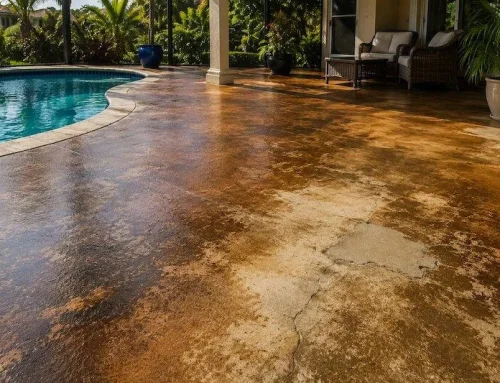
For example, a driveway with shallow cracks and surface staining may be a good resurfacing candidate. A slab with significant movement, deep structural cracks, or widespread deterioration may need more extensive concrete repair or full replacement.
A qualified contractor should explain that difference before recommending a solution.
Key Takeaway: You are not simply paying for a new surface. You are paying for the experience and judgment needed to determine whether resurfacing makes sense for your property.
What to Look for in a Concrete Resurfacing Contractor
Before comparing prices, narrow your options to companies with relevant experience, verifiable credentials, and a clear process. These checks can help you separate skilled professionals from companies that may not be prepared for your particular project.
1. Research the Company's Background
Start by researching potential contractors in your area. Look for an established business presence, completed projects, and clear information about the services offered. A company that specializes in concrete resurfacing should be able to explain its methods and show examples of similar work. Consider asking friends, neighbors, or family for recommendations based on their own concrete projects.
When reviewing a company, consider:
- Experience: How long it has performed concrete resurfacing work
- Property types: Whether it handles residential or commercial properties
- Specialization: What types of concrete surfaces it specializes in
- Portfolio match: Whether it has completed projects similar to yours
- Customer care: How it responds to customer concerns or complaints
You can also check independent review platforms and available public business records. A professional-looking website is helpful, but it should not be your only basis for choosing a contractor.
2. Look for Relevant Experience and Previous Projects
Not every concrete contractor specializes in resurfacing. Pouring new concrete, repairing structural damage, and installing decorative concrete overlays require different skills and equipment.
- Ask to look for examples of completed driveways, patios, walkways, and pool decks.
- Pay attention to projects that resemble yours in terms of surface condition, texture, and intended use.
- For instance, resurfacing a pool deck requires attention to drainage, slip resistance, and comfort underfoot. A driveway needs a system suitable for vehicle traffic and everyday wear.
- Ask how the contractor handled surface preparation, crack repair, and material selection on previous jobs.
A thorough review of past projects helps you judge whether the company has the expertise needed for your property.
You should also look at how a company trains its installers and manages its projects. For example, Creative Resurfacing Solutions uses a structured training program to develop its installation teams, helping you understand the experience and preparation behind the work.
3. Check Customer Reviews and References
Online reviews can reveal patterns in a company's workmanship and customer service. Instead of focusing only on star ratings, read what previous customers say about communication, scheduling, final results, and how the company handled problems.
A few negative reviews do not automatically mean a contractor is unreliable. Look at the nature of the complaints and whether the business responded professionally.
You should also check references when possible. Ask previous customers whether:
- The work matched the original estimate.
- The contractor completed the agreed scope.
- The surface held up as expected.
- Unexpected problems were explained clearly.
- They would hire the company again.
Recent references from similar projects are especially useful.
4. Verify Licensing and Insurance
Before hiring a concrete resurfacing contractor, ask about the credentials required for your specific project. Florida licensing requirements can depend on the type of work, project scope, and local jurisdiction. Not every decorative resurfacing job falls under the same licensing category.
- Licensing: Ask the company which licenses or registrations apply and verify those credentials with the appropriate state or local authority.
- Insurance: Request proof of general liability insurance and ask about workers' compensation coverage or applicable exemptions.
Do not assume that a business is properly insured simply because its website says so. Verifying credentials and insurance helps you understand the protections available before work begins.
How to Compare Concrete Resurfacing Estimates
Once you have narrowed your choices, request detailed written estimates from at least three contractors when practical. Comparing several proposals helps you understand the likely cost of your project and identify differences in the services included. However, the lowest estimate is not necessarily the best value.
Look Beyond the Final Price
A proper resurfacing estimate should explain what the company intends to do before applying the new material. Look for details covering:
- Inspection of the existing concrete slab
- Cleaning and removal of contaminants
- Grinding or other required surface preparation
- Crack repair and treatment of damaged areas.
- Moisture evaluation when appropriate
- Type of resurfacing material or overlay system
- Finish, color, patterns, and texture.
- Sealing requirements
- Estimated project timeline
- Payment schedule and warranty terms
A vague lump-sum estimate makes it difficult to understand what you are purchasing. For example, one company may quote less because its proposal excludes necessary grinding or crack repairs. Another may charge more because those steps are included. Without reviewing the scope, you cannot make a fair comparison.
Ask How the Contractor Evaluates Your Concrete
A reliable company should assess the condition of your concrete before promising a particular result. Surface staining, minor wear, and some shallow cracks may be suitable for resurfacing once the underlying issues are addressed.
However, extensive spalling, unstable cracks, settlement, or serious moisture problems can change the recommended approach. Ask whether your slab is structurally sound enough to support an overlay.
You should also understand whether existing damage requires repair, replacement of certain sections, or further evaluation. Resurfacing preserves the existing concrete structure when that structure is suitable. It cannot correct every problem hidden beneath the surface.
Understand What Surface Preparation Includes
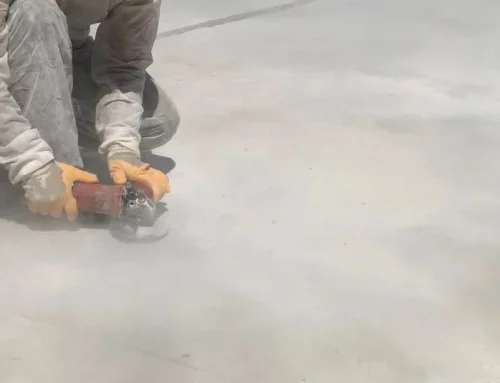
Proper preparation is one of the most important factors in a durable resurfacing job. Before installing an overlay, the contractor may need to remove dirt, oil, loose material, old coatings, or other substances that interfere with bonding.
- Preparation Methods: Depending on the resurfacing system, preparation may involve grinding, shot blasting, or other methods that create the required surface profile.
- Moisture Requirements: The concrete must also meet the material manufacturer's moisture and surface-condition requirements. Some cement-based systems call for a saturated-surface-dry condition, while other products require different moisture limits.
There is no single preparation method suitable for every overlay. Ask your contractor to explain which method will be used and why. Not following these steps can increase the risk of poor adhesion, cracking, or delamination.
Common Concrete Resurfacing Contractor Scams and Warning Signs
Even after finding a company with good reviews, you should understand the warning signs that may indicate an unreliable contractor. Not every unusual payment request or discount is a scam. However, certain practices deserve closer attention before you commit your money.
1. Demanding Large Upfront Payments Without Clear Terms
Some contractors request deposits to schedule work or purchase materials. That alone does not indicate dishonesty. The concern arises when a company demands a large payment without providing a detailed contract, payment schedule, or explanation of how the funds will be used.
Before paying, ask:
- What does the deposit cover?
- When will work begin?
- What payments are due at each stage?
- What happens if the project is canceled or delayed?
- Will you receive a written receipt?
Florida has specific legal requirements that may apply to deposits and construction contracts, depending on the work involved. Avoid relying on a universal deposit percentage. Instead, review the agreement and confirm which rules apply to your project.
2. Making Verbal Promises That Never Appear in the Contract
Imagine discussing a decorative finish for your patio. During the consultation, the contractor agrees to include a particular texture, color, or protective sealer. When the work begins, you discover those details were never included in the written estimate. You may then be asked to pay extra.
To avoid this situation, make sure the contract clearly defines the agreed scope, materials, finishes, and any additional services. If changes are made, request written confirmation before approving them. Do not rely on verbal assurances for important project details.
3. Using Special Discounts to Pressure You
Promotional pricing is common in home improvement services. A legitimate company may offer seasonal discounts or reduced rates for certain projects.
The warning sign is pressure to sign immediately without enough time to review the estimate, verify credentials, or compare options. Be cautious when a contractor insists that an unusually attractive offer will disappear unless you pay right away. You should have a reasonable opportunity to understand the agreement before making a financial commitment.
4. Offering Prices That Seem Too Good to Be True
A low estimate is not automatically a scam. However, a price far below competing proposals deserves further investigation. The difference may involve less extensive preparation, lower-cost materials, excluded repairs, or a smaller scope of work.
Ask the company to explain how it arrived at its price. If a contractor cannot clearly describe the resurfacing process, material specifications, or preparation methods, reconsider the proposal.
The goal is not to choose the most expensive company. It is to understand what you are paying for and whether the work is appropriate for your concrete.
5. Ignoring Permit Requirements
Not every concrete resurfacing project requires a permit. Requirements may differ depending on your Florida municipality, the type of property, and whether the work involves structural changes, drainage modifications, or other regulated improvements.
However, a contractor who dismisses permit questions without checking the applicable rules may be overlooking an important responsibility. Ask whether permits are required for your project and who will obtain them. If permits apply, confirm the process with the local building department and keep copies of relevant documents.
Questions to Ask Before Hiring a Concrete Resurfacing Contractor
Once you have reviewed estimates and credentials, use a consistent set of questions to compare your remaining options. You do not need to understand every technical detail. You need answers that are clear enough to explain how the work will be completed.
Questions about experience and qualifications
- Have you completed resurfacing projects similar to mine?
- Can you provide recent references or project photos?
- What insurance coverage do you carry?
- Are any licenses or permits required for this work?
Questions about the resurfacing process
- Is my existing slab suitable for resurfacing?
- How will you address cracks, stains, or damaged areas?
- What surface preparation methods will you use?
- How will you evaluate moisture and drainage?
- What resurfacing system do you recommend, and why?
Questions about cost and long-term performance
- What is included in the written estimate?
- What could cause the final cost to change?
- How long will installation and curing take?
- What maintenance will the finished surface need?
- What do your warranty terms cover, and what is excluded?
A skilled contractor should be willing to discuss these questions without making unrealistic guarantees. Pay particular attention to how clearly the company explains limitations. For example, if your concrete has active movement or ongoing moisture intrusion, a responsible contractor should address those concerns rather than promise that an overlay will permanently hide them.
How Florida's Climate Affects Your Contractor Choice
Florida's climate creates conditions that make proper evaluation and material selection especially important. Heat, humidity, frequent rainfall, and moisture moving through concrete can influence installation and long-term performance. A contractor familiar with local conditions should account for these factors before recommending a resurfacing method.
Moisture Problems Can Affect Overlay Adhesion
Concrete may look dry on the surface while still containing moisture. Ground moisture, poor drainage, irrigation overspray, and recent rainfall can affect a slab's condition.
When excessive moisture or vapor moves through concrete, certain coatings and overlays may develop adhesion problems, blistering, or other failures. This does not mean every Florida slab requires the same moisture test. The evaluation should match the resurfacing material, site conditions, and manufacturer's installation requirements.
Ask how the company determines whether your concrete is ready for installation.
Drainage Matters for Driveways, Patios, and Pool Decks
Standing water can create ongoing problems even after a surface receives a new finish. If your driveway collects water near the garage or your patio slopes toward the house, resurfacing alone may not correct the underlying drainage issue.
A qualified contractor should inspect the existing slope and discuss whether repairs or drainage improvements are necessary. For pool decks and walkways, texture also matters. A finish that looks smooth and attractive may not provide the slip resistance needed around frequently wet areas.
Ask about suitable textures, coatings, and maintenance requirements before selecting a decorative finish.
Proper Curing and Weather Planning Protect the Finished Surface
Florida's heat and sudden rainstorms can complicate resurfacing schedules. Some cement-based overlays require controlled curing conditions. Other systems have specific temperature, humidity, and moisture limits during application.
Your chosen contractor should follow the manufacturer's instructions and account for the weather forecast. Ask when you can safely walk on the surface, move furniture back onto a patio, or park vehicles on a resurfaced driveway. These timelines depend on the product, application conditions, and intended use.
A contractor who gives every project the same curing schedule without considering the material may be overlooking important differences.
Make a Confident Decision Before Resurfacing Your Concrete
Choosing the right contractor takes more than comparing prices or finding the company with the most attractive project photos. You need to know whether your concrete is suitable for resurfacing, how the surface will be prepared, what materials will be used, and which protections are included in your agreement.
Take time to review previous work, verify credentials, check references, and compare detailed estimates. You should also feel comfortable asking questions about moisture, cracks, drainage, warranties, and future maintenance.
If your existing concrete is structurally sound, resurfacing may help improve its appearance and extend its useful life without the demolition and expense of a new pour. But when the slab has serious underlying damage, repair or replacement may be the better investment.
About Creative Resurfacing Solutions
Creative Resurfacing Solutions helps Florida property owners explore concrete resurfacing options for driveways, patios, pool decks, and other concrete surfaces.
If you are considering a project, contact Creative Resurfacing Solutions to request an estimate and discuss which approach makes sense for your property's condition, appearance goals, and budget.
Frequently Asked Questions
How do I know if a concrete resurfacing contractor is reliable?
Check the company's experience, previous projects, customer reviews, references, and applicable credentials. Request proof of insurance and a detailed written estimate. A reliable contractor should inspect your concrete, explain the recommended preparation methods, and discuss potential limitations before starting work.
Is it cheaper to resurface concrete or replace it?
Resurfacing is often less expensive than full replacement because it can preserve the existing concrete slab and reduce demolition, disposal, and new concrete costs. However, the savings depend on the slab's condition, required repairs, and selected finish. Severely damaged or unstable concrete may need replacement.
Can damaged concrete be resurfaced?
Some surface damage, including minor wear, staining, and certain shallow cracks, can be addressed before resurfacing. However, deep structural cracks, major settlement, widespread deterioration, or unresolved moisture problems may require more extensive repairs or replacement. The slab should be evaluated before an overlay is recommended.
Should I get multiple estimates for concrete resurfacing?
Yes. Obtaining detailed written estimates from at least three qualified contractors, when available, can help you compare prices, preparation methods, materials, and warranty terms. Ask each company similar questions so you can compare the scope of work rather than focusing only on the final price.
Does concrete resurfacing require a permit in Florida?
Permit requirements depend on the municipality and scope of work. Some decorative resurfacing projects may not require permits, while projects involving structural repairs, drainage changes, or other regulated work may require approval. Confirm the requirements with your local building department before starting.
What should a concrete resurfacing warranty cover?
Ask whether the warranty covers workmanship, installation-related defects, and applicable material issues. Review its duration, exclusions, maintenance requirements, and procedures for requesting repairs. Material warranties and contractor workmanship warranties may be separate, so make sure you understand both before signing.
For homeowners evaluating local contractors, concrete resurfacing services in St. Petersburg offer a practical starting point for comparing durable solutions.