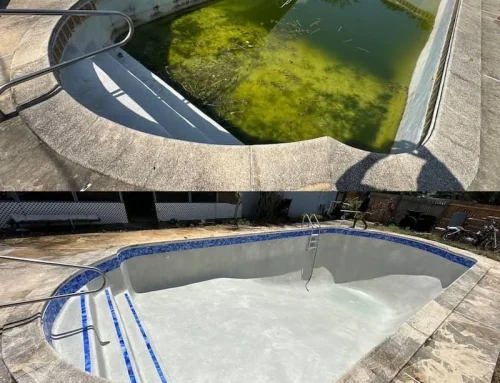
It seems overwhelming with so much conflicting information online about pool resurfacing. It’s hard to know what to believe because you read one article tells you to wait. Another says to replace everything. So you hold off, unsure what’s right. Meanwhile, the pool surface keeps getting rough, stains set in deeper, and maintenance costs start adding up. The longer the delay, the worse it gets.
In this article, we’ll discuss the usual tales that you, as homeowners, still believe. You’ll gain learning what actually matters, from materials to timing, so you can avoid wasting money on the wrong fix. The goal here is simple, and that is to help you decide with clarity and confidence.
What Pool Resurfacing Really Is (Quick Facts)
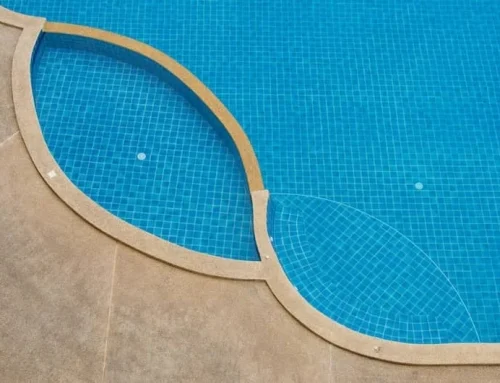
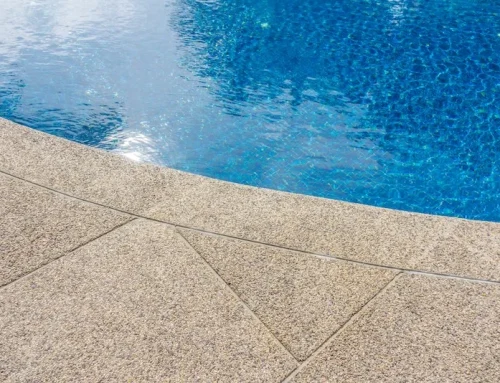
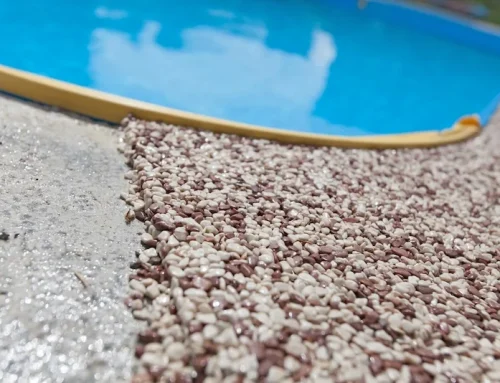
Before getting into the myths, let’s clear up what pool resurfacing actually means. Many of you might think it’s just to make the pool look better. But actually it’s more than that. Resurfacing gives your pool surface a new layer. Whether it’s plaster, pebble, quartz, or tile. This brings back that smooth texture, slows algae growth, and keeps the pool shell from quick damage.
What resurfacing renews, and what it cannot fix
Resurfacing helps fix surface wear, such as stains, loose plaster, or rough areas that feel rough to the touch. It can also cover small cracks caused by temperature changes or water chemistry issues. But it won’t fix deeper problems, such as structural cracks or leaks. Those need to be addressed before anything else. If not, the new surface fails early and costs more to redo.
Pool types resurfacing applies to (concrete, fiberglass, vinyl)
Pool resurfacing works for most pool types, including concrete, fiberglass, and vinyl. Each type uses different materials and methods. Concrete pools usually get plaster or pebble finishes. Fiberglass pools need gel coat repair. Vinyl liners are replaced entirely when worn or torn.
Why surface preparation matters more than the finish itself
The answer is that a good resurfacing job starts with how well the surface is prepared. Skipping prep leads to poor bonding. That’s when new plaster or tile starts lifting or flaking within months. Clean surfaces, the right tools, and balanced water chemistry matter more than just picking the “best” finish.
Myth #1: “Resurfacing Is Just Cosmetic”
A lot of pool owners still think resurfacing is all about looks. If the pool holds water, it might seem okay to delay it. But here’s where that belief falls short. As the plaster surface wears down, it gets rough, starts absorbing more chemicals, and invites algae. You’ll notice the water gets harder to balance. Even with proper water chemistry, it won’t stay clear for long.
Resurfacing isn’t just for visual appeal. It brings back a smooth surface that makes your pool easier to maintain and safer to swim in.
Here’s what it really does:
-
- Seals worn or porous areas that trap algae
-
- Helps lower chemical use
-
- Reduces long-term maintenance
-
- Extends the life of the pool surface
Myth #2: “DIY Pool Resurfacing Is Just as Good as Hiring a Pro”
Some people think resurfacing the pool themselves will save money. It may be as simple as buying the materials, following a video, and applying a new finish. But that belief set aside what matters most: surface prep and proper technique. DIY jobs often miss hidden damage or apply finishes too thin. That’s when problems show up early.
Professionals don’t just apply plaster. They inspect the pool, prep the surface correctly, and install the new layer with the right tools and timing.
Here’s what professional resurfacing avoids:
-
- Poor adhesion from unclean or uneven prep
-
- Premature cracking or peeling
-
- Higher maintenance caused by uneven coverage
-
- Missed repairs that turn into costly problems later
When done correctly, professional resurfacing can cut future maintenance by almost half.
Myth #3: “Any Crack Means the Pool Is Structurally Failing”
Many of you, as pool owners, panic when you see cracks. You assume the entire pool is falling apart underneath. But most cracks form on the surface. These are caused by sun exposure, age, or unbalanced water chemistry. That doesn’t always mean there’s a structural issue.
Being able to tell the difference saves time and money. Surface cracks are usually sealed during resurfacing. Deeper cracks that shift or leak need a closer look before anything is done.
Here’s how to tell the difference:
-
- Hairline cracks in plaster are common and usually not serious.
-
- Deep cracks that grow or widen may point to structural problems.
-
- Water loss near cracks needs inspection before resurfacing.
-
- Resurfacing will not fix leaks from plumbing or rusted rebar.
If you’re not sure, get a professional to check it before you start resurfacing.
Myth #4: “It’s Too Late to Save an Old Pool”
The older pool can’t be resurfaced. That might probably be what you believe. Relying on age alone means the pool is beyond repair. But that’s not always the case. Most concrete pools can still be resurfaced, even if they’re decades old. As long as the structure is stable, the surface can be renewed.
Resurfacing an old pool not only improves its appearance but also restores its function and safety.
What older pools need:
-
- A full inspection before any work begins
-
- Proper prep to remove worn finishes or stains
-
- A resurfacing crew with experience on aging surfaces
-
- Material choices that suit the existing pool condition
Myth #5: “All Pool Finishes Last About the Same”
Many people think all pool finishes wear out at the same rate, but that’s not the case. Some finishes last longer, while others wear out faster depending on water chemistry, how often the pool is used, and how well the surface was prepared.
Here’s how they compare:
-
- Standard plaster lasts around 7 to 10 years.
-
- Quartz finishes last about 10 to 15 years.
-
- Pebble surfaces can last 15 to 20 years or more.
-
- Tile, like glass tile or waterline tile, can outlast all of them with proper care.
The best finish depends on how old the pool is, how often it’s used, and how much maintenance you’re willing to do. A good finish starts with the right plan.
Myth #6: “Resurfacing Is Always Expensive”
Delaying a resurface is often more expensive than the project itself. But in most cases, resurfacing is far cheaper than you waiting for the damage to get worse or replacing the pool entirely. The truth is, resurfacing costs depend on the material, pool size, and the condition of the surface.
Here’s a quick cost range by material:
|
Resurfacing Material |
Average Cost (per sq ft) |
|
Standard Plaster |
$4 to $7 |
|
Quartz Finish |
$5 to $10 |
|
Pebble Finish |
$7 to $12 |
|
Glass Tile (Premium) |
$15 to $30 |
It’s important to resurface your swimming pool early. Doing so can prevent more serious damage and help you avoid spending thousands on repairs later.
Myth #7: “Patching Is a Long-Term Fix”
Most pool owners try to stretch the life of their surface by patching small spots. It feels like a quick fix. But patching is only meant to buy time. It doesn’t solve the underlying wear or restore your pool’s protective layer.
What patching fails to fix:
-
- Widespread surface breakdown
-
- Pool paint that keeps flaking off
-
- Areas with chemical imbalance or algae growth
-
- Cracks that keep reopening
Patching might put off the need for resurfacing, but it won’t keep the surface from getting worse as time goes on.
Myth #8: “Resurfacing Takes Forever”
You might think resurfacing drags on for weeks, leaving your pool unusable for too long. But actually it doesn’t. A resurfacing project usually takes about 5 to 14 days from start to finish. That includes draining the water, surface prep, applying the new finish, and letting it cure.
What affects the timeline:
-
- Pool size and surface condition
-
- The material used, like plaster or pebble
-
- Weather during the curing process
-
- Any extra repairs that come up before installation
Start early to avoid delays. With the right crew, the pool is ready faster than most expect.
Clear Signs It’s Time to Resurface Your Pool
Sometimes the changes are subtle. You might notice your kids’ toes are sore after swimming, or your salt system is working overtime. These are the “quiet” warnings that your finish has reached the end of its life.
Watch for these primary red flags:
-
- “Chalking”: If you rub the wall and a cloud of white dust comes off, the plaster is dissolving.
-
- “Spalling”: Small pieces of the surface are flaking off like an old sunburn.
-
- Sore Feet: The floor has become so abrasive it’s uncomfortable to walk on.
-
- Stubborn Algae: You have “Green Water” even though your chemical levels are perfect.
When a few of these start showing, it’s usually time to resurface before the damage gets worse.
Stop the Guesswork. Get the Right Pool Resurfacing Plan
A lot of pool owners waste time chasing the wrong fixes. One myth leads to another, and by the time the surface starts falling apart, the repairs cost way more than they should have. Resurfacing isn’t just about looks. It’s about timing, prep, and using the right materials for the job.
If the pool’s starting to feel off, like rough spots, stains, water hard to balance, it’s probably not too early. It’s the right time to check.
Creative Resurfacing Solutions works with homeowners across Florida to figure out what the pool actually needs. Nothing extra. Just the fix that lasts.