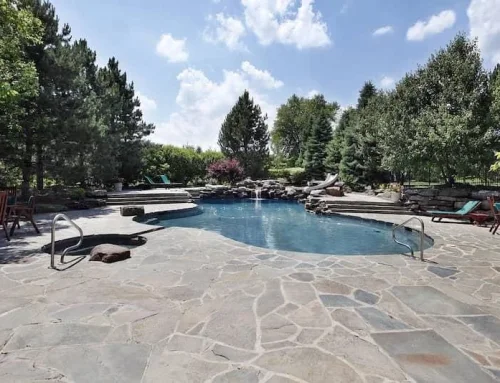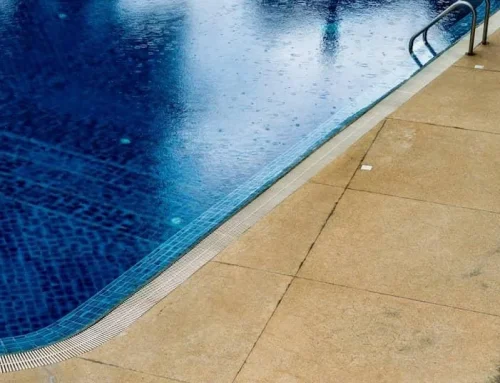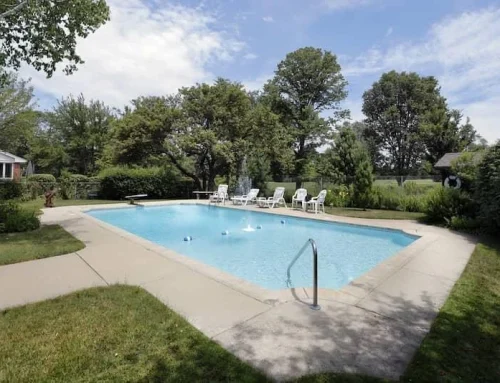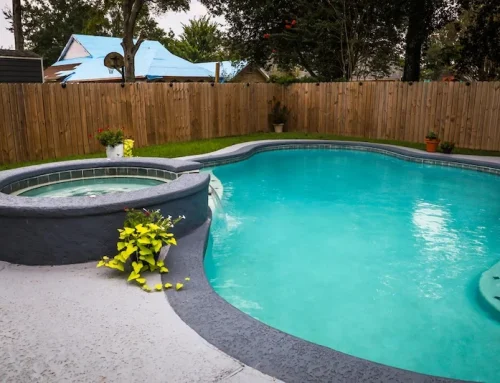
A pool deck does more than frame your swimming pool. It shapes the first impression of your outdoor living space, helps protect your family from slips and trips, and ties together everything from landscaping to outdoor kitchens. Once the surface starts fading, cracking, or feeling uncomfortable under bare feet, every season outdoors becomes a reminder that something needs attention.
The challenge is deciding how much you should spend. One contractor may quote a few thousand dollars, while another recommends a full replacement that costs several times more. Online estimates rarely explain why prices vary so dramatically, leaving you wondering whether you're paying for necessary work or upgrades you don't actually need.
Florida makes that decision even more complicated. Daily UV exposure, high humidity, frequent rain, pool chemicals, and heavy summer use place far more stress on outdoor concrete than many homeowners realize. Two residential pool decks that look nearly identical can require completely different repairs once preparation begins.
This guide explains what drives pool deck resurfacing cost, how experienced contractors calculate estimates, which hidden costs surprise homeowners most often, and when resurfacing makes better financial sense than replacing your entire pool deck. By the end, you'll know how to compare estimates confidently and invest in a solution that protects both your property and your budget.
How much is pool deck resurfacing cost in Florida?
The average pool deck resurfacing cost in Florida ranges between $3,000 and $12,000, while most resurfacing work falls between $3 and $15 per square foot depending on your existing concrete conditions, the material selected, and the amount of surface preparation required. Smaller repair projects typically range from $1,600 to $6,000, whereas a complete pool deck replacement often starts around $10 to $20 per square foot.
These numbers provide a helpful starting point, but they rarely tell the full story. A decorative overlay installed over a well-maintained slab requires far less labor than restoring an older concrete pool deck with years of neglected cracking, moisture intrusion, or failing coatings. Two projects with the same deck size can differ by thousands of dollars because one requires extensive preparation before the first finish coat is applied.
Florida's climate also shifts pricing in ways national averages cannot. In areas like Orlando, Sarasota, Tampa, and Fort Myers, contractors often recommend products designed for stronger UV stability, improved slip resistance, and better performance against chlorinated splash water. Those systems may cost more initially, but they generally deliver longer service life under Florida conditions.
Florida Pool Deck Cost Snapshot
|
Project Type |
Typical Florida Cost |
|
Minor repairs |
$1,600–$6,000 |
|
Basic resurfacing |
$3,000–$6,000 |
|
Decorative resurfacing |
$6,000–$9,000 |
|
Premium stamped concrete overlay |
$9,000–$12,000+ |
|
Complete replacement |
$10–$20+ per square foot |
Remember that these figures represent typical residential projects rather than guaranteed prices. Your final estimate depends on what your contractor discovers during the inspection, not simply the visible finish.
When Does a Pool Deck Become Too Worn to Ignore?
A worn surface is more than a cosmetic issue. It often signals that your existing deck is no longer protecting the concrete beneath it as it should. Addressing these problems early usually gives you more resurfacing options and keeps repair costs manageable.
Many homeowners postpone repairs because the damage seems minor. A few hairline cracks or faded color may not appear urgent. After another Florida summer, however, moisture works deeper into the slab, sunlight weakens aging coatings, and small defects become larger repairs.
Around Central Florida, it's common to see decks that receive full afternoon sun develop faded finishes and rough textures long before the underlying concrete reaches the end of its structural life. Along coastal communities such as Sarasota and Fort Myers, airborne salt and constant humidity can accelerate coating wear even faster. Neither situation automatically means replacement is necessary, but waiting often increases preparation work.
Signs You Can Usually Resurface
Most homeowners remain good candidates for deck resurfacing when the concrete underneath is still structurally sound.
Common indicators include:
-
- Surface discoloration or fading
-
- Minor chips and shallow cracking
-
- Worn texture from years of foot traffic
-
- Slippery wet surfaces
-
- Surface stains caused by pool chemicals
-
- Higher surface temperature caused by aging finishes
-
- Cosmetic wear that affects curb appeal
These conditions generally affect only the upper layer of the slab, making resurfacing a practical and cost-effective solution.
Signs Replacement May Be Necessary
Some problems extend beyond the finish and into the structural concrete.
Warning signs include:
-
- Deep structural cracks that continue widening
-
- Significant settling or uneven slabs
-
- Persistent standing water caused by poor drainage
-
- Severe movement around expansion joints
-
- Repeated coating failure after previous repairs
-
- Large sections of deteriorated existing slab
In these situations, resurfacing may simply cover a deeper problem instead of solving it. A qualified inspection determines whether repair, resurfacing, or replacement delivers the best long-term value, especially when the damage is serious, widespread, or structural.
Understanding the condition of your deck is only the first step. The next question most homeowners ask is why one estimate comes back several thousand dollars higher than another, even when both contractors are looking at the same pool area. The answer usually lies beneath the surface rather than on top of it.
What Actually Determines Your Final Resurfacing Price?
Your estimate depends on far more than deck size. The biggest cost drivers are the condition of your existing concrete, the amount of prep work required, your material selection, and Florida's climate. Two pool decks with the same dimensions can receive very different estimates because the work beneath the finish is rarely identical.
Many homeowners compare proposals by looking only at the final price. Experienced contractors evaluate everything that must happen before the new surface is installed. Proper preparation often determines whether a resurfacing system lasts well over a decade or begins failing after only a few seasons.
Across Florida, it's common to inspect worn-out pool decks that appear repairable until testing begins. Loose coatings, trapped moisture, and deteriorated concrete often remain hidden until preparation starts.
The biggest cost drivers include:
-
- Condition of the existing slab
-
- Amount of surface preparation
-
- Material selection
-
- Moisture and drainage issues
-
- Previous coatings that require removal
-
- Local labor and climate conditions
Understanding these variables helps you compare estimates more confidently. A higher proposal may include essential work another contractor has overlooked.
The Surface Preparation section also benefits from the same treatment:
Surface Preparation Often Determines the Final Cost
Most homeowners notice the decorative finish first. Contractors pay the closest attention to what happens underneath it.
Preparation commonly includes:
-
- Power washing away dirt, algae, and chemical residue.
-
- Grinding the surface for proper adhesion
-
- Repairing cracks and damaged areas
-
- Removing failed coatings
-
- Leveling uneven sections
-
- Cleaning around pool equipment and expansion joints
Depending on the condition of the deck, preparation alone may add $2 to $6 per square foot. While that increases the initial investment, it dramatically improves long-term durability.
A common mistake is resurfacing over existing paint to reduce costs. The finish may look great initially, but poor adhesion often leads to peeling within just a few years. Proper preparation protects the lifespan of the entire system. If you're wondering why some Florida coatings begin blistering or delaminating long before expected, read our guide on Why Florida Pool Deck Resurfacing Fails.
Average Pool Deck Resurfacing Costs by Material
Not every resurfacing material delivers the same value. The best choice depends on your budget, the condition of your existing deck, the amount of heavy foot traffic it receives, and how much maintenance you're willing to perform over the coming years.
Many homeowners naturally compare price first. Experienced contractors look beyond the initial investment and evaluate durability, comfort, maintenance requirements, and performance under Florida weather. A coating that costs less today may require recoating years earlier than a premium system, making it more expensive over its lifetime.
Throughout Florida, material selection often changes based on climate. A home in inland Orlando experiences different environmental stress than a property near Sarasota or Fort Myers, where higher humidity and salt exposure place additional demands on outdoor finishes.
The goal is finding the right balance between cost, longevity, safety, and appearance rather than simply choosing the least expensive option.
Pool Deck Resurfacing Material Comparison
|
Material |
Typical Installed Cost |
Expected Lifespan |
Best Advantages |
Considerations |
|
Acrylic spray texture |
$4–$7 per square foot |
5–8 years |
Affordable, cooler underfoot, excellent slip resistance |
Requires periodic recoating |
|
Cementitious overlay |
$5–$9 per square foot |
10–14 years |
Durable and natural appearance |
May require sealing depending on finish |
|
Stamped concrete overlay |
$8–$15 per square foot |
10–20 years |
Decorative appearance that resembles natural stone |
Higher installation cost |
|
Premium decorative overlays |
$12–$18+ per square foot |
15–25 years |
Custom textures and colors |
Premium pricing |
|
Polyaspartic system |
Varies, typically premium pricing |
10–15 years |
Outstanding UV stability and chemical resistance |
Best installed by experienced contractors |
|
New pavers |
$10–$25+ per square foot |
20–30+ years |
Individual pieces are repairable |
Highest initial investment |
Every material has a place. The right answer depends on how you use your outdoor space rather than chasing the newest product on the market.
Which Material Fits Your Priorities?
If your primary concern is staying within budget, an acrylic coating often provides one of the best values. It delivers attractive appearance, improved traction, and comfortable walking surfaces without requiring the investment of premium decorative systems.
If long-term durability ranks highest, cementitious systems and premium overlays typically outperform thinner coatings. Many homeowners planning to stay in their premises for years prefer paying slightly more upfront to reduce future maintenance.
If appearance matters most, stamped concrete and decorative overlay systems create the look of natural stone without the cost of removing and rebuilding the entire slab. They can dramatically transform an aging backyard oasis while preserving structurally sound concrete underneath.
For homeowners concerned about heat, cool deck finishes remain one of the most well-known choices throughout Florida. Many systems reduce surface temperature by 10 to 30 degrees, making the deck area noticeably more comfortable during summer afternoons.
If you're comparing finishes in greater detail, our guide to the Best Pool Deck Materials in Florida explores which systems perform best under different climate conditions and homeowner priorities.
Real Florida Cost Examples by Deck Size
The size of your project influences your investment, but larger decks don't always cost proportionally more. As projects increase in size, contractors often become more efficient with labor, equipment, and material usage, which may lessen the overall cost per square foot.
At the same time, larger projects usually require more detailed planning, additional preparation, and longer installation schedules. The condition of the slab remains just as important as its dimensions.
The examples below represent realistic Florida pricing for professionally installed resurfacing systems. Actual estimates vary depending on preparation requirements, finish selection, accessibility, and local labor conditions.
Estimated Resurfacing Costs by Deck Size
|
Approximate Deck Size |
Typical Project Range |
|
300 square feet |
$2,000–$4,500 |
|
500 square feet |
$3,000–$6,500 |
|
800 square feet |
$5,000–$9,500 |
|
1,200 square feet |
$8,000–$12,000+ |
These examples assume the existing slab remains structurally sound. Projects requiring extensive repairs, coating removal, or drainage corrections naturally fall toward the higher end of each range.
A common misconception is that adding decorative finishes automatically doubles the budget. In reality, choosing a basic texture and color often keeps costs under control while still providing a dramatic visual improvement over aging concrete.
Repair vs. Resurfacing vs. Full Replacement
One of the most important financial decisions is determining whether your deck actually needs replacement. Many homeowners assume visible cracks automatically mean demolition, but that isn't always the case.
If the concrete remains structurally stable, resurfacing often restores appearance, improves safety, and extends service life without the expense of removing the slab. Complete replacement generally becomes necessary only after significant structural failure or severe movement.
Here's how the three options compare.
|
Option |
Typical Cost |
Timeline |
Best For |
|
Localized repairs |
Lowest investment |
1–2 days |
Minor isolated damage |
|
Resurfacing |
Moderate investment |
2–4 days |
Structurally sound concrete with cosmetic wear |
|
Full deck replacement |
Highest investment |
1–2 weeks |
Severe settlement, structural failure, or widespread deterioration |
In many situations, resurfacing costs 40% to 60% less than replacement while delivering a completely refreshed appearance.
If your deck has widespread structural movement, resurfacing may only delay larger repairs. On the other hand, many homeowners are surprised to learn that faded coatings, worn textures, and shallow cracks rarely justify complete demolition.
Choosing the appropriate solution protects both your budget and your property's long-term value.
Hidden Costs That Can Increase Your Estimate
Most homeowners expect to pay for materials and labor. The largest surprises usually come from work that cannot be fully evaluated until preparation begins.
These hidden costs aren't unnecessary upsells. They're often essential repairs that determine whether your new finish performs as expected.
Potential additions include:
-
- Removal of failed coatings.
-
- Repairing deep structural cracks.
-
- Drainage corrections that prevent standing water.
-
- Rebuilding damaged expansion joints.
-
- Moisture mitigation beneath existing coatings.
-
- Repairing deteriorated concrete around coping.
-
- Decorative upgrades and custom textures.
-
- Additional sealing requirements.
Another factor many homeowners overlook is timing. During peak pool season, contractor schedules fill quickly across much of Florida. Planning resurfacing during fall or winter may provide greater scheduling flexibility and, in some cases, seasonal pricing advantages.
Avoiding these hidden costs isn't always possible. Identifying them early allows you to budget realistically and compare contractor proposals more accurately.
DIY vs. Professional Installation
Many resurfacing products advertise themselves as suitable for DIY projects. While some homeowners successfully complete small repairs, resurfacing an entire concrete pool deck involves much more than applying a coating.
Professional installation begins with evaluating concrete condition, moisture, drainage, surface profile, and product compatibility before any finish is applied.
A typical comparison looks like this:
|
DIY |
Professional Installation |
|
Lower upfront cost |
Higher initial investment |
|
Limited equipment |
Commercial preparation equipment |
|
Greater risk of adhesion problems |
Proper surface testing and preparation |
|
Product warranties may be limited |
Manufacturer-supported installation methods |
|
Appearance depends on homeowner experience |
Consistent decorative finish and long-term durability |
We've inspected numerous decks where homeowners invested significant time and money into resurfacing kits, only to experience peeling after one or two Florida summers because the preparation stage was underestimated.
Professionally installed systems aren't simply about appearance. They reduce the risk of premature failure, improve slip resistance, and provide a finish designed to withstand years of constant exposure to Florida weather.
The next step isn't choosing a material. It's understanding how experienced contractors develop accurate estimates and how you can identify proposals that deliver genuine long-term value rather than the lowest initial price.
How Professional Contractors Build an Accurate Estimate
A reliable estimate starts long before pricing is discussed. An experienced contractor first determines whether your existing concrete is suitable for resurfacing, identifies hidden problems, and recommends a system that matches both your budget and Florida's climate.
Some estimates appear lower simply because they skip important inspection steps. Others include work that isn't immediately visible but significantly improves the lifespan of the finished surface. Knowing how professionals evaluate a project helps you compare proposals with confidence instead of choosing solely by price.
Across Florida, we've seen homeowners receive dramatically different estimates for the same pool deck. The difference often isn't the coating itself. It's the level of investigation performed before the estimate is written.
A thorough evaluation protects your investment by reducing unexpected costs after construction begins.
A Professional Estimate Typically Follows These Steps
1. Initial Site Inspection
Every pool deck project begins with a walk-through of the property.
The contractor evaluates:
-
- Overall condition of the existing slab
-
- Drainage around the pool area
-
- Existing coatings
-
- Signs of settlement or movement
-
- Areas affected by constant exposure to moisture
This inspection establishes whether resurfacing is appropriate or whether full replacement should be considered.
2. Surface Testing
Appearance alone rarely tells the complete story.
Professionals may perform:
-
- Moisture testing
-
- Sounding or tap testing for hollow concrete
-
- Adhesion testing on older coatings
-
- Crack evaluation
-
- Surface profile inspection
One deck may appear perfectly healthy until tap testing reveals widespread delamination beneath the finish. Finding those problems before installation prevents costly failures later.
3. Determining Preparation Requirements
Preparation is customized for every project.
The contractor determines whether the job requires:
-
- Grinding
-
- Power washing
-
- Coating removal
-
- Crack repairs
-
- Joint rebuilding
-
- Concrete patching
-
- Additional leveling
These decisions directly affect labor hours, material quantities, and project duration.
4. Selecting the Right Resurfacing System
Not every homeowner needs the same finish.
The recommendation depends on factors such as:
-
- Budget
-
- Desired appearance
-
- Sun exposure
-
- Maintenance expectations
-
- Family lifestyle
-
- Long-term ownership plans
For example, a family with young children may prioritize non-slip surface performance, while another homeowner may focus on decorative finishes that increase curb appeal before selling the property.
5. Building the Final Proposal
A professional proposal explains where your investment goes instead of presenting only one final number.
It should clearly identify:
-
- Materials
-
- Labor
-
- Preparation
-
- Repairs
-
- Timeline
-
- Warranty coverage
Transparent estimates reduce surprises and allow you to compare contractors based on value instead of guessing what has been omitted.
What Should Every Pool Deck Proposal Include?
A detailed proposal protects both you and your contractor by clearly defining the scope of work before the project begins. It sets expectations, reduces the likelihood of unexpected costs, and makes it easier to compare estimates on equal terms.
Rather than focusing only on the final price, review what each proposal actually includes. A higher estimate may deliver better long-term value if it covers preparation and repairs that another contractor has excluded.
|
Proposal Item |
Why It Matters |
|---|---|
|
Surface cleaning and preparation |
Creates a proper bond between the new coating and the existing concrete. |
|
Crack repair procedures |
Prevents existing cracks from reflecting through the new finish over time. |
|
Existing coating removal (if needed) |
Removes weak or failing coatings that can lead to premature peeling. |
|
Drainage corrections |
Helps prevent standing water, moisture intrusion, and future coating failure. |
|
Material specifications |
Identifies the resurfacing system, finish, and products being installed. |
|
Number of finish coats |
Establishes the expected thickness, appearance, and durability of the finished surface. |
|
Sealer information |
Protects the finish from UV exposure, stains, and pool chemicals. |
|
Expansion joint repairs |
Allows the concrete to move naturally and reduces future cracking. |
|
Landscape and property protection |
Protects nearby landscaping, coping, and other surrounding features during construction. |
|
Cleanup after completion |
Confirms the contractor will leave the project site clean and ready for use. |
|
Estimated curing time |
Helps you plan when the pool deck can safely be walked on and returned to service. |
|
Written warranty |
Explains what workmanship and materials are covered after installation. |
|
Payment schedule |
Establishes clear expectations for deposits, progress payments, and final payment. |
Comparing proposals this way gives you a much clearer picture of overall value. The lowest bid isn't always the best investment if it leaves out critical preparation, repairs, or warranty coverage that help your resurfacing project last for years.
How to Keep Resurfacing Costs Under Control Without Sacrificing Quality
Reducing costs doesn't mean choosing the cheapest coating available. It means making informed decisions that maximize long-term value.
Several practical strategies help homeowners control expenses while still investing in a durable finish.
Repair Problems Early
Small cracks rarely stay small in Florida.
Addressing cosmetic wear before moisture reaches deeper into the slab usually prevents larger structural repairs later.
Choose the Right Finish for Your Needs
Premium decorative systems look impressive, but they aren't necessary for every property.
If your priority is restoring safety and appearance, an acrylic spray texture system may provide everything you need at a lower investment than premium designer finishes.
Keep Decorative Choices Practical
Intricate patterns, multiple colors, and custom borders increase labor.
If staying within budget is important, choosing simpler textures often delivers nearly the same visual improvement while keeping installation costs under control.
Schedule During Slower Seasons
Many contractors experience their busiest schedules during spring and early summer.
Scheduling work during fall or winter may provide greater flexibility and, depending on local demand, potential savings.
Resurface Instead of Replace Whenever Appropriate
One of the biggest opportunities to save money is avoiding unnecessary demolition.
If your concrete remains structurally sound, resurfacing often restores appearance for 40% to 60% less than complete replacement.
If you're exploring additional ways to reduce expenses, our guide on the Cheapest Way to Redo a Pool Deck explains where homeowners can save money without sacrificing durability.
Choosing the Right Florida Contractor Matters as Much as the Material
Even the highest-quality resurfacing products depend on proper installation. A premium coating applied over poor preparation won't perform as intended, while a well-installed mid-range system often delivers years of dependable service.
Florida's environment leaves very little margin for shortcuts. High humidity, afternoon storms, intense sunlight, and seasonal temperature changes all place continuous stress on outdoor concrete. Contractors who understand these conditions know where failures begin and how to prevent them before they become expensive repairs.
At Creative Resurfacing Solutions, every project starts with evaluating the condition of your concrete rather than recommending the same product for every homeowner. The goal is to recommend the resurfacing system that best matches your property's condition, how you use your outdoor space, and the performance you expect over the coming years. An accurate pool deck resurfacing cost estimate should reflect the true condition of your deck, the preparation required, and the materials that will deliver lasting performance—not simply the lowest bid.
Whether your home is in Orlando, Tampa, Sarasota, Fort Myers, or another Florida community, investing in experienced installation helps protect your resurfacing project long after the final coat has cured.
If you'd like to learn more about available services in your area, visit our:
-
- Pool Deck Resurfacing service page
These pages explain our process, available finishes, and what you can expect during your project.
Frequently Asked Questions
How much does pool deck resurfacing cost per square foot?
Most professionally installed resurfacing projects range from $3 to $15 per square foot. This depends on the preparation requirements, finish selection, and the condition of the existing concrete.
Is resurfacing cheaper than replacing a pool deck?
Yes. If the underlying concrete remains structurally sound, resurfacing typically costs 40% to 60% less than replacing the entire deck while delivering a refreshed appearance and improved performance.
What is usually included in a resurfacing estimate?
A quality estimate generally includes surface preparation, crack repairs, material specifications, labor, finish coats, sealing, cleanup, project timeline, and warranty information.
How long does pool deck resurfacing last?
Most professionally installed resurfacing systems last 10 to 25 years. This accounts for the material, installation quality, maintenance, and exposure to Florida weather.
Can cracked concrete be resurfaced?
Minor and moderate cracks can often be repaired before resurfacing. Structural movement or severe settlement may require partial repairs or complete replacement instead.
Which resurfacing material performs best in Florida?
The best material depends on your priorities. Acrylic texture coatings are popular for affordability and comfort underfoot, while premium decorative overlays and polyaspartic systems provide greater longevity and durability.
Does resurfacing increase home value?
A professionally resurfaced pool deck improves safety, appearance, and curb appeal, making outdoor living spaces more attractive to both homeowners and potential buyers.
When is the best time of year to resurface a pool deck?
Fall and winter are often ideal because contractor schedules may be less busy, allowing greater scheduling flexibility while preparing your outdoor space for the next pool season.