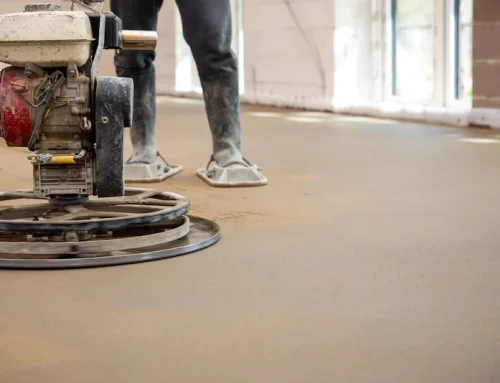
The short answer is yes. In almost every scenario, grinding is the non-negotiable first step before resurfacing concrete. It’s all about creating the specific surface profile required for a proper bond and long-term durability. Without that mechanical bite, even the most expensive overlay systems can start to peel or separate from the slab in just a few seasons.
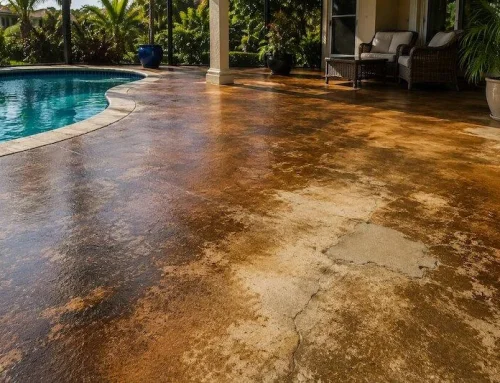
If you’re restoring a slab in Florida, that prep work becomes even more vital. In cities like Tampa, Sarasota, and Orlando, our outdoor surfaces are constantly battling humidity, irrigation overspray, old sealers, and punishing UV cycles. Many driveways and pool decks carry layers of old coatings that aren’t even visible at first glance.
Proper grinding is the only way to strip away that contamination and create the exact texture needed for a new finish to actually survive Florida’s demanding climate. This guide breaks down exactly when grinding is a MUST and how you can spot surface prep shortcuts before you sign a contract, especially if you’re searching for concrete resurfacing in Florida.
Why Surface Preparation Determines Whether Resurfacing Concrete Bonds or Fails
Look, bond strength is everything when resurfacing concrete. A decorative overlay or new concrete overlay isn’t a sticker. It won’t just “stay put” on a smooth, glassy slab. It needs a mechanical bite. That’s why proper concrete surface preparation is the make-or-break phase. The existing concrete slab must be ground to achieve the correct Concrete Surface Profile (CSP), removing old paint, embedded stains, dirt, or a failed epoxy coating that’s already breaking down.
Florida makes this even trickier. Those 3 PM Central Florida downpours drive moisture vapor pressure up through the slab. In St. Petersburg and Clearwater, salt air accelerates surface wear, while irrigation systems constantly drench patios and concrete driveways. A slab may look clean, but it can still prevent a strong bond. Without proper profiling, concrete resurfacing becomes a short-term cosmetic fix instead of a durable upgrade.
What Happens If Grinding Is Skipped?
Skipping mechanical prep isn’t just a shortcut. It’s usually where system failure begins. You might save a few hours today, but you’ll likely pay for it when one of these warning signs shows up.
The “Sheet” Effect (Delamination): Without a proper bond, the new concrete overlay never truly locks into the slab. It sits on top of the existing surface until it eventually lifts away in large sections.
Edge Curling & Moisture Bubbles: Peeling often appears first along high-traffic edges, especially on a concrete driveway resurfacing project. In Florida’s heat, trapped moisture forms blisters that push the finish off the outdoor concrete.
Rapid Cracking: Minor flaws or existing damage telegraph through quickly. Without grinding to reset the profile, resurfacing concrete becomes a cosmetic layer instead of a bonded system.
Skipping this critical step doesn’t reduce concrete resurfacing cost. It just forces you to pay for the job twice.
Is Acid Etching Enough? (The Risk of the Shortcut)
The short answer: No. Not if you want your resurfacing concrete to last more than a few seasons.
While acid etching can clean a concrete floor or garage floor, it doesn’t actually provide the mechanical bite needed for a proper bond. Think of it this way: etching lightly opens the pores, but grinding actually re-textures the slab. That distinction is everything. Most modern overlay systems aren’t looking for a chemical reaction; they’re looking for a physical grip.
In Florida, etching is particularly risky. If you live in an HOA community in Sarasota or Lakewood Ranch, your concrete driveway has likely been sealed multiple times to keep up that aesthetic appeal. Pool decks are often buried under layers of old waterproofing or stamped concrete sealers. Acid simply won’t cut through those barriers. It just sits on top.
If your slab is hiding old sealers or has minor cracked concrete, a quick acid wash won’t solve the underlying issue. To get a durable result, you need proper profiling, not just a chemical rinse.
Can You Resurface Over Sealed or Painted Concrete in Florida?
Technically, you can attempt to resurface concrete over a sealed or painted slab, but it rarely bonds as it should. Sealers are designed to repel water and stains. That same protective layer also repels overlays. If the surface is coated, the new system isn’t bonding to the concrete itself. It’s bonding to whatever coating sits on top of it.
Paint presents the same issue. It creates a barrier between the overlay and the slab. Without mechanical removal, you’re stacking one layer over another, increasing the risk of peeling or separation.
In Florida, this situation is common. Pool decks in Clearwater often carry multiple layers of waterproofing. Orlando subdivisions frequently use decorative coatings for curb appeal. Coastal communities rely on high-gloss sealers to fight salt air and sun exposure.
Grinding removes those contaminants and exposes raw concrete, creating the profile necessary for durable resurfacing concrete in Florida’s demanding climate.
When Grinding May Not Be Necessary (The Honest Answer)
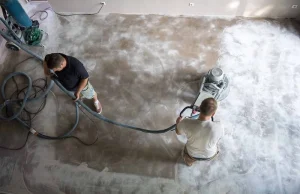
Does every slab require aggressive mechanical prep before resurfacing concrete? Technically, no. There are rare “Goldilocks” scenarios where less invasive preparation may be enough.
The Rare Ideal Slab
You might skip heavy grinding if you’re looking at a brand-new, broom-finished slab with strong natural texture. But it must be truly bare. No previous sealers, no paint, no oil contamination, and no curing compounds left behind from the original pour.
The Florida Reality Check
Here’s the catch: in Florida, clean can be misleading. Slabs that look ready often hide moisture intrusion or subtle mineral buildup from irrigation overspray. A concrete floor or garage floor may appear porous but still resist bonding.
The Verdict
Testing beats guesswork. Even when full grinding isn’t strictly required, professional evaluation ensures resurfacing concrete performs long-term. Skipping prep on a “maybe” slab isn’t worth the risk of premature failure.
Signs a Contractor Is Cutting Corners on Resurfacing Concrete
Most failures in resurfacing concrete aren’t caused by cheap materials. They’re caused by lazy prep. The problem is that once the overlay is down, you can’t see what was (or wasn’t) done to the slab beneath it. You have to look for the warning signs before the mixer starts spinning.
-
- The Vague Proposal: If their plan for proper concrete surface preparation is a simple “we’ll clean it well,” run. If a contractor doesn’t mention surface profiling, that’s a red flag. You need to hear specific terms like mechanical grind or Concrete Surface Profile (CSP). If you’re unsure what a professional prep plan should include, review this concrete resurfacing contractor guide before comparing bids.
-
- The Missing Gear: If they show up without dust-controlled grinding equipment, they aren’t prepping for a strong bond. They are just scuffing the surface.
-
- The Silent Slab: A pro will always talk about moisture testing or a primer system. If they ignore Florida’s humidity and heat cycles, you’re likely looking at peeling or bubbling in just a few seasons.
When a contractor brushes over concrete prep, it’s not efficiency. It’s risk. In Florida’s climate, prep is the only thing that decides whether your durable floor actually lasts or becomes an expensive mess to fix later.
How Professional Grinding Protects Your Investment in Florida
Professional grinding isn’t about scuffing up a slab. It’s about removing variables that cause premature failure.
Industrial planetary grinders create a uniform surface profile across the entire concrete slab, something hand tools or acid washing can’t replicate. HEPA dust extraction prevents loose debris from clogging the concrete’s pores. Moisture testing identifies vapor pressure issues before they disrupt the bond.
In Florida, that evaluation isn’t optional. Between Tampa heat, Sarasota humidity, St. Petersburg salt exposure, and Orlando rain cycles, every slab behaves differently.
At Creative Resurfacing Solutions, slabs are evaluated across Tampa, Sarasota, St. Petersburg, Orlando, and throughout Southwest Florida before any resurfacing concrete system is installed.
Because in Florida, prep decides whether the finish lasts or fails.