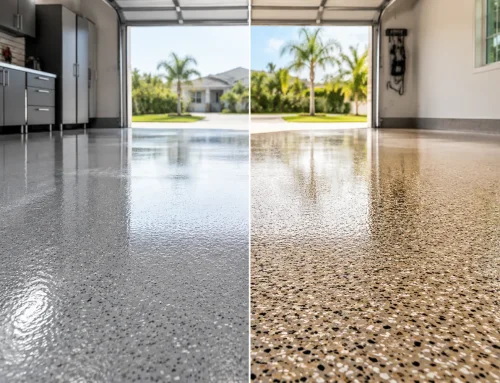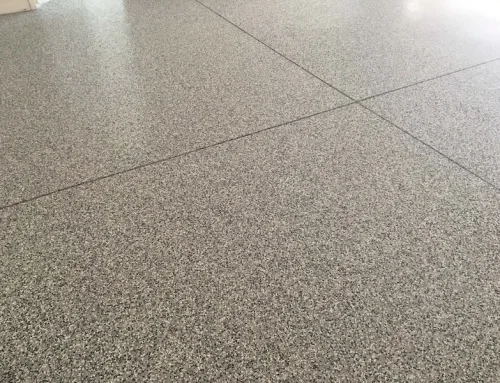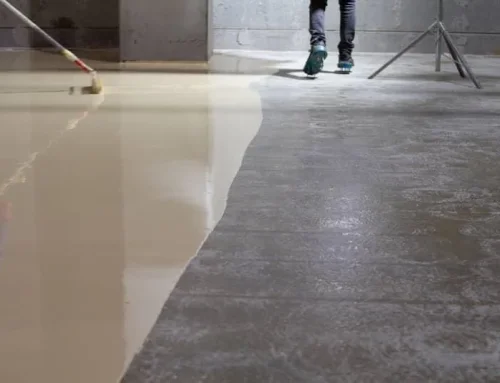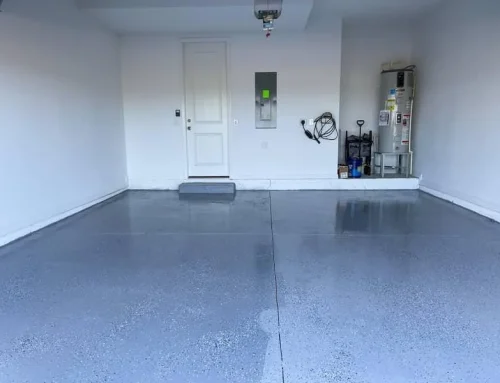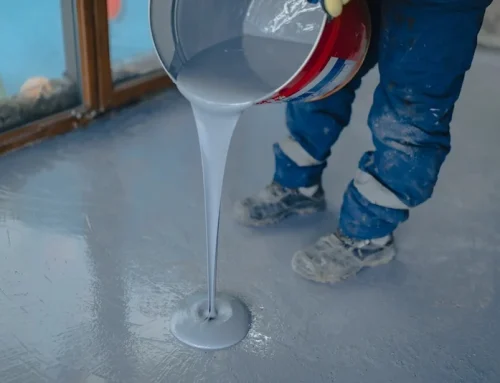
You chose an epoxy floor because you wanted a surface that could handle daily life. Cars, tools, storage bins, lawn gear, and the mess that comes with a Florida garage all end up on that floor. It should look clean without needing constant attention.
Still, the wrong cleaner can create problems fast. While cleaning epoxy floors may seem straightforward, not every household cleaner is safe for a coated surface.
Many homeowners think epoxy can handle any household product because it feels hard, smooth, and durable. The truth is more practical. An epoxy coating is tough, but it still has a finished surface that needs the right care. Strong acids, abrasive pads, heavy solvents, and residue-heavy cleaners may dull the shine, leave haze, or slowly weaken the floor coating.
In Central Florida, that matters even more. A garage in Tampa may handle road grime, humidity, and hot tire marks. A home in Winter Park may track in oak pollen, dust, and lawn debris. A Lake Nona garage may see daily traffic from bikes, golf carts, strollers, and storage racks. Your epoxy floor cleaning needs depend on how you use the space, but the wrong product can shorten the life of the finish in any home.
Key Takeaways
|
Why Cleaning Products Matter More Than Most Homeowners Realize
The cleaner you use matters because the wrong product can damage the top layer of your epoxy floor before the base coating fails.
Epoxy Floors Are Durable, Not Maintenance-Free
Your epoxy garage floor can handle normal garage use, but it still needs proper care. The coating has a smooth surface designed to resist stains, moisture, and everyday wear. That surface is what gives the floor its clean look.
If you use the wrong cleaner again and again, the finish may begin to lose its shine. You might notice:
-
- A dull area where the mop passes most often
-
- A hazy film in busy areas
-
- Small scratches that collect grime
-
- Spots that no longer rinse clean
-
- A rougher feel under your shoes
These problems often build slowly. At first, the floor only looks a little less bright. Then dirt starts sticking. Later, the coating looks older than it really is.
How Improper Cleaning Can Shorten Coating Life
Improper cleaning can shorten the life of an epoxy coating by exposing the surface to unnecessary wear.
A cleaner that is too acidic may dull the finish over time. Products that leave residue can make the floor appear cloudy or feel slippery. Abrasive pads and rough scrubbing tools can create fine scratches that gradually affect the floor’s appearance. While these issues may seem minor at first, they can impact both the look and long-term performance of the coating.
Many problems homeowners attribute to normal aging are actually the result of preventable maintenance mistakes. Using abrasive tools, harsh cleaners, or excessive amounts of cleaning chemicals can gradually wear down the finish and reduce its longevity. For additional examples of avoidable issues, see our guide on common epoxy garage floor mistakes.
What Cleaning Products Should Never Be Used When Cleaning Epoxy Floors?
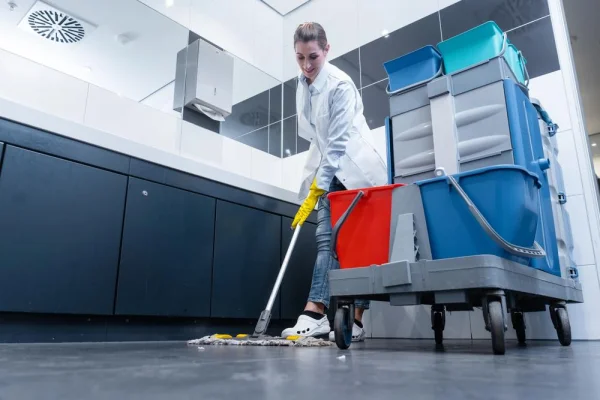
You should avoid highly acidic cleaners, abrasive powders, strong solvents, waxy soaps, and harsh scrubbing tools when cleaning epoxy floors.
These products can damage the finish, leave residue, or reduce the floor’s ability to stay clean over time. Some cause fast visible damage. Others create small changes that only become noticeable after months of regular cleaning.
1. Highly Acidic Cleaners
Highly acidic products may dull or weaken epoxy finishes when used too often or too strongly. This includes:
-
- Concentrated vinegar
-
- Strong citrus cleaners
-
- Acid-based concrete cleaners
-
- Rust removers
-
- Tile and grout acids
Many homeowners ask about epoxy floors and vinegar because vinegar is common, affordable, and often seen as a natural cleaner. Lightly diluted vinegar may not cause immediate damage in every case, but frequent use can be risky, especially on older coatings or floors with a sensitive topcoat.
The main issue is acidity. Acidic cleaners can slowly reduce shine and make the surface look flat. On a garage floor in Tampa that already deals with heat, moisture, and tire traffic, repeated acidic cleaning can speed up visible wear.
2. Abrasive Cleaners and Scrubbing Powders
Abrasive powders are a poor choice because they can scratch the surface while you clean. Avoid products such as:
-
- Scouring powders
-
- Gritty bathroom cleaners
-
- Heavy-duty abrasive paste
-
- Steel wool
-
- Rough scouring pads
These products may seem useful when you need to tackle tough stains, but they can leave fine scratches in the coating. Once those scratches build up, the floor can start trapping dirt, dust, and grime. A scratched surface also loses some of its smooth feel. Instead of wiping clean, it starts holding residue. That makes future cleaning harder.
Pro Tip: Use a soft brush, microfiber mop, or soft-bristle broom instead. Those tools help remove dirt without damaging the finish.
3. Soap-Based Cleaners That Leave Residue
Soap-based cleaners can leave a film that makes epoxy look cloudy or feel slippery. This is one of the most common mistakes in epoxy floor cleaning. Many general household soaps are made to foam. Foam feels like cleaning power, but leftover soap can dry on the surface and leave a sticky or cloudy layer.
That film can attract more dirt. It can also make the floor slick when wet. If your garage floor looks dull after mopping, the problem may not be the coating. It may be soap buildup.
Pro Tip: For general cleaning, use neutral pH cleaners or a mild cleaner approved for coated floors. Always rinse when needed so residue does not stay behind.
4. Harsh Solvents and Industrial Degreasers
Strong solvents can damage epoxy if they are used incorrectly or left on the surface too long. Be careful with harsh chemicals like:
-
- Strong solvents
-
- Solvent-based adhesive removers
-
- Heavy-duty industrial degreasers
-
- Highly concentrated ammonia-based cleaners
-
- Products not approved for coated flooring surfaces.
A garage often collects oil, tire marks, lawn chemicals, and small spills. It is tempting to grab the strongest product in the cabinet. That choice can create a bigger problem. Some solvents may soften the top layer, dull the finish, or affect the bond of the coating. If you need to spot clean a small stain, use the mildest safe product first. Then rinse the area and dry it with a paper towel or clean cloth.
Is Vinegar Safe for Epoxy Floors?
Vinecar should be used with caution because its acidity may dull epoxy finishes when used too often or too strongly. Vinegar gets recommended because it is cheap, easy to find, and familiar. You may already use it in your kitchen or bathroom. That does not mean it belongs in your garage cleaning bucket every week.
For some floors, a heavily diluted vinegar mix may not cause an immediate issue. The risk comes from repeated use, strong concentration, and poor rinsing. If the floor has an older clear coat or a more sensitive finish, vinegar can slowly reduce shine.
What to Use Instead of Vinegar
For most homes, keep it simple. Use:
-
- Warm water
-
- A microfiber mop
-
- A mild pH-neutral floor cleaner
-
- A soft brush for small spots
-
- A clean rinse when needed
You do not need aggressive products for every mess. In many cases, light cleaning with water and a safe cleaner will keep the floor in top shape. For small spills, wipe them quickly. For sticky spots, let a mild cleaner sit briefly, then gently scrub and rinse. Avoid soaking the floor for long periods.
Can Bleach, Ammonia, or Degreasers Damage Epoxy Flooring?
Bleach, ammonia, and strong degreasers can damage or dull epoxy flooring if they are too concentrated, used too often, or left sitting on the surface. Each product has a different risk.
-
- Bleach: Bleach may be useful in rare situations, but it should not be your everyday cleaner. Strong bleach can discolor certain finishes or leave the floor looking uneven. If bleach is ever used, it should be diluted, applied carefully, and rinsed well. Never mix it with ammonia or other chemicals. For normal maintenance, bleach is usually unnecessary.
-
- Ammonia: Ammonia is sometimes used in diluted form for coated floors, but it must be handled carefully. Too much ammonia can leave streaks, odor, or a dull finish. It can also be unpleasant to use in enclosed garage spaces, especially during humid Florida weather. If you use an ammonia-based cleaner, follow the product directions and avoid overuse.
-
- Degreasers: Degreasers can help with oil or vehicle grime, but stronger is not always better. A heavy-duty degreaser used in commercial kitchens, retail stores, or industrial spaces may be too aggressive for a residential garage floor if used incorrectly. Always check compatibility with epoxy coatings. For most home garages, start with a mild degreaser designed for coated floors. Use it only where needed, then rinse the area well.
How to Tell If a Cleaning Product Is Damaging Your Epoxy Floor
You can often tell a cleaner is causing damage when the floor starts looking dull, cloudy, scratched, sticky, or harder to clean. These signs are easy to miss at first. You may think the floor is just getting old. Sometimes it is a cleaning issue.
-
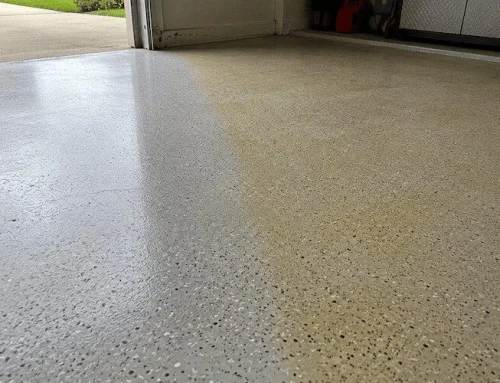
- Loss of Gloss: A dull finish is one of the first warning signs. If the floor used to reflect light but now looks flat, the product may be too harsh or leave residue. Repeated use of acidic cleaners, rough pads, or strong chemicals can reduce shine.
-
- Surface Haze: A cloudy film usually points to cleaner residue, soap buildup, or poor rinsing. If your floor looks clean while wet but hazy after it dries, your cleaner may be leaving something behind. A proper rinse can help, but heavy buildup may need a more thorough cleaning.
-
- Scratches and Rough Spots: Fine scratches often come from abrasive tools. A broom with stiff bristles, gritty pads, or dragged storage bins can mark the surface. Once scratched, the floor collects grime more easily. Use floor mats under work areas, storage shelves, and rolling equipment to minimize scratching.
-
- Stains That Keep Coming Back: If stains return after cleaning, the surface may be holding residue or dirt inside small scratches. This can happen within high-traffic areas near the garage entrance, workbench, or laundry access door. The goal is to clean without making the surface more porous or rough.
Not every appearance issue is caused by a cleaning product. If the floor is developing a yellow or amber tint rather than a cloudy film or residue buildup, UV exposure may be the cause instead. Learn more in our guide on why some epoxy floors turn yellow faster than others in Florida.
Safe Cleaning Methods for Epoxy Floors
Safe cleaning starts with removing loose debris first, then using a mild cleaner and a non-abrasive tool. Following these steps can make cleaning epoxy floors easier while helping protect the finish from unnecessary wear.
Start With Dry Debris Removal
Before you mop, remove loose dust, sand, and grit. Use a:
-
- Dust mop
-
- Microfiber mop
-
- Soft-bristle broom
-
- Vacuum with a soft floor attachment
This step matters in Central Florida because sand and outdoor debris can act like sandpaper under shoes, tires, and mop heads. A Lake Nona garage used by kids, bikes, and sports gear may collect grit quickly. Dry removal helps prevent scratches before water ever touches the floor.
Use Warm Water and a Mild Cleaner
For most routine cleaning, warm water and a mild cleaner are enough. A safe mix should clean without leaving film. Use a bucket, mop, and fresh rinse water. Avoid pouring large amounts of cleaner directly onto the floor.
A neutral-pH cleaner designed for coated floors is typically a safer choice than a general-purpose household cleaner. Always follow the manufacturer’s recommendations and rinse away any residue that remains on the surface.
Mop Without Flooding the Surface
A damp mop works better than a soaking wet one. Epoxy resists moisture, but that does not mean standing water should sit in corners, expansion joints, or low spots. Keep the mop damp, not dripping. After cleaning, allow air movement so the floor dries evenly.
For smaller spaces, a microfiber mop and bucket are usually enough. For a larger garage or shop, a low-speed floor scrubber or automatic floor scrubber may help, but only with soft pads and safe cleaning products.
Spot Clean Spills Quickly
Fast cleanup helps prevent staining. If you spill oil, fertilizer, paint, or automotive fluids, wipe the area before the material sits too long. Use a paper towel or soft cloth first. Then apply a mild cleaner if needed. Quick action protects the finish and reduces the need for stronger chemicals later.
What Is the Best Cleaning Routine for Florida Epoxy Floors?
The best routine for cleaning epoxy floors includes regular dry sweeping, mild wet cleaning as needed, and quick spill cleanup before stains settle in. Florida homes have unique cleaning challenges. Heat, humidity, rain, sand, pollen, and lawn chemicals all find their way into the garage.
For Family Garages
If your garage is used daily, plan for simple weekly care. A practical routine:
-
- Use a dust mop or soft broom once or twice a week to keep debris from building up.
- Wash the floor with a mild cleaning solution when dust, grime, or vehicle residue becomes noticeable.
- Spot clean spills right away.
- Place mats near entry points.
- Rinse away residue after deeper cleaning.
This helps keep the floor smooth, bright, and easier to maintain.
For Workshops
If your garage also functions as a workshop, the floor may be exposed to sawdust, grease, paint, tools, and frequent project-related messes. Use mats under workbenches and equipment. Sweep often. Clean spills before they dry. Avoid dragging metal stands or sharp objects across the surface.
For Coastal or High-Humidity Areas
Homes closer to the Gulf side near Tampa may deal with more humidity, salt air, and wind-blown grit. In these areas, routine debris removal matters. Grit can scratch the surface if it stays under tires, shoes, or a mop. A soft broom and mild cleaner can prevent small particles from wearing down the finish.
When Cleaning Problems Are Actually Coating Problems
Sometimes the cleaner is not the real issue because the coating may already be worn, aged, or poorly bonded. If the floor still looks dull after safe cleaning, or if stains keep absorbing into the surface, the coating may need expert assessment.
Surface Wear Versus Cleaning Residue
Cleaning residue usually sits on top of the floor. Surface wear affects the finish itself. Residue may improve after rinsing or switching cleaners. Worn coating will not fully recover with routine cleaning.
You may be dealing with wear if:
-
- The floor stays dull after rinsing.
-
- The surface feels rough.
-
- Stains absorb quickly
-
- The coating looks thin in traffic lanes.
-
- Peeling or flaking appears.
At that point, stronger cleaning will not fix the problem. It may make it worse.
When Recoating May Be Needed
Recoating may be the better option when the surface is worn, but the underlying system is still stable. A professional can inspect the coating, prepare the existing surface, and apply a compatible topcoat when appropriate. If damage runs deeper, replacement may be more practical.
If you are unsure whether your floor is experiencing normal wear or signs of a larger issue, our article on Epoxy Floor After 2 Years: Early Signs That Predict Problems at Year 5 can help identify common warning signs. For a wider look at long-term performance and aging, see Epoxy Floor After 5 Years.
How to Protect Your Epoxy Floor Investment Long-Term
You protect your epoxy floor by using the right cleaner, avoiding harsh products, and handling wear before it becomes expensive. Good maintenance is not complicated. It is consistent.
-
- Match the Cleaner to the Coating: Every coating system is different. Some residential systems have a protective topcoat. Others may be older, thinner, or more sensitive. For cleaning epoxy floors, choose products that match the actual coating you have. If you are unsure, ask the installer or use a mild pH-neutral cleaner.
-
- Avoid Overcleaning With Strong Products: More chemical strength does not always mean a cleaner floor. For most messes, mild cleaning works. Save stronger products for specific stains and use them carefully. Rinse well. Dry the area. Watch for changes in gloss or texture.
-
- Use Preventive Protection: Simple prevention helps reduce cleaning stress. Use mats under parked vehicles, mats near entry doors, soft wheels on storage racks, spill trays under lawn chemicals, and pads under equipment. These small steps reduce scratches, stains, and grime buildup.
Keep Your Epoxy Floor Clean Without Damaging the Finish
The wrong cleaning product can quietly shorten the life of your epoxy floor. Acidic cleaners, abrasive pads, strong solvents, heavy degreasers, and residue-forming soaps may dull the finish, create haze, or make the surface harder to maintain.
The safest approach is simple: remove loose debris first, use a mild cleaner with warm water, rinse when needed, and clean spills before they sit.
At Creative Resurfacing Solutions, you get guidance grounded in real Central Florida conditions, not generic product labels. Whether you are maintaining an epoxy garage floor, comparing coating options, or considering decorative concrete resurfacing for a worn surface, the right cleaning habits can help preserve the look, feel, and performance of your floor for years.