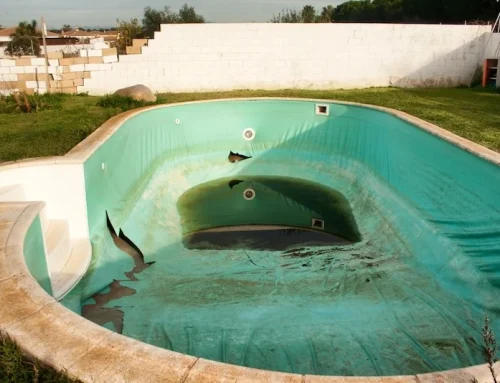
Step outside in the middle of a Florida afternoon, and you feel it instantly. That sharp heat under your feet. A pool deck that looked fine in the morning can turn extremely hot by noon, especially under direct sunlight. You don't really think about it until you're moving faster than usual just to get across it.
In Tampa and Orlando backyards, this is a daily thing. The sun sits high, the humidity holds, and surfaces either stay cool underfoot… or they don't. Some materials absorb heat and hold it. Others reflect heat and stay usable even during peak hours. That difference shows up fast.
This guide breaks down the best pool deck materials so you can build an outdoor space that actually works in Florida, not just something that looks good on install day.
Why Pool Deck Material Matters More in Florida
Choosing the best pool deck materials in Florida isn't just about design. It's about how your pool deck performs every single day. The Sunshine State pushes every surface harder than most places. You've got intense sun, high humidity, sudden heavy rains, and in coastal areas like Tampa, constant exposure to salt air.
What that looks like in real life:
- Surfaces absorb heat quickly and spike in temperature.
- Untreated concrete becomes uncomfortable under bare feet.
- High humidity speeds up wear and surface breakdown.
- Heavy rains increase slip risks without proper drainage.
Orlando homes deal more with trapped heat and storm cycles. Tampa homes, especially near the coast, also deal with corrosion from salt air.
That's why Florida pool decks need to do more than look clean. The right material helps stay cool, improves safety, and holds up without constant maintenance.
Comparing the Best Pool Deck Materials for Florida Homes
When you look across different Florida homes, you start to notice the same pool decking options showing up. Not because they're trendy but because they actually hold up. The best materials balance comfort, durability, and maintenance without turning your outdoor space into something you avoid during the day.
Travertine Pool Decks (Naturally Cool, High-End Look)
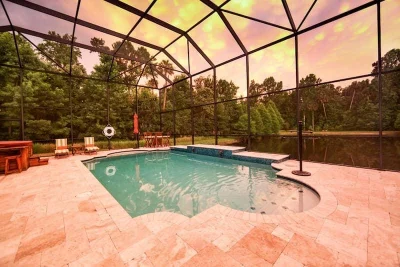
Travertine is one of the most reliable natural stone choices for Florida. It stays naturally cool, even under direct sunlight, which makes a real difference when you're walking barefoot around the pool.
Compared to a standard concrete pool deck, travertine pavers don't trap heat the same way. They reflect it. That's why you see them often in higher-end Tampa and Orlando homes.
What stands out:
- Light, off-white tones help reduce heat retention.
- Natural slip resistance from its porous surface
- Clean, classic look that works with most pool designs
One thing most blogs skip is that travertine's grip comes from that porosity. Once sealed, especially with a gloss finish, it can lose some traction unless a non-slip additive is used. With proper care every few years, though, it holds up well.
Stamped Concrete Pool Decks (Flexible and Cost-Effective)
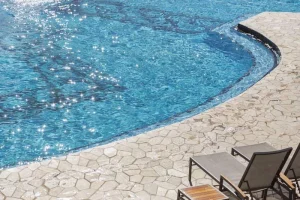
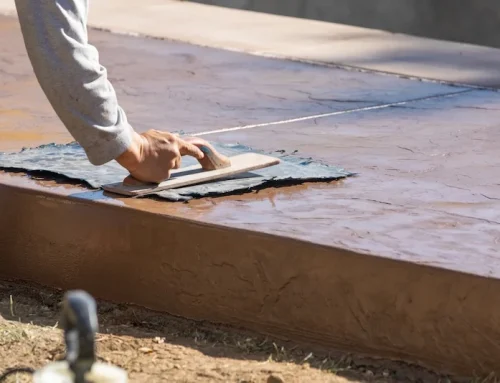
Stamped concrete gives you design freedom. You can mimic natural stone, tile, or even wood while keeping things more cost-effective.
But here's where Florida changes the conversation. Raw poured concrete will absorb heat fast. That's why most projects include an acrylic coating (for example) to help it stay usable.
You'll get:
- A wide range of pool design styles
- Durable surface with proper sealing
- Lower upfront cost compared to natural stone
If you want to see how these finishes actually look and perform, this breakdown of stamped concrete pool deck solutions shows real applications across Florida homes.
Pebble & Textured Coatings (Built for Grip and Safety)
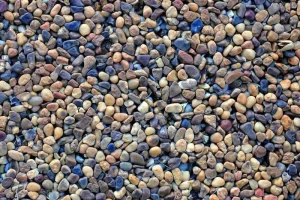
If safety is your priority, textured concrete and pebble coatings stand out. These create a slip-resistant surface that performs well even during sudden rain in Florida.
They're ideal for:
- Families with kids running around the pool
- High-traffic outdoor areas
- Spaces exposed to constant moisture.
The texture gives excellent traction, which matters more than you think once the deck gets wet. The tradeoff is comfort. It can feel rough on bare feet, depending on the finish.
For a deeper comparison, this guide on pebble stone vs stamped concrete pool decks breaks down where each one works best.
Cool Deck & Acrylic Coatings (Designed for Florida Heat)
This is where things get practical. Cool deck coatings are designed specifically to reduce heat on a concrete slab. Instead of replacing the surface, you upgrade it.
Here's what actually makes them work:
The textured finish creates tiny peaks and valleys. That reduces direct contact with your feet and allows airflow, helping the surface stay cool underfoot.
Benefits include:
- Lower surface temperatures during peak sun
- Reflect heat instead of trapping it.
- Low maintenance and fade-resistant
If you've ever wondered why some decks feel hotter than others, this breakdown on why concrete pool decks get hot explains it clearly.
Side-by-Side Comparison: Which Pool Deck Stays Coolest?
Once you narrow down your deck materials, the decision gets easier when you compare how they actually perform, not just how they look.
Here's how the best pool deck materials stack up in Florida conditions:
|
Material |
Heat Level |
Slip Resistance |
Maintenance |
|
Travertine |
Lowest (Cool) |
High (Porous) |
Medium (Sealing) |
|
Cool Deck Coating |
Low |
High (Textured) |
Low |
|
Stamped Concrete |
Medium–High* |
Medium |
Medium (Resealing) |
|
Untreated Concrete |
High |
Low–Medium |
Low |
*Heat can be reduced significantly with light-colored coatings.
What this really means:
- If heat is your biggest issue → travertine or heat-reflective coating
- If budget matters → stamped concrete with proper coating
- If safety matters → textured finishes win
You'll feel the difference quickly. Some surfaces stay usable all day. Others get hot enough to avoid.
If you're planning around cost as well, this pool deck resurfacing cost guide breaks down what to expect across Florida.
What Most Homeowners Get Wrong About Pool Deck Materials
Most homeowners choose based on looks first. That's usually where things go sideways.
A pool deck might look clean and modern, but if it absorbs heat quickly or lacks proper grip, it becomes uncomfortable fast. Florida conditions expose those mistakes quickly.
Common issues:
- Choosing darker finishes that increase heat retention
- Ignoring how surfaces feel on bare feet
- Skipping coatings that help reflect heat
- Overlooking drainage during installation
The huge difference comes from performance. Not appearance. In Florida, your deck materials deal with constant sun, moisture, and wear. If they're not built for that, maintenance goes up and usability goes down.
How to Choose the Right Pool Deck for Your Florida Home
There's no single best pool deck. It comes down to how you use your pool area and what matters most.
Start with your priority:
- If heat is the top concern:
Travertine or a decorative concrete coating - If budget is the focus:
Stamped concrete with a proper coating system - If safety matters most:
Textured finishes for better grip
Now factor in location.
In Tampa, especially near the coast, materials need to be handled in salt air. In Orlando, heat and heavy rains matter more, so drainage and surface cooling become the priority.
Also consider:
- Maintenance expectations
- Whether you're working with an existing concrete slab
- The overall pool design
The right material choice should feel good to use every day, not just look good on install day.
When Resurfacing Is Better Than Replacing Your Pool Deck
Not every project needs a full rebuild. If your existing concrete is still solid, resurfacing is often the smarter move.
Instead of tearing everything out, you apply a new coating system over the surface. This is common across Florida, especially for older decks that need an upgrade in comfort and appearance.
Resurfacing works best when:
- The concrete slab is structurally sound.
- You want to reduce heat with the right coating.
- You want a faster, more cost-effective solution.
If you're looking at budget-friendly options, this guide on the cheapest ways to redo a pool deck helps set expectations. You can also review pricing in this concrete resurfacing cost breakdown to get a clearer idea.
The Bottom Line for Florida Homeowners
The best pool deck materials aren't just about style. In Florida, they're about comfort, safety, and how the surface performs over time. You'll notice the difference quickly. How it handles heat, reacts to rain, and holds up after a few seasons.
Travertine, textured coatings, stamped concrete, and acrylic coatings all work. The key is choosing what fits your space and how you use it.
That's where experience matters. Creative Resurfacing Solutions helps Florida homeowners build pool decks that actually perform in real conditions, not just look good at installation.
If your current deck feels too hot or outdated, it may not be the design. It's likely the material.