Your outdoor space might have everything you need, but an aging driveway, plain patio, or worn pool deck can make the whole area feel unfinished. You want something that looks good without spending a fortune on expensive stone or individual pavers.
Stamped concrete gives you another option. It can copy the appearance of brick, slate, and other decorative materials while providing a solid surface for everyday use.
Still, Florida weather can be tough on outdoor flooring. Orlando’s intense sunlight, afternoon storms, and year-round humidity can affect how decorative finishes perform.
Before choosing a design, you need to understand how the material works, what maintenance it requires, and whether your existing surface can support it.
What Is Stamped Concrete?
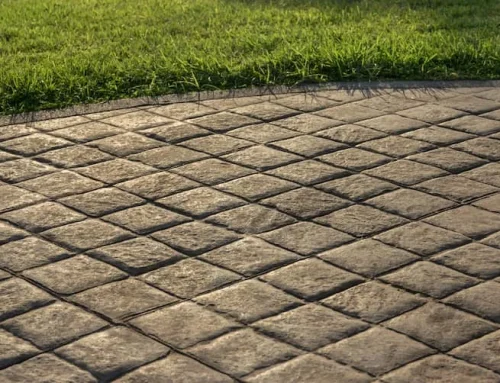
Stamped concrete is a decorative finish created by pressing patterns into wet concrete before it hardens. The result is a textured surface that can resemble natural stone, brick, slate, or even wood.
Unlike individual pavers, the finished area is usually one continuous concrete slab with decorative impressions. You get the appearance of separate pieces without having individual units throughout the installation.
There are two main ways to achieve this look.
Traditional installation: A contractor places new concrete and presses concrete stamps into the material while it remains workable.
Decorative overlay: A suitable existing concrete surface receives a specially prepared top layer that can be textured to create similar designs.
Both methods offer customization, but they require different preparation and installation techniques. The condition of your existing slab helps determine which option makes sense.
Why Florida Property Owners Choose Stamped Concrete
The biggest appeal is design flexibility. You can make a basic outdoor area resemble more expensive natural materials without installing each piece separately.
For example, a plain backyard patio can take on the appearance of cut flagstone. A front entrance can feature concrete patterns that resemble traditional masonry.
You also have plenty of choices for color.
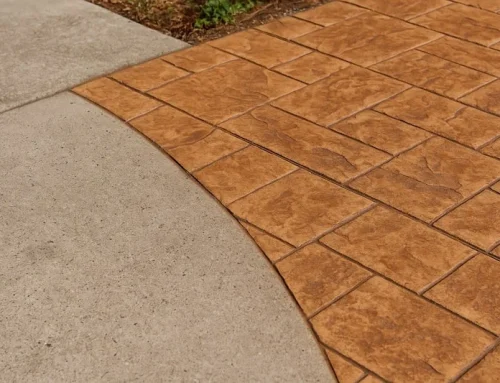
An integral color can be mixed into the concrete mix to provide a consistent base color. A surface-applied color hardener may also be used on certain installations.
Contractors can add an accent color or secondary color using a compatible release color system to bring out the pattern’s details.
The result can resemble real stone without requiring individual pieces.
The main benefit is flexibility. You can coordinate your outdoor flooring with your home’s exterior while choosing a finish suited to your budget and daily use.
Where Can You Use Stamped Concrete Around Your Property?
You can use decorative stamped finishes in several outdoor areas, provided the underlying structure and installation method suit the location.
Driveways and Front Entrances
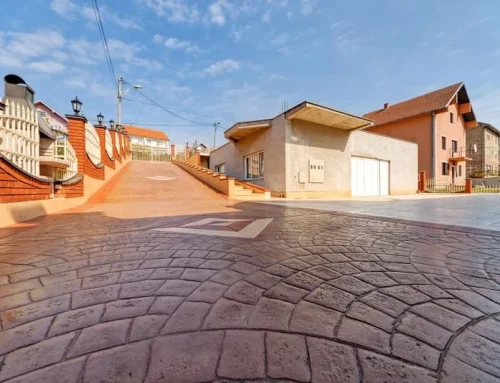
Your driveway takes daily pressure from vehicles, changing temperatures, and rain. Decorative finishes can improve curb appeal, but the underlying concrete must have enough strength and depth for vehicle traffic. A well-planned installation also needs suitable control joints to help manage cracking.
Patios and Outdoor Living Areas
A stamped concrete patio can make your backyard feel more inviting without requiring a complete redesign. For smaller patios, simple patterns often work better than overly detailed designs. Large stone-style impressions can make the area feel more open.
Pool Decks
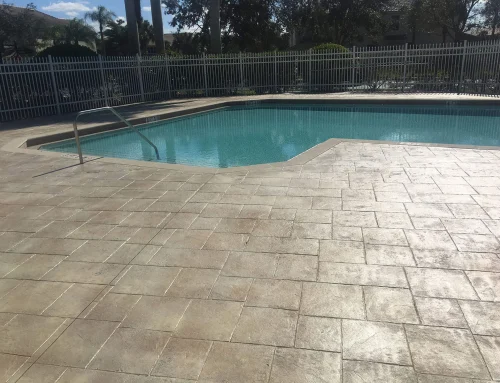
Decorative finishes can give pool decks an attractive appearance, but safety matters more than looks. A surface exposed to splashing water needs suitable texture and traction. A non-slip additive may improve grip when used with a compatible coating or sealer.
Lighter colors may also help reduce heat buildup under direct sunlight, although no outdoor finish stays completely cool.
Walkways and Sidewalks
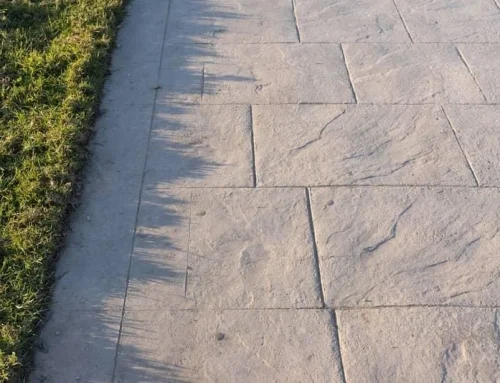
A decorative walkway can connect your driveway, entrance, and backyard while maintaining a consistent appearance. The design should also support proper drainage so rainwater moves away from your home rather than collecting along the path.
Pros and Cons of Stamped Concrete
The material offers strong visual appeal, but it also comes with limitations worth considering before installation.
Advantages Worth Considering
- Design flexibility: Choose from popular patterns, including ashlar slate, cobblestone, flagstone, and wood plank finishes.
- Continuous appearance: You avoid many of the individual joints found between separate paving units.
- Customization: You can adjust colors and finishes to match your home’s exterior.
- Resurfacing potential: Certain sound existing slabs can receive decorative overlays.
- Long-term appeal: A properly installed and maintained finish can improve outdoor usability and support home value.
Limitations You Should Understand
Cracking remains possible. Concrete naturally expands, contracts, and responds to soil movement. Decorative impressions do not eliminate those forces.
Repairs can also be noticeable. Matching an older pattern and color may be difficult after years of sunlight exposure.
Another concern is traction. Some glossy finishes become slippery when wet, especially around pools and entrances.
Maintenance is not optional, either. Dirt, weather exposure, and normal wear can affect the finish over time. You should weigh these drawbacks against the appearance you want and how heavily you plan to use the area.
How Does Florida Weather Affect Stamped Concrete?
Florida weather affects both the appearance and long-term performance of decorative outdoor flooring.
In Orlando, strong UV exposure can gradually fade some pigments and protective coatings. Dark surfaces may also absorb more heat, making them uncomfortable during summer afternoons.
Heavy rain creates another concern. If water collects because of poor drainage, moisture can contribute to staining, coating problems, and deterioration over time.
Proper preparation matters as much as the decorative finish.
For new installations, your contractor should evaluate the ground conditions, base compaction, slope, and drainage before pouring begins.
The weight of concrete also makes a stable foundation essential. Poor support can allow sections to settle or crack.
For overlays, moisture movement through the existing slab can affect adhesion. Applying a decorative layer over a failing surface will not correct the underlying damage.
Coastal properties may face additional exposure to salt air and moisture. Choosing suitable materials and protective finishes helps reduce avoidable problems, but no decorative surface is completely weatherproof.
Stamped Concrete vs. Pavers and Natural Stone
Your best choice relies on your budget, preferred appearance, and willingness to handle future repairs.
| Feature | Stamped finish | Pavers | Natural stone |
| Appearance | Mimics masonry and stone | Individual decorative units | Unique natural variation |
| Installation | Continuous slab or overlay | Separate pieces over a prepared base | Individual pieces |
| Repairs | Pattern and color matching can be difficult | Individual units may be replaced | Matching replacement pieces can be difficult |
| Maintenance | Cleaning and periodic protection | Joint and surface care | Depends on stone type |
| Cost | Varies by design and preparation | Varies by material and installation | Often higher for premium options |
A decorative concrete finish may offer a lower initial cost than some premium stone installations. However, complex designs and major preparation work can change that comparison.
Don’t choose based on appearance alone.
Think about how easily you can repair future damage and whether the finished area will handle your property’s drainage and traffic needs.
Can Existing Concrete Be Turned Into Stamped Concrete?
Yes, some existing surfaces can receive decorative stamped overlays without requiring complete removal.
However, the condition of the existing slab determines whether resurfacing is practical.
A structurally sound patio with surface discoloration or minor cosmetic damage may be a suitable candidate.
Deep structural cracks, major settlement, or ongoing moisture problems require closer evaluation. Covering those issues with a decorative coating can lead to premature failure.
Your contractor should inspect the surface, check for loose material, and identify any repairs needed before applying an overlay.
You can explore the differences between traditional installations and overlays in our guide on how to stamp existing concrete.
Understanding those options can help you avoid unnecessary demolition while recognizing when replacement is the better investment.
How Much Maintenance Does Stamped Concrete Need in Florida?
Stamped concrete needs regular cleaning and occasional protective maintenance to preserve its appearance.
You don’t need complicated equipment for everyday care. Sweep away dirt, leaves, and debris before they build up. For routine washing, use a mild cleaner and water according to the finish manufacturer’s recommendations. Avoid harsh chemicals or aggressive pressure washing that could damage protective coatings.
When Should You Reseal the Surface?
Resealing depends on the product, exposure, and amount of foot or vehicle traffic. Some outdoor surfaces may need attention every few years, while others follow different schedules. Watch for fading, uneven sheen, increased water absorption, or visible coating wear.
Our guide to sealing stamped concrete explains how protective treatments help preserve decorative finishes.
Promptly clean spills that could leave stains, and check cracks before water intrusion makes them worse. Regular care is usually easier than restoring a badly neglected finish.
How to Decide Whether Stamped Concrete Is Right for Your Property
The best decision starts with how you actually use your outdoor space. Before committing to a stamped concrete project, work through a simple game plan.
- Check the existing surface. Is your patio or driveway structurally sound, or does it have major cracking and settlement?
- Think about daily use. Will the area handle vehicles, pool traffic, or occasional gatherings?
- Consider heat and traction. Will people walk barefoot across the surface during summer?
- Review your budget. Compare resurfacing, replacement, and alternative flooring options.
- Plan for maintenance. Are you comfortable with cleaning and periodic protective treatments?
You should also request sample finishes before choosing colors. Small samples can look different across a large outdoor area, especially under changing sunlight.
For a more realistic result, ask about color matching between the main finish and surrounding surfaces. A thoughtful choice now can prevent expensive changes later.
Choosing a Stamped Concrete Contractor in Florida
A qualified contractor should explain the installation method, preparation requirements, and expected maintenance before starting work.
For traditional installations, the stamping process involves careful timing. After placement, installers level the material using appropriate tools, which may include a concrete float. They then apply the selected coloring system and use stamping tools while the surface remains workable.
A compatible release agent helps prevent the stamps from sticking. Once installers start stamping, consistent pressure and alignment help produce clean impressions. Timing is especially important because Florida heat can shorten the working window.
The finish may then require cleaning, joint cutting, curing, and protective treatment according to the selected system. Ask experienced contractors how they handle drainage, joint placement, surface preparation, and curing.
You should also request examples of completed work similar to your project.
A beautiful pattern cannot make up for poor installation. The quality of the preparation and application affects how well your finished surface performs over time.
Give Your Florida Outdoor Space a Finish That Lasts
Choosing decorative concrete should be about more than finding a pattern you like. You need a surface that suits your property, handles everyday use, and fits your long-term maintenance expectations.
Whether you’re updating an aging driveway or improving your backyard, the right approach begins with an honest evaluation of the existing conditions.
Creative Resurfacing Solutions is a premier Florida concrete resurfacing specialist, helping property owners improve outdoor spaces with decorative finishes designed around their needs.
Explore our stamped concrete services to see how a professionally planned finish can transform your property.
With the right preparation, design, and installation approach, you can enjoy an outdoor area that looks inviting and remains practical for years to come.
Frequently Asked Questions
1. What Is the Lifespan of Stamped Concrete?
Properly installed stamped concrete can last 25 to 30 years or longer, depending on the underlying slab, weather exposure, and maintenance. In Florida, regular cleaning, timely crack repairs, and appropriate sealing help protect the finish. Decorative colors and protective coatings may need attention well before the concrete itself reaches the end of its lifespan.
2. How Much Does a 20×20 Stamped Concrete Patio Cost?
A 20×20 stamped concrete patio covers 400 square feet. Your total cost depends on site preparation, design complexity, coloring, and whether you need new concrete or an overlay. Drainage improvements and removal of damaged concrete can increase the price. Request an itemized local estimate to understand what your project includes.
3. Is Stamped Concrete Outdated?
No. Stamped concrete remains a practical decorative option, especially when you choose patterns and colors that complement your home’s exterior. Natural stone textures, ashlar slate patterns, and subtle earth tones can create a timeless appearance. Avoid overly busy designs or strong color contrasts if you want a finish that stays visually appealing as your outdoor space changes.
4. What Is the Most Natural Looking Stamped Concrete?
Flagstone, ashlar slate, and irregular stone patterns are popular choices for creating a natural appearance. The most convincing results usually combine realistic textures with subtle color variations. For Florida patios and pool decks, lighter stone-inspired colors can also help limit heat absorption compared with darker finishes exposed to direct sunlight.
5. Is Stamped Concrete Cheaper Than Poured Concrete?
Stamped concrete generally costs more than plain poured concrete because it requires additional labor, coloring, stamping tools, and finishing work. However, it may cost less than installing certain premium natural stone materials. If you already have a structurally sound slab, a decorative stamped overlay may offer another option without the expense of complete replacement.
What is Stamped Concrete?
Alluring and lasting, stamped concrete is a popular choice for outdoor surfaces due to its versatility in mimicking natural materials like brick, flagstone, slate, stone tiles, or even wood. It is an increasingly popular choice for sidewalks, pool decks, driveways, interior floors, and patios due to its cost-effectiveness compared to materials like tile, stone, or slate. Additionally, it requires minimal maintenance, unlike asphalt or pavers, as there’s no need to seal or reseal it – providing a budget solution with the same intricate appearance as more expensive options.
What Makes Stamped Concrete Special?
Stamped concrete comes with its advantages, making it a strong contender for many residential and commercial projects.
Provides Customized Solution
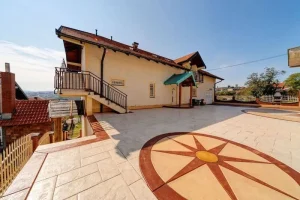
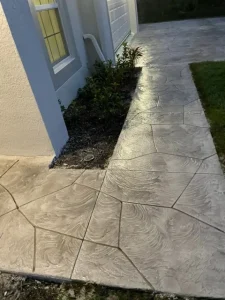
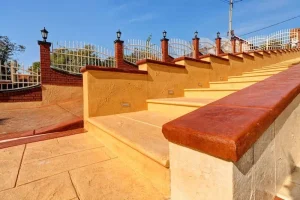
Stamped concrete offers a vast range of customization options, allowing you to easily create the look and feel that matches your dream vision. You can choose different stamped concrete patterns, textures, and colors depending on what fits in with your house or workplace theme. With stamped concrete at your fingertips, it will be easy to bring this idea into reality by simply tuning it according to your preference.
Durability and Low Maintenance
Stamped concrete is an ideal flooring solution that provides long-lasting protection against weed growth, and with the proper maintenance, it will retain its luster for years to come. Regular cleaning and resealing of the surface can prevent color fading and crack, making stamped concrete more durable than other options on the market.
How Is Stamped Concrete Used?
Stamped concrete is an impressive and versatile building material, perfect for indoor or outdoor projects. Its flexibility makes it a great choice for any project. From patios to driveways, sidewalks, and walkways to decks and basements – stamped concrete is the perfect way to add texture or color to any level surface around your home, such as your pool or spa. With its versatility comes unlimited possibilities in design. Here are what stamped concrete can offer to your outdoor space:
- A stamped concrete driveway can add style and individuality to your home’s exterior. Make an impression with this eye-catching visual or textured effect that amazes passersby!
- Transform any outdoor area into an attractive, functional living space with stamped concrete patios! This cost-effective solution will give your patio a sleek, modern look while providing additional usable space.
- Transform your pool area by opting for stamped concrete as the deck surface. Its elegant style and finish will provide a luxurious and inviting atmosphere to enjoy with family, friends, or alone.
- Stamped concrete walkways and sidewalks can add more sophistication to any outdoor space. With its limitless design possibilities and textured finishes, you will surely find the perfect style for your walkways that will make them look beautiful, inviting, and truly unique!
A Proper Installation is Essential
No matter which stamped concrete design you select, impeccably installing it is critical to ensure that your project persists for years. Engaging a competent professional such as Creative Resurfacing Solutions should be essential to receive the most out of stamped concrete. A knowledgeable contractor will have the necessary talents and expertise to prepare the surface correctly and apply an ideal pattern, texture, and color to your new flooring solution.
Ultimately, stamped concrete is the perfect solution for any residential or commercial application due to its cost-effectiveness, longevity, and ease of maintenance. With a certified stamped concrete contractor’s guidance, you can achieve an impressive design in any pattern or texture that perfectly complements your home’s visual appeal. Create something unique and beautiful with stamped concrete – it will make a lasting impression!