You invested in an epoxy floor because you wanted a clean, durable, and attractive surface. Then, a few years later, you start noticing something frustrating. Areas near the garage door look darker. The color seems off. In some spots, a faint yellowish tint begins to appear.
If you have ever wondered why epoxy floors turns yellow while other floors seem to maintain their appearance for years, the answer usually comes down to a combination of sunlight exposure, heat, product selection, and coating chemistry.
At first, it is easy to assume the coating is failing. In many cases, the floor is still structurally sound. The real issue is epoxy floor yellowing, and it happens far more often in Florida than many homeowners realize.
If you live in Orlando, Clearwater, St. Petersburg, or anywhere in Central Florida, your floor deals with intense sunlight, humidity, high temperatures, and year-round UV exposure. Those environmental conditions can dramatically affect how well an epoxy coating maintains its appearance over time.
Understanding why some floors discolor faster than others can help you make better decisions before investing in a new coating system.
Key Takeaways
|
Why Do Epoxy Floors Turn Yellow in the First Place?
An epoxy floor turns yellow primarily because the resin inside the coating reacts to light, heat, and oxygen over time. Most traditional epoxy floor coatings are made using aromatic epoxy resins. These products are known for strength and durability, but they are not naturally UV-resistant. When exposed to UV radiation and heat, the chemical structure begins to change.
The result is gradual discoloration. You may first notice:
-
- An amber appearance near windows
-
- Color differences across the entire floor
-
- A faded or aged appearance
-
- Loss of the floor’s original color
-
- Uneven yellowing patterns
Many homeowners are surprised to learn that dirt is not always the culprit. While dust, dirt, and routine wear can affect appearance, true epoxy yellowing comes from changes occurring inside the coating itself. The process is often slow at first. Then it becomes increasingly noticeable as exposure continues.
What Yellowing Actually Looks Like
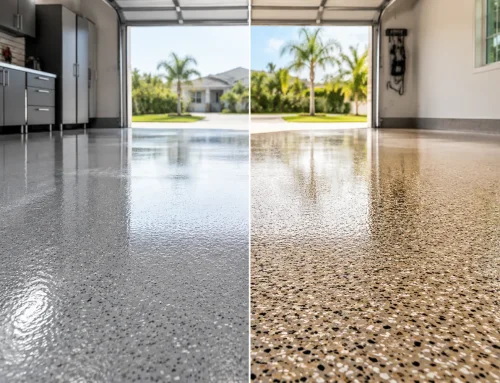
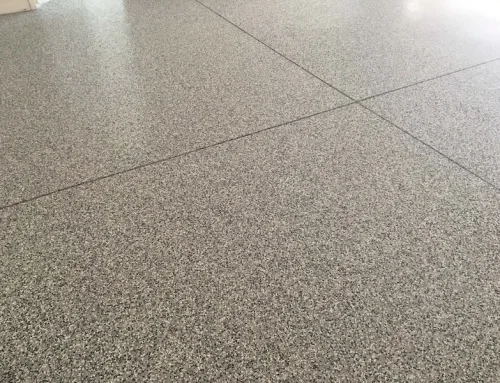
Not every yellow epoxy floor looks dramatically yellow. In many garages, the first signs appear as a slight amber hue near entry points where the floor receives the most sun. White, light gray, beige, and clear epoxy systems tend to show changes faster than darker colors.
A floor may still perform well mechanically while losing some of its visual appeal. That distinction matters because cosmetic changes and coating failure are not the same thing.
-
- Note: If you are evaluating other signs of aging, you may also want to read our article on Epoxy Floor After 2 Years: Early Signs That Predict Problems at Year 5
Key Environmental Drivers
Several factors influence how quickly epoxy floors turn yellow. While sunlight is the biggest contributor, it is rarely the only factor involved.
UV Exposure Is Usually the Biggest Reason
The leading cause of floor yellowing is prolonged UV light exposure. Florida receives some of the strongest annual solar intensity in the country. Every day, your coating absorbs ultraviolet rays from the sun. Over time, those rays trigger chemical reactions within the resin. Those reactions cause color shifting, oxidation, surface aging, and reduced clarity in clear coatings. The more direct exposure your floor receives, the greater the risk of turning yellow.
Heat Accelerates the Process
Heat and UV work together. A garage in Orlando can easily exceed 100 degrees during summer afternoons. Those elevated temperatures speed up oxidation and increase the rate of UV degradation. The result is faster aging of the coating system. A floor that receives both heat and sunlight will typically age faster than a similar floor in a temperature-controlled environment.
Oxygen Plays a Role Through Oxidation
Another contributor is oxidation. As the coating ages, oxygen interacts with the resin structure. This process can slowly alter the appearance of the floor, particularly when combined with UV exposure. Think of it like paint fading over time. The material remains present, but its appearance changes.
Why Exposure Timelines Vary
Not every garage experiences the same outcome. You may see one floor remain relatively stable for years while another develops noticeable discoloration much sooner. The difference often comes down to several factors working together.
|
Garage Condition |
Yellowing Risk |
|
Garage door rarely open |
Lower |
|
Garage door open daily |
Higher |
|
No windows |
Lower |
|
South-facing windows |
Higher |
|
Climate-controlled garage |
Lower |
|
Unconditioned garage |
Higher |
-
- The Amount of Direct Sunlight Matters: One of the biggest variables is how much direct sunlight reaches the floor. The more frequently a floor is exposed to direct sunlight, the greater the chance of visible discoloration.A garage in Orlando with western exposure that remains open for several hours each afternoon will typically experience more UV stress than a shaded garage in a heavily treed neighborhood of Winter Garden. Even when both floors use the same coating system, the one receiving more daily sunlight will often show signs of discoloration sooner.
-
- Lighter Colors Reveal Yellowing Faster: A white or light-gray coating often shows changes much sooner than darker systems. The actual chemical process may occur in both floors, but lighter surfaces reveal the color shift more clearly. That is why many homeowners notice a yellow epoxy floor long before they recognize any other aging symptoms.
-
- Product Quality Makes a Difference: Not all epoxy materials are manufactured to the same standards. Lower-cost products often contain fewer stabilizers and performance-enhancing additives. Those products may be more vulnerable to UV-related damage. Professional-grade systems are typically engineered with stronger formulations and improved color retention characteristics. If long-term durability is a priority, material quality should never be overlooked.
-
- Installation Quality Also Matters: Even premium products can underperform if installed incorrectly. Issues such as improper surface preparation, poor mixing, exceeding product pot life, and inadequate curing can impact overall performance. Proper installation helps the coating perform as intended when exposed to Florida’s heat, sunlight, and other environmental stressors.
What is the Realistic Timeline?
There is no universal timeline. Some homeowners begin noticing subtle changes within a few years. Others may not see obvious discoloration until much later. Several factors affect timing:
-
- UV intensity
-
- Product formulation
-
- Color selection
-
- Exposure duration
-
- Environmental conditions
-
- Topcoat protection
A garage floor that receives daily sunlight through an open garage door will usually show changes sooner than a protected interior floor.
-
- Note: If you are curious about longer-term performance expectations, our article on Epoxy Floor After 5 Years provides additional insights.
Can Yellowed Epoxy Floors Be Fixed?
In some situations, yes. The solution depends on what is causing the discoloration.
-
- Cleaning Will Not Reverse True UV Damage: Many homeowners attempt aggressive cleaning when they first notice color changes. Unfortunately, true UV-related yellowing occurs within the coating itself. No cleaner can restore the resin to its original condition once the chemical structure has changed.
-
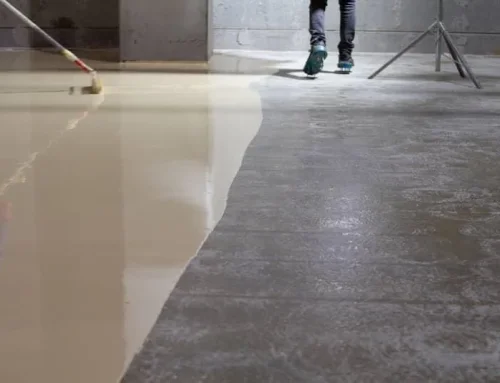
- Recoating May Be an Option: If the existing surface remains structurally sound, professional recoating may improve appearance. The process often includes surface evaluation, mechanical preparation, possible sanding, application of a new coating, and the installation of a protective clear coat or topcoat. The feasibility depends on the condition of the existing coating system.
-
- The condition of the existing coating often determines whether recoating is practical or whether replacement provides better long-term value.
-
- Note: For a broader look at lifespan expectations, see our article on How Durable Are Epoxy Floor Coatings Over Time.
-
- Severe Cases May Require Replacement: When multiple layers have failed, or discoloration is extensive, replacement may be the most practical solution. A professional assessment can determine which approach offers the best long-term value.
How to Prevent Epoxy Floor Yellowing Before It Starts
The best strategy is prevention. Making smart product choices upfront can save significant money and frustration later.
-
- Choose Products Designed for UV Exposure: Traditional epoxy performs well in many indoor environments, but areas exposed to regular sunlight may benefit from a more UV-stable system. Products with enhanced UV resistance are specifically designed to combat color change and weathering.
-
- Use UV-Stable Topcoats: A protective topcoat acts as a shield between sunlight and the underlying coating. Many modern systems incorporate advanced technologies that improve color retention, surface protection, appearance longevity, and lasting color stability. These products can significantly reduce the effects of UV damage.
-
- Minimize Direct Sun Exposure: Practical preventive measures include keeping the garage door closed when possible, installing window coverings, reducing prolonged sunlight exposure, and managing interior heat levels. While no coating is completely immune to UV damage, reducing exposure helps extend the appearance’s life.
Are Polyaspartic Coatings Better for Florida?
For many Florida environments, yes. Polyaspartic coatings are widely known for their superior UV stability compared to traditional epoxy systems.
-
- Why Polyaspartic Performs Better Outdoors: Unlike many conventional epoxy formulations, polyaspartic technology is engineered for stronger UV resistance. Benefits often include improved color retention, better resistance to sunlight, reduced risk of fading, and enhanced durability in outdoor conditions. For patios, pool decks, and garages with significant sun exposure, a uv stable solution can provide substantial long-term benefits.
-
- Does Epoxy Still Have a Place? Absolutely. An epoxy system can still be an excellent option when exposure to sunlight is limited. Many interior garages perform very well with epoxy when environmental conditions are properly considered. The key is matching the coating to the environment.
Note: If you are comparing systems, our guide on Advantages of Polyaspartic vs Epoxy Coatings offers a detailed breakdown.
Choosing the Right Solution for Your Property
Before applying epoxy or selecting any coating system, evaluate how the space will actually be used. Ask yourself:
-
- Does the floor receive direct sunlight daily?
-
- How often is the garage door open?
-
- Is the area climate-controlled?
-
- Is long-term appearance a priority?
-
- Will the coating be exposed to moisture and heat?
Those answers help determine which system is most appropriate for your property. A coating that performs perfectly in one garage may not be the ideal choice for another. Environmental conditions matter. Material selection matters. Installation quality matters. Together, those factors determine whether a floor maintains its appearance for years or develops premature discoloration.
Protect Your Investment With the Right Coating System
If your epoxy floor turns yellow, the problem is often linked to UV exposure, heat, coating chemistry, and product selection rather than outright coating failure. Understanding why epoxy floors turn yellow helps you make informed decisions before investing in a new floor system. The right combination of materials, preparation, and UV protection can dramatically improve long-term appearance and performance.
At Creative Resurfacing Solutions, we help homeowners throughout Central Florida choose coating systems designed for real-world Florida conditions. Before investing in a new garage floor coating, it helps to understand how much sunlight the space receives, what appearance you expect long-term, and whether a traditional epoxy or UV-stable alternative is better suited for Florida conditions.