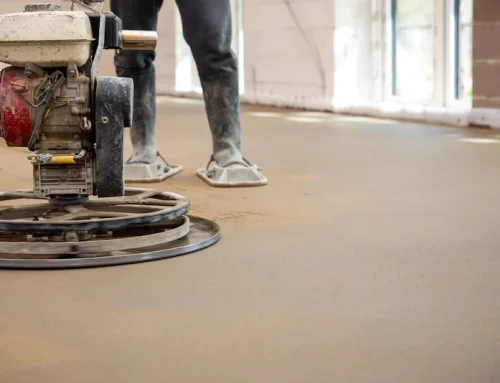
At first glance, concrete staining feels like an easy win. The sample boards look rich, clean, and modern. You see deep earth tones, glossy finishes, and color variation that make old concrete floors look custom without ripping everything out. Then, Florida weather starts doing what Florida weather does. Rain sits on the surface for days. Pool water splashes across the deck every weekend. Direct sunlight pounds the same concrete patio month after month. A year or two later, some homeowners in Orlando, Tampa, and Naples start noticing fading, blotchy spots, slippery sealers, or repairs that suddenly stand out from the rest of the slab.
In this article, you’ll learn where concrete staining works well, why older slabs often struggle with it, and when concrete resurfacing usually makes more sense before spending money on the wrong finish.
Key Takeaways
|
Why Concrete Staining Looks Better in Showrooms Than Real Homes
Most showroom samples look impressive because they are built under controlled conditions. The slab is clean. The lighting is perfect. Nothing has been exposed to years of Florida heat, humidity, or rain.
Your actual concrete surface is a completely different story.
A backyard concrete patio in Tampa may already have old repairs hidden beneath the finish. In Orlando, some lanais have years of pressure washing wear that homeowners barely notice until the staining process begins. Around Naples, coastal moisture and salt exposure slowly break down concrete sealers faster than many people expect.
Showroom samples also tend to use newer slabs with consistent pores and smooth texture. Older existing concrete absorbs color unevenly. Some sections soak in material fast, while other spots resist penetration completely.
You especially notice this with darker concrete stain colors. Areas exposed to heavy direct sunlight often start fading at different speeds. Covered sections may still look rich while exposed areas lose depth and turn patchy.
Even small problems under the surface become visible after staining:
-
- old oil spots
-
- repair patches
-
- caked on dirt
-
- uneven texture
-
- leftover sealer residue
Unlike paint, stained concrete does not fully hide imperfections. It tends to highlight them.
Many homeowners realize too late that decorative samples are designed to showcase the appearance of the finish, not necessarily how aging outdoor concrete behaves after years of Florida weather exposure.
If the slab already has noticeable wear or an inconsistent texture, some homeowners move toward decorative concrete resurfacing systems because resurfacing creates a cleaner and more uniform layer to work from.
The Biggest Concrete Staining Regrets After 1–2 Years
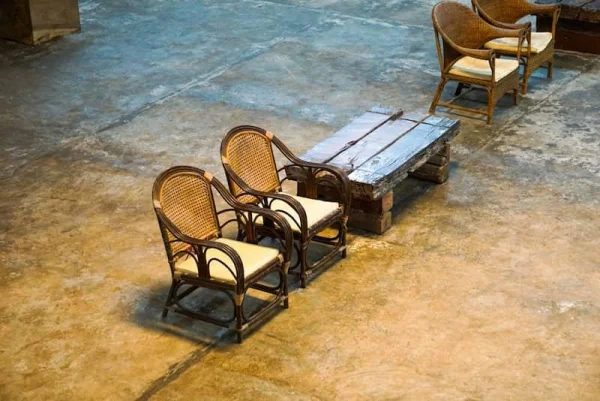
Most regrets start after the finish begins aging outdoors. The installation may look beautiful at first. Then, small issues slowly start stacking up. Uneven fading is one of the biggest complaints. Florida UV exposure is brutal on outdoor finishes, especially around pools and open patios. Some areas stay darker while others lose color much faster.
Water creates another headache. Rain, pool splash out, and humidity constantly sit on the surface. Once moisture starts affecting the finish, discoloration becomes more noticeable.
Homeowners are often surprised by how slippery certain finishes become, too.
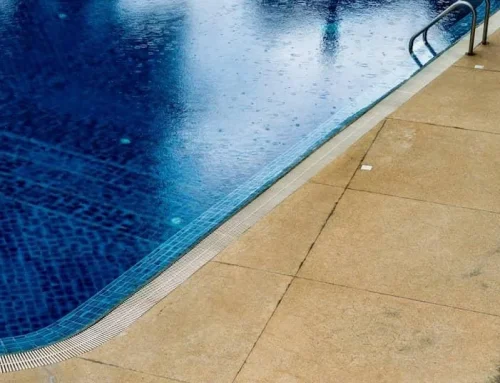
The stain itself usually is not the main issue. The problem comes from the glossy sealer used to help protect outdoor color. Around pools and lanais, heavily sealed concrete floors can become slick when wet, especially after rainstorms or afternoon summer showers.
Then comes the repair problem most people never think about up front.
Imagine your older concrete slab in Orlando developing a new crack after a couple of hurricane seasons. A contractor patches the damaged section with fresh cement. Suddenly, one bright repair area stands out right in the middle of the older stained concrete flooring.
Even after applying two coats of color, the patched section still absorbs differently because the cement chemistry has changed over time.
Older slabs react unpredictably. Sun exposure shifts the tone. Repairs weather differently. Some sections even contain completely different cement mixtures from previous repair work.
Acid-based products make this even harder.
An acid stain works through chemical reactions inside the slab. If part of the concrete has been repaired, pressure-washed heavily, or exposed to years of wear, the reaction changes from one section to another. One patch may turn darker while the surrounding area stays lighter.
Here’s where frustration usually sets in:
|
Problem |
What Homeowners Expect |
What Usually Happens |
|
Small crack repair |
Simple touch-up |
Patch stays visible |
|
Faded area |
Easy resealing |
Color still looks uneven |
|
Pool deck wear |
Low maintenance |
Slippery sealed areas |
|
Chipped surface |
Blend the repair with the old finish |
New cement stands out |
After enough patching, many homeowners stop trying to save the original finish and move toward full concrete resurfacing instead.
For pool decks and lanais, textured pool deck resurfacing systems usually provide better traction and a more consistent appearance long term.
Why Older Concrete Often Reacts Poorly to Staining
Older slabs almost always behave differently than newer concrete. Years of wear change the pores, texture, and chemistry inside the surface.
That becomes a major problem during concrete staining.
An acid stain reacts chemically with minerals inside the slab. If the concrete surface has repair patches, old damage, or sections worn down by years of pressure washing, the chemical reaction becomes uneven.
You can see one section turn deep and rich while another area barely changes color at all.
This happens constantly on older patios across Florida. A concrete patio in Tampa might contain three separate repair materials from different years. Once the stain hits the slab, every section reacts differently.
Water-based acrylic stain products behave differently. These water-based stains sit closer to the top layer instead of deeply penetrating the concrete slab. They often produce cleaner translucent color options and more predictable stain colors.
But they come with their own issues.
If moisture pushes upward from underneath the slab, the finish can start:
-
- peeling
-
- bubbling
-
- turning cloudy
-
- losing adhesion
Older existing concrete also absorbs material inconsistently because the pores are no longer uniform. Some spots grab the finish immediately, while others reject it due to leftover sealer, dirt, or contamination trapped inside the slab.
A lot of homeowners think staining works like applying paint on walls. It really does not.
Concrete remembers years of wear underneath the surface. Oil spots, dirt, repair material, tire marks, and old coatings often stay buried inside the slab long after cleaning.
When the concrete already has deep cracks or uneven repairs, many contractors recommend a good alternative like overlays or decorative concrete resurfacing systems instead of trying to force stain onto a damaged slab.
Florida Weather Makes Concrete Staining Harder to Maintain
Florida weather speeds up wear faster than many homeowners expect. Heat, moisture, rain, and UV exposure constantly work against outdoor finishes.
You see it all over Orlando and Tampa. A patio may look great after installation, then slowly lose consistency after a few summers outside.
Direct sunlight is one of the reasons darker concrete stain colors fade unevenly. Darker finishes absorb more heat, which puts extra stress on the surface throughout the day.
Pool areas deal with even more abuse.
Chlorine splashes out and slowly weakens protective coatings. Heavy rain leaves standing moisture behind. Humidity keeps the slab damp longer than people realize.
Even when the top layer feels dry, moisture can still move upward through the concrete slab. Once trapped moisture builds underneath, some water-based stains start losing adhesion beneath the sealed finish.
Maintenance becomes more demanding, too.
Outdoor surfaces collect:
-
- dirt
-
- algae buildup
-
- dust bunnies near furniture edges
-
- caked on dirt around drains and corners
Most homeowners end up pressure washing more aggressively over time just to keep the patio looking clean. Repeated washing gradually wears down the protective layer faster.
The finish may still look decent from far away, but uneven wear becomes more obvious up close after a few years.
This does not mean concrete staining automatically fails outdoors. It simply requires more maintenance awareness than many homeowners expect when they first see showroom samples.
For older slabs or heavily exposed outdoor areas, some homeowners move toward alternative decorative concrete textures and resurfacing finishes because textured systems usually handle Florida conditions more consistently over time.
When Concrete Resurfacing Makes More Sense Than Staining
Sometimes the slab itself is already too worn for reliable staining results. You can still apply color, but the finish may never look consistent for very long.
If your existing concrete already has:
-
- repair patches
-
- visible cracks
-
- uneven texture
-
- moisture problems
-
- heavy surface wear
Then, concrete resurfacing often becomes the smarter long-term move.
Unlike basic concrete staining, resurfacing creates a fresh working layer across the slab. That gives contractors better control over texture, traction, and overall appearance.
It also helps hide old repairs that would normally stay visible through stain.
This becomes especially important around pools, lanais, and outdoor entertaining areas where slip resistance matters. Many resurfacing systems are designed with texture built in, which helps create a safer surface when wet.
You also get more flexibility with:
-
- decorative patterns
-
- stone-inspired finishes
-
- smoother or textured surfaces
-
- neutral color designs
-
- custom looks for outdoor concrete
Another benefit is repair flexibility later on.
If the slab develops future damage, resurfaced systems are usually easier to blend visually compared to older stained concrete. Patch repairs on stains tend to stand out. Resurfacing gives you more room to work with.
For homeowners trying to save money, staining can still be a solid option on newer slabs in good shape. But when the concrete surface already shows age, resurfacing often delivers a more durable and realistic result long term.
Talk to Creative Resurfacing Solutions Before Choosing a Decorative Finish
Choosing between concrete staining and resurfacing depends heavily on the condition of the slab underneath. A newer patio in Orlando may handle stains well for years. An older pool deck in Tampa with repair patches and moisture problems may struggle almost immediately.
Every slab behaves differently.
Some surfaces can support staining beautifully with proper maintenance. Others already have enough wear, movement, or hidden damage to make uneven results almost unavoidable.
Before investing in a decorative finish, it helps to evaluate what the concrete surface can realistically handle long-term. Creative Resurfacing Solutions works with homeowners across Florida to identify which systems make the most sense for the way the space is actually used every day. Whether the goal is better durability, improved traction, updated decorative concrete finishes, or a cleaner, modern look, starting with the right slab evaluation usually prevents the biggest regrets later.