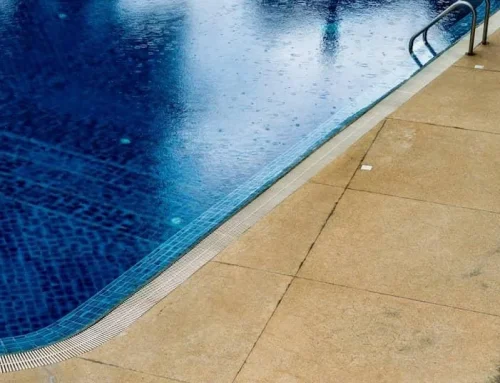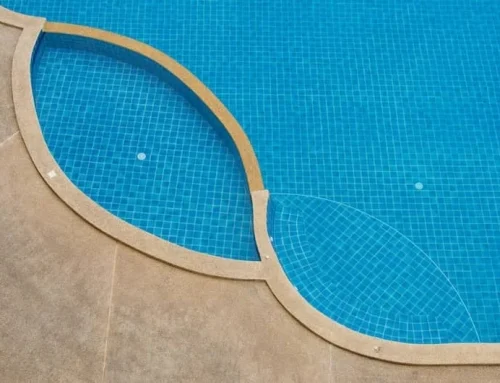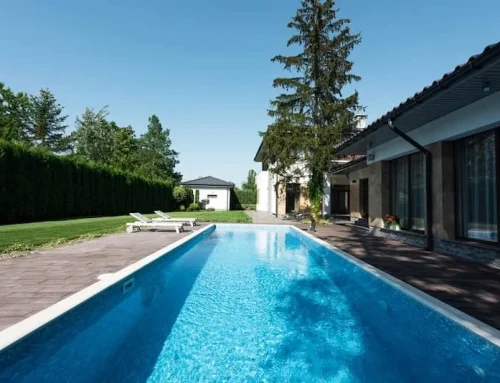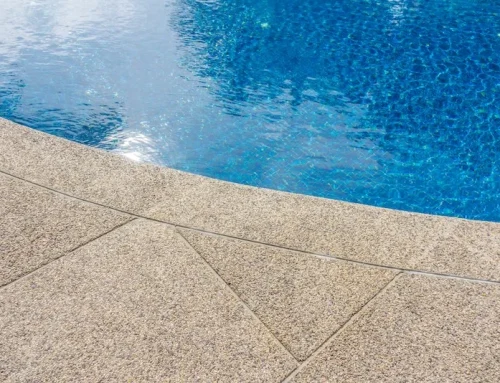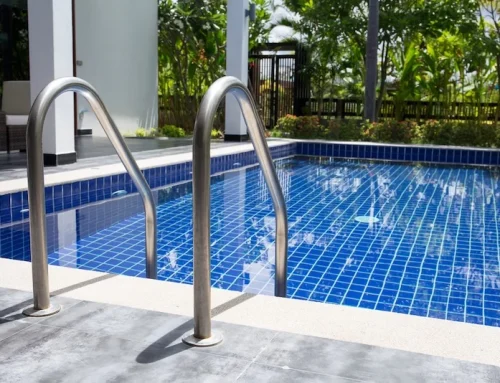
That fresh pool resurfacing job looks incredible. The color is even, the water feels cleaner, and the pool surface has that smooth, almost glass-like finish again. It finally feels like the swimming pool you wanted.
But this is the part most people don't realize.
The real risk doesn't happen during the pool resurfacing process. It happens right after. The first few days are when a newly resurfaced pool either cures properly or starts heading toward problems like discoloration, scaling, or a rough surface.
In Florida, especially in Sarasota and Naples, heat and sudden rain make things even more sensitive. One small mistake with water chemistry or timing can affect the entire surface.
This guide breaks down what actually matters, so you protect that new surface from day one.
Why the First 7 Days After Pool Resurfacing Matter Most
The first week after pool resurfacing is not downtime. It's the most active part of the curing process.
Your pool plaster, exposed aggregate, or even fiberglass pool resurfacing finish is still stabilizing across the entire surface. It hasn't fully hardened yet, which means it reacts quickly to pool water, pressure, and shifts in water chemistry.
The existing pool surface has already bonded to the pool shell. Now the goal is to protect that bond.
Here's where Florida changes things.
Extreme heat speeds up curing, but it also increases evaporation. That throws off the balance of water chemistry faster than expected. In Sarasota and Naples, warmer nights keep the resurfaced pool in a reactive state longer.
So while it looks finished, it's not fully set.
What you do during these first few weeks will determine whether your resurfacing project holds up—or starts showing issues early.
What to Do After Pool Resurfacing (The Right Way)
Right after a pool resurfacing project, it's easy to think the hard part is over. It's not. This is where proper pool maintenance actually begins.
These steps protect your pool finish while it's still curing and help avoid issues that can affect the entire pool later.
Follow the Startup Chemical Plan Exactly
No guessing here. Your contractor should give a clear startup plan. Stick to it. Proper water chemistry controls how the surface material cures.
You're managing:
- pH
- Alkalinity
- Calcium hardness
If pH drops too low, it can etch the pool plaster. If calcium is too high, you'll get scaling on the pool surface.
In Florida, fill water varies a lot depending on location. That's why balancing water chemistry early matters more than most people expect.
If you want a deeper breakdown of how prep and chemistry affect results, this guide on the pool resurfacing process explains where most problems actually start.
Brush the Pool Daily (Yes, Every Day)
This is the one people skip and regret. After you resurface a pool, fine plaster dust forms naturally. If it sits, it hardens and turns into a rough surface.
Stick with:
- Brushing 2x daily during the first week
- Focusing on steps, corners, and around pool tiles
- Using the right brush for your pool type
This helps remove plaster dust before it becomes permanent.
Keep the Water Level Consistent (Don’t Stop Mid-Fill)
When you begin filling, don't stop.
Stopping halfway creates a visible line across the entire surface. On finishes like marble sand or glass beads, that mark doesn't go away.
Pro tip (real Florida moment):
Let your neighbors know you're filling the pool. In some Sarasota and Naples neighborhoods, especially with HOAs, people have had hoses turned off because someone thought there was a leak. It happens more than you'd think.
Also, watch for rain. Sudden storms can:
- Overflow the pool
- Dilute water chemistry
- Interrupt the curing process.
Wait Before Swimming (Even If It Looks Ready)
You think it looks ready. It's not.
Most pool professionals recommend waiting 5–7 days before using the newly resurfaced pool. Early use can disrupt the smooth texture and affect how the pool finish sets.
If you've added upgrades like a pool heater or new filtration system, let everything stabilize first.
Run Your Filtration System Consistently
Keep water moving.
A steady water flow helps distribute chemicals evenly and prevents algae growth while the curing process continues.
This is part of proper maintenance, not just something you turn on occasionally.
What NOT to Do After Pool Resurfacing (This Is Where Damage Happens)
Most issues don't come from the install. They come from what happens after. These are the small mistakes that quietly damage your existing surface before you even realize it.
Don’t Add Salt Too Early
This one matters. If you have a salt system, wait at least 28 to 30 days before adding salt.
Adding it too early can damage the pool finish and interfere with the curing process, especially with pool plaster and exposed aggregate.
Avoid Automatic Pool Cleaners
They seem harmless, but they're not during the first few weeks.
Wheels and suction can mark a new surface, especially on softer finishes. That's how early wear patterns start forming.
Stick to manual brushing for now.
Don’t Let Chemicals Swing Out of Range
This is one of the fastest ways to damage a pool surface.
Watch for:
- High chlorine (can bleach pool paint or finishes)
- Low pH (causes etching)
- High calcium (leads to scaling)
Using harsh chemicals too early can affect the entire surface.
Don’t Ignore Early Stains or Discoloration
Some changes are normal. Others are not.
If you see:
- Streaking
- Blotchy patches
- Rust stains
Don't assume it will fix itself. These often point to water chemistry issues or problems during the resurfacing project.
Don’t Treat Every Pool Type the Same
Different finishes behave differently.
- Concrete pools need strict brushing.
- Fiberglass pools rely on a non-porous surface.
- Vinyl pools and vinyl liners follow different care rules.
Even finishes like epoxy paint or glass tile react differently during curing.
There's no one-size approach. Your pool type matters.
What’s Normal vs What’s a Red Flag After Resurfacing
Right after pool refinishing, things can look slightly off. That's normal.
You might see:
- Light cloudiness in the pool water
- Fine plaster dust buildup
- Slight color variation across the entire pool
With regular brushing and proper pool care, these fade.
But some signs shouldn't be ignored.
Red flags include:
- A rough surface forms quickly
- Discoloration is getting worse instead of better.
- Peeling or flaking on the pool finish
If the existing surface wasn't prepped correctly or water chemistry is off, problems show up early.
In Florida, minerals and heat amplify everything. In Sarasota and Naples, coastal conditions can speed up scaling or staining.
If it looks worse after a few days, that's not part of normal routine maintenance. It's something to address early.
How Florida Weather Can Ruin a New Pool Finish Faster
Florida weather doesn't wait. During the first few weeks, your newly resurfaced pool is more sensitive to changes. And here, changes happen daily.
- Afternoon rain dilutes water chemistry.
- Heat increases evaporation and mineral concentration.
- UV exposure speeds up surface reactions.
In Sarasota and Naples, coastal air adds another layer. Warmer nights keep the pool water more reactive, and airborne minerals can contribute to early scaling.
Even your pool deck and the surrounding pool area matter. Runoff during storms can carry debris into the swimming pool, affecting the entire surface.
This is why routine maintenance isn't optional here. You're not just maintaining a sparkling oasis. You're protecting the surface material from conditions that can shorten its lifespan.
When to Call a Professional (And Not Wait It Out)
Not everything fixes itself. If something feels off after your resurfacing project, don't wait too long. Small issues can turn into costly repairs fast.
Call a pool professional if you notice:
- Discoloration spreading
- A rough surface is getting worse.
- Persistent algae growth despite balanced water chemistry
Also, pay attention to your equipment. Poor water flow or an inconsistent filtration system affects how the entire pool cures.
If you're unsure whether it's normal or not, this guide on why surface prep impacts resurfacing results helps connect the dots.
In Florida, especially Sarasota and Naples, conditions move fast. Early action makes a difference.
Protect Your Pool Finish From Day One
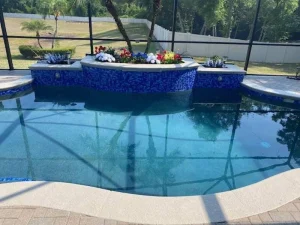
A pool resurfacing job isn't just about how it looks today. It's about how long it holds up.
The first few weeks matter more than most people expect. Stay consistent with proper maintenance, keep balancing water chemistry, and don't rush the process. That's how you protect that smooth texture and avoid early wear.
Your swimming pool is an investment. Treat it that way.
If something doesn't look right or you want a second set of eyes, Creative Resurfacing Solutions helps Florida homeowners protect their resurfaced pool, especially in areas like Sarasota and Naples, where conditions are tougher on surfaces.
A little attention early saves a lot later.