A fresh overlay can transform worn patios, driveways, and pool decks. Done right, concrete resurfacing restores color, texture, and durability without replacing the entire slab. Many Florida homeowners choose it because it’s a cost-effective way to improve aging outdoor spaces.
But sometimes a resurfacing project begins to fail much sooner than expected. Peeling coatings, new cracks, or uneven texture can appear within months. The first instinct is to blame the material or Florida’s weather.
In most cases, the real issue is simpler. The critical step that determines success is proper surface preparation. Without the right surface prep, the new surface layer never truly bonds to the existing concrete.
Think of it this way: resurfacing is not just spreading new material over a concrete surface. It’s a bonding process. When preparation is rushed or skipped, even premium overlays struggle to achieve long-lasting results.
What are the Common Signs Concrete Resurfacing Is Failing
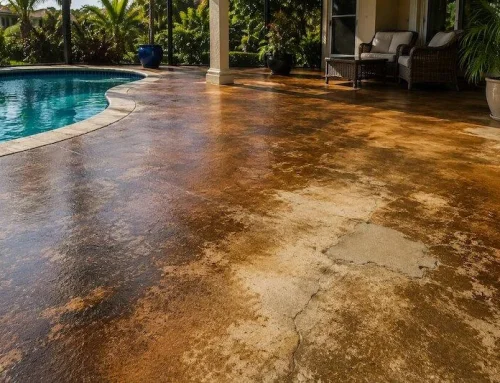
When a resurfacing job begins to deteriorate, the warning signs usually appear early. These problems often point to issues with surface preparation or bonding between the new overlay and the original substrate.
Homeowners across Florida often notice a few common indicators:
-
- Peeling or flaking coatings
-
- New cracks are forming in the surface layer.
-
- Hollow sound when tapping areas of the concrete surface
-
- Bubbling or lifting sections
-
- Visible uneven surfaces after the curing process
Sometimes the damage starts subtly. A driveway may initially look smooth, but within months, traffic and weather expose weaknesses in the bond between the existing concrete and the new layer.
If resurfacing was meant to restore a driveway or pool deck, premature wear can be frustrating. Understanding these early signals helps you address issues before the entire resurfacing concrete application breaks apart.
In some cases, problems appear when the overlay begins to separate from the slab. That type of failure directly impacts the expected lifespan of decorative coatings. This guide on driveway coating longevity explains what durable surfaces should realistically look like over time.
Why Surface Preparation Determines Whether Resurfacing Works
Concrete resurfacing success depends on one technical factor: bond strength.
For a new coating or overlay to last, it must chemically and mechanically bond with the concrete surface. That bond only forms when the surface prep stage removes contaminants and creates the texture needed for adhesion.
Without proper preparation, the resurfacing material simply sits on top of the slab instead of bonding into it. The finish may look perfect on day one, but traffic, moisture, and temperature shifts slowly weaken the connection beneath the surface layer.
In most resurfacing failures, one of these preparation issues is present:
-
- Contaminants like oil or dirt are blocking adhesion.
-
- A smooth surface with no mechanical profile
-
- Unrepaired cracks in the existing concrete
-
- Moisture is trapped inside the substrate.
Florida conditions make this even more important. Outdoor concrete surfaces collect humidity, algae, and pool chemicals. When these contaminants remain, the resurfacing process struggles to achieve the consistency needed for reliable bonding.
Professionals solve this by preparing the concrete surface through cleaning, grinding, and repair. These steps open the pores of the slab, allowing the new material to spread evenly and form a strong, durable bond.
The 5 Preparation Steps Many Failed Projects Skip
Many resurfacing problems start long before the new coating is applied. When contractors rush the surface prep, the entire resurfacing project is at risk.
Proper preparation involves several technical steps that ensure the new layer bonds securely to the existing concrete. Skipping even one step can reduce durability and shorten the lifespan of the finish.
1. Deep Cleaning the Concrete Surface
Outdoor concrete collects dirt, algae, and oil. These contaminants weaken adhesion.
Professionals typically clean the slab using a high-pressure pressure washer and specialized cleaners to expose a clean surface. Removing buildup is the first critical step toward reliable bonding.
2. Repairing Cracks and Structural Damage
Before resurfacing begins, visible cracks and damaged areas require proper concrete repair. If left untreated, these flaws can spread through the new coating.
Structural issues in the slab may require additional stabilization before the overlay is applied. This guide to concrete slab repair explains how underlying damage should be corrected before resurfacing.
3. Mechanical Grinding or Profiling
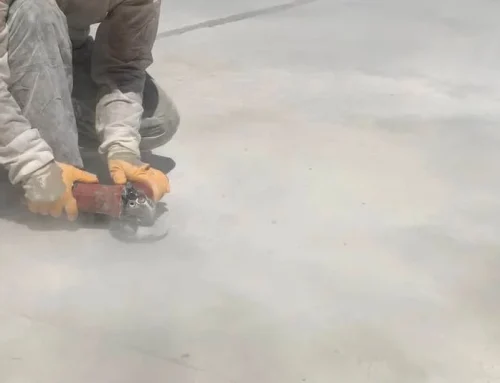
This step creates texture so the new material can properly bond. Mechanical grinding removes weak top layers and roughens the surface.
Skipping this stage is one of the most common installation mistakes.
You can see why professionals emphasize this stage why grinding concrete before resurfacing matters.
4. Moisture Testing
Florida humidity can trap moisture inside existing concrete. If resurfacing occurs while the slab contains excess moisture, the coating may blister during the curing process.
5. Applying Primers and Bonding Agents
A bonding primer improves adhesion between the new overlay and the concrete substrate. This essential step helps achieve uniformity and longevity in decorative coatings.
Florida Weather Makes Preparation Even More Important
Florida’s climate creates additional factors that affect resurfacing performance. High humidity, intense UV exposure, and sudden rainstorms all influence how coatings cure and bond.
When resurfacing occurs without adequate surface preparation, these environmental conditions can quickly cause the new layer to separate from the concrete surface. Moisture trapped beneath the coating may create bubbles, while heavy traffic can accelerate wear on weak areas.
Pool decks, patios, and driveways across Central Florida experience constant sun exposure. Without a properly prepared substrate, resurfacing materials struggle to maintain their appearance and durability.
Temperature swings also impact curing time. If contractors rush the curing process, the finish may not reach its intended strength.
Local conditions are why professionals carefully plan each resurfacing project. Weather timing, moisture testing, and correct mix ratios help ensure the new surface holds up over time.
You can also explore how climate impacts driveways in Florida in this guide on how weather affects concrete driveways.
Why Some Concrete Surfaces Cannot Be Resurfaced
Although resurfacing can restore many damaged areas, not every slab is a candidate for an overlay.
In some situations, the underlying concrete has deteriorated beyond the point where a new surface layer can reliably bond. Attempting to resurface these areas often leads to premature failure.
Common conditions that make resurfacing difficult include:
-
- Structural movement in the slab
-
- Severe scaling or erosion of the surface
-
- Large structural cracks
-
- Unstable or settling foundations
If the existing concrete lacks structural stability, resurfacing will only hide the problem temporarily. The new coating may initially look smooth, but the underlying damage eventually reappears.
In these cases, repair or replacement may be necessary before resurfacing becomes viable. For example, homeowners often compare resurfacing with other options when dealing with heavily worn driveways. This article on driveway resurfacing vs repaving explains when each approach makes sense.
How Professional Contractors Prevent Resurfacing Failures
Experienced contractors approach resurfacing differently from quick cosmetic repairs. Professionals understand that the surface preparation phase determines whether the final coating will last years or begin to fail quickly.
A typical professional installation process may include:
-
- Detailed inspection of the concrete surface
- Cleaning contaminants such as oil or algae
- Performing structural repair for damaged areas
- Mechanical grinding to open the substrate
- Applying bonding primer before the overlay
- Controlling the curing process to achieve maximum bond strength
This method ensures the resurfacing material spreads evenly across the surface and bonds properly to the slab.
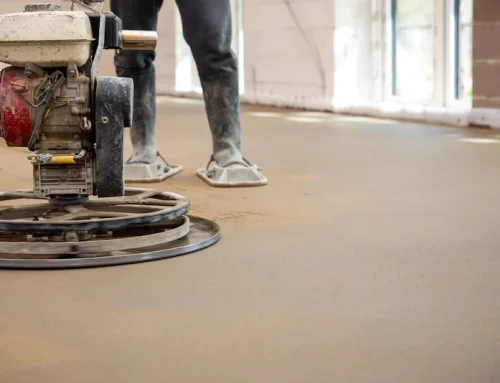
Professional crews also use specialized tools designed for concrete preparation. These machines help create consistent texture across large areas, which improves adhesion and enhances overall durability.
For homeowners planning resurfacing, choosing an experienced concrete resurfacing contractor can make a significant difference in project success.
When Concrete Resurfacing Is Still the Best Solution
Even with the risks associated with poor preparation, resurfacing remains a great option for many Florida properties. When the underlying slab is structurally sound, a properly installed overlay can dramatically improve the look and performance of aging concrete.
A well-planned concrete resurfacing project can:
-
- Restore worn patios and pool decks
-
- Improve traction on slippery surfaces
-
- Enhance decorative appearance with stamped or stained finishes
-
- Extend the life of existing concrete without full replacement
Many homeowners also choose resurfacing because it provides a cost effective way to modernize outdoor spaces. Decorative finishes such as textured overlays or color coatings can completely transform a patio or driveway.
For example, resurfacing is commonly used to update older pool decks that have faded or become rough under foot. When preparation and installation are done correctly, resurfacing delivers long lasting results while avoiding the disruption of tearing out the entire slab.
Why Preparation Is the Hidden Factor Behind Long-Lasting Concrete
When you hear about resurfacing failures, the conversation often focuses on the coating itself. In reality, the success of concrete resurfacing almost always depends on what happens before the overlay is applied.
Preparation determines whether the new layer bonds properly with the existing concrete. Without that bond, the coating eventually begins to break, peel, or wear away under normal traffic.
Proper cleaning, crack repair, mechanical grinding, and careful curing all contribute to the longevity of the finished surface. These steps may not be visible once the project is complete, but they are the key to achieving reliable performance.
At Creative Resurfacing Solutions, the team approaches every resurfacing job with this preparation-first mindset. Careful evaluation of the slab, professional surface prep, and the right materials help ensure the finished surface delivers both durability and visual appeal.
If a concrete surface around your home needs attention, reaching out for professional guidance can help ensure the next resurfacing project is done right.