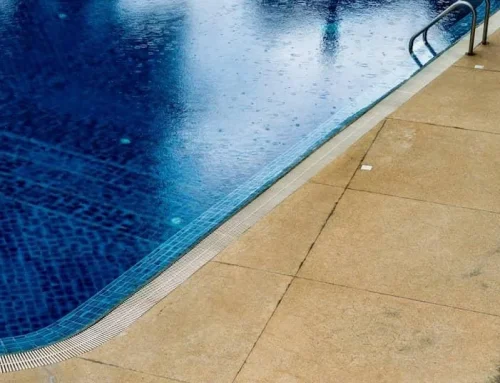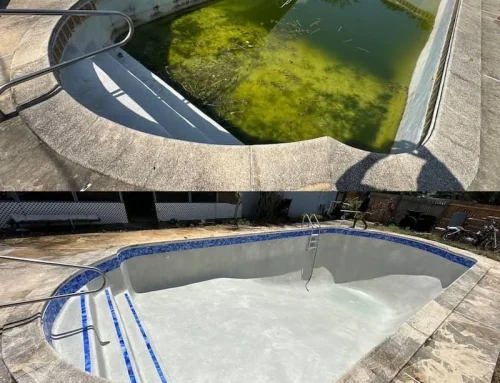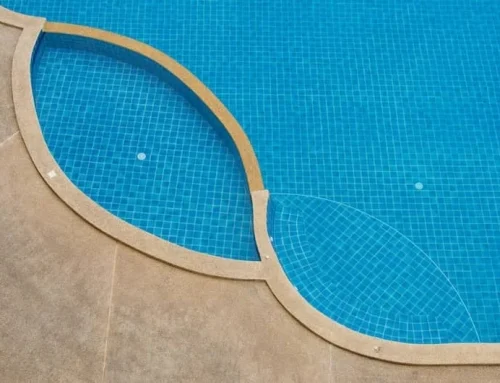
Constant sun, heavy humidity, and mineral-rich water in West Palm Beach wear down pool surfaces faster than you can expect. You will start to see rough patches. Adding up also the fading color or small cracks that keep growing. It’s a warning sign that repair costs could climb fast. So, the smart move is to act early.
A professional pool resurfacing process does more than fix rough spots.
It gives your pool a second life. It smooths the surface, seals out damage, and keeps the waterline looking sharp again. Once you know what happens during each phase, it’s easier to plan ahead and avoid delays.
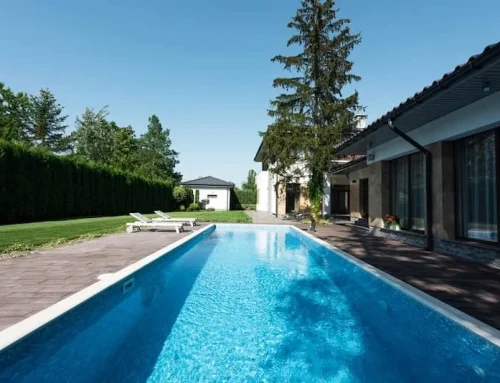
In the end, you’re left with something simple: a pool that feels good, looks clean, and holds up through Florida’s long swim seasons.
What Pool Resurfacing Actually Involves
After years of use, even a well-kept pool in West Palm Beach begins to lose its smooth texture. The surface loses its shine, the color fades, and the pool stops standing out in your backyard. That’s when most homeowners consider pool resurfacing. Removing the old finish and adding a new waterproof layer to the pool shell.
Why Pools in West Palm Beach Wear Faster
As you may personally experience this, West Palm Beach pools take daily hits from sun. Add up the humidity and mineral-rich water in the area. These factors slowly break down the existing surface, creating rough texture, stains, or loose plaster. Salt systems and chemical treatments can also speed up wear. This is especially on concrete pools and pool tile. The local water and heat cause the pool shell and finish to wear out faster than in cooler areas.
Signs Your Pool Needs Resurfacing
Cracks along the waterline, faded spots where plaster or pebbles show through, and stains that don’t lift with cleaning are all warning signs. If you also notice algae that keeps coming back or plaster starting to peel, the concrete shell underneath may already be breaking down. When the pool water looks cloudy even after balancing chemicals, resurfacing is usually the next step.
The Core Resurfacing Finishes: Plaster, Aggregate, and Quartz
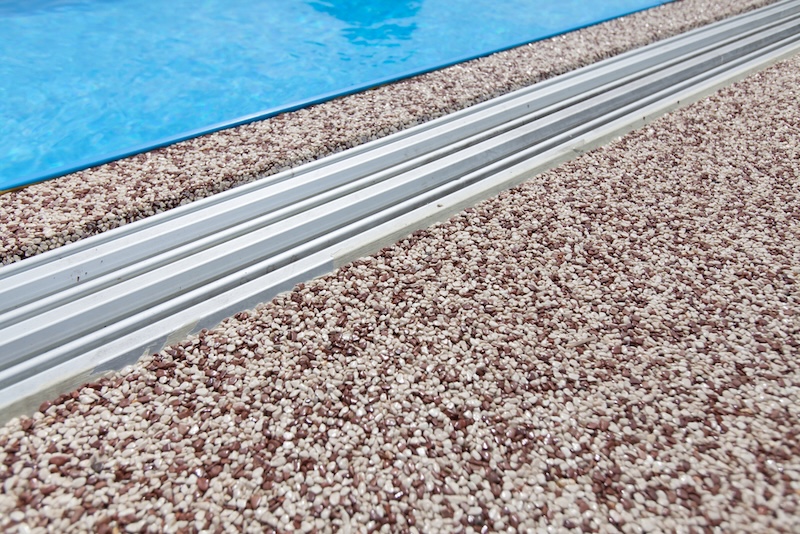
When planning resurfacing, you’ll need to pick a new pool finish. That choice decides how your pool looks, feels, and holds up over time. Most pool professionals use three main types of pool resurfacing materials: plaster, pebble, and quartz.
-
- Plaster: This is the classic option. It’s smooth, bright, and budget-friendly. It gives that clean white or soft gray color most South Florida pools have, though it needs more upkeep over the years.
-
- Pebble Finishes: Pebble finishes mix small stones into the cement to add strength and texture. They hold up longer, resist stains, and give the surface a natural feel.
-
- Quartz Finishes: It’s a blend of plaster and quartz chips that adds color and durability without the rough feel of full pebble mixes. It’s a solid middle ground for many homeowners.
Resurfacing vs. Full Renovation — Key Differences
The pool resurfacing process focuses exclusively on restoring the finish of the entire pool, not reshaping it.
A renovation, on the other hand, may involve redesigning the pool area, replacing coping, or changing depth. Just remember that resurfacing remains the affordable option for most pool owners. Especially if you are seeking a smooth finish and a clean, beautiful pool in West Palm Beach without altering its structure.
Step 1 . Draining and Preparing the Pool
Every pool resurfacing process begins with draining the water safely. In Palm Beach County, professionals use approved discharge routes to prevent flooding and chemical runoff.
Once the pool is empty, the crew inspects the surface and the pool shell for cracks, hollow spots, or structural issues. Equipment, decking, and coping are covered to protect the surrounding area. This first step sets the stage for a clean, controlled workspace before any resurfacing work starts.
Step 2 . Surface Cleaning and Chipping Out
Once the pool is drained, the crew strips away old plaster and any weak spots in the coating. They use pressure tools and small chisels to reach a firm, even base so the new surface attaches securely.
An acid wash follows to remove minerals, algae, and residue left behind. This deep cleaning leaves the existing pool surface ready for the next layer.
Step 3 . Applying the Bond Coat
After cleaning and prep, crews spread a thin bond coat over the concrete shell. This layer helps the new surface grip firmly and stay in place over time. It’s sprayed or rolled on carefully to cover every section of the pool. In Florida’s heat, it usually sets fast, though high humidity can stretch the drying time.
Step 4 . Installing the New Surface Material
After the bond coat sets, crews start adding the new surface. Depending on your pool resurfacing project, this might be plaster, pebble, quartz, or a polished finish. The material is troweled carefully to create a smooth surface. Weather matters here. The high heat or direct sun can affect how quickly the finish sets and how smooth it dries.
Step 5. Filling and Initial Water Balance
After the surface sets, the crew starts filling the pool. Water runs until it reaches the middle of the tile line. Stopping early can leave marks or uneven color. For the first two days, the team tests the pH, alkalinity, and calcium levels often. Keeping balance protects the new plaster from scaling or etching.
Step 6 . The 30-Day Surface Cure Period
The next few weeks are for curing. The crew brushes the pool every day to clear dust and help the surface set. The finish needs time to get hard and smooth. Heavy tools and pool vacuums stay out until it’s firm. Florida’s heat helps it dry faster, but high humidity can slow it down.
Cost Factors Homeowners Should Expect
Once the surface has cured, the next thing that usually comes to mind is cost. Every pool is different, so pricing depends on what’s needed to bring yours back in shape. Materials, labor, and a few hidden details like repairs or tile work can change the total. In West Palm Beach, most professionals walk you through the estimate first, so you know exactly what’s included before the pool resurfacing process starts.
|
Cost Factor |
Details |
|---|---|
|
Material Costs |
Plaster is the most affordable option, while pebble and quartz finishes cost more but last longer and resist stains. |
|
Labor & Equipment |
Skilled crews, tools, and safety gear add to overall cost. Local rates in West Palm Beach may run higher during busy seasons. |
|
Drainage, Repairs & Upgrades |
Extra work like fixing cracks, replacing tiles, or adding LED lighting increases the final price but improves the pool’s lifespan and appearance. |
Selecting a Reliable Pool Resurfacing Contractor in West Palm Beach
Once you understand the pool resurfacing process and costs, the next step is choosing the right contractor. The goal is simple, hire a team that’s licensed, experienced, and stands behind its work.
-
- Licensing and Local Experience Make sure the company is licensed in Palm Beach County and has handled projects in similar outdoor living spaces. Local experience means fewer mistakes with water chemistry, weather, and surface prep.
- Warranty and Material Certifications
A good contractor provides written warranties and uses certified materials like quality pool plaster or pebble finishes. - Key Questions to Ask During Your Quote
-
-
How long will the project take?
-
What surface materials are recommended?
-
Is cleanup and disposal included in the estimate?
-
Making the Most of Your Pool Resurfacing Process
A well-done resurfacing can completely change how your pool looks and feels in West Palm Beach. It smooths rough spots, covers stains, and helps prevent bigger damage later.
So before starting, it’s smart to have a professional look at the surface and point out what really needs fixing. Every pool is different, and the right material depends on its age, size, and daily use.
In West Palm Beach, Creative Resurfacing Solutions handles each job with care and clear communication. If you see signs of wear, reach out for a quote and get honest advice on how to bring it back to life.