Choosing the right pool deck colors is about more than picking a shade you like. The color has to work with your home's exterior, swimming pool, landscaping, and the amount of Florida sun your deck receives.
Light neutrals can create a bright, open look, while grays, earth tones, and warmer shades can give the pool area more contrast and character. Color can also influence how much solar energy a surface absorbs, although the coating material, finish, and sun exposure also affect how hot the deck becomes.
Whether you're resurfacing an existing concrete pool deck or planning a new finish, comparing colors in the actual outdoor setting can help you choose a combination that looks right around your home.
Understanding Pool Deck Colors
The Psychology of Color in Outdoor Spaces
Ever noticed how certain pool deck colors make you feel relaxed while others energize you? That's the psychology of color at work, transforming your pool area into a serene backyard oasis or a vibrant social hub.
Soft blues and greens mimic the calming essence of nature, making them a good fit when you want a more tranquil outdoor space. In contrast, warm terracottas or stronger accent colors can give your pool area a more energetic, distinctive appearance. The goal is to choose a color that fits both the atmosphere you want to create and the existing features around your pool.
Climate Considerations
Florida's strong sunlight makes color an important practical consideration. Lighter pool deck colors generally absorb less solar energy than darker colors with otherwise similar surface properties, which can help reduce heat buildup.
Color isn't the only factor, though. Surface temperature also depends on the coating composition, solar reflectance, texture, direct sun exposure, and surrounding shade.
Fading is another consideration. Florida pool decks receive strong UV exposure throughout the year, so the quality and UV stability of the coating system matter along with the color you choose.
When comparing colors, don't judge them from an indoor sample alone. Look at samples outdoors and, when possible, compare them in both direct sunlight and shade.
Popular Pool Deck Colors and Their Effects
Choosing the right pool deck colors can transform your outdoor space into a personal retreat or a vibrant gathering spot. It's all about finding the hue that complements your lifestyle and the natural beauty of your surroundings.
Neutral Tones: Elegance and Versatility
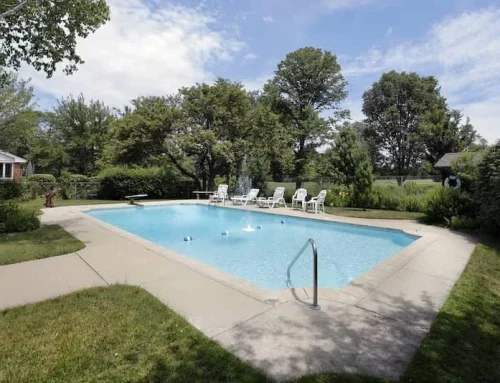
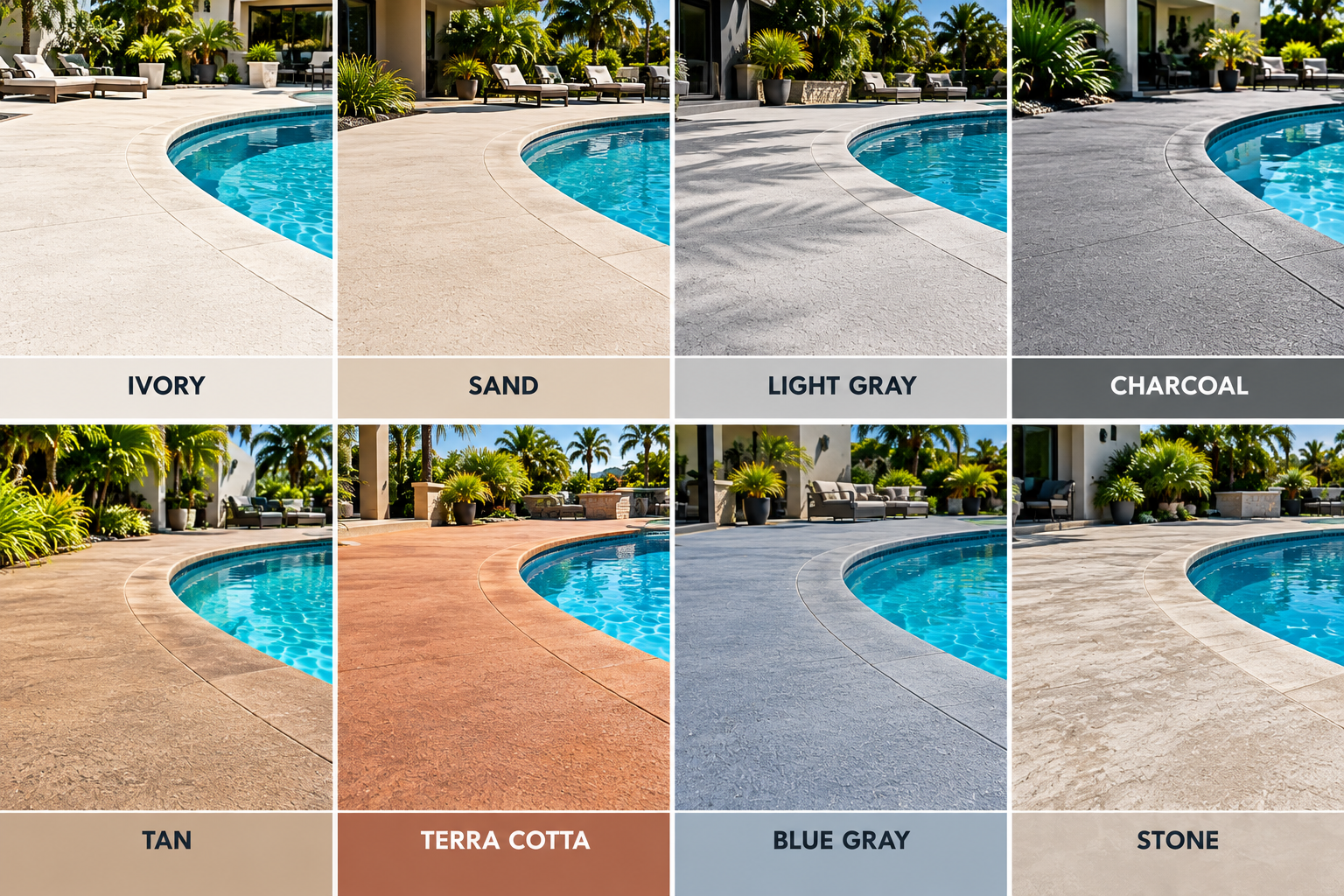
Opting for neutral tones like beige, gray, and sand on your concrete pool deck offers timeless elegance that blends seamlessly with almost any outdoor decor. These shades provide a versatile backdrop for patio furniture and landscaping, allowing other features of your outdoor space to stand out.
Some neutral shades can also make everyday dust, water spots, and minor surface marks less noticeable. For Florida homes, light neutrals are especially useful when you want a bright pool area without committing to a strong accent color.
Cool Colors: Creating a Serene Oasis
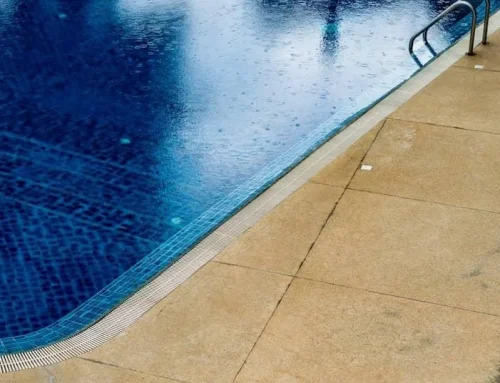
Imagine dipping your toes into a pool surrounded by cool blues and greens. These pool deck hues echo the tranquility of water, helping create a serene oasis that invites relaxation. They can also create a visual connection between the swimming pool and surrounding deck.
However, you don't necessarily need to match the pool water exactly. Muted blue-gray, soft gray, or subtle green undertones can provide the same cool visual effect while remaining easier to coordinate with your home's exterior.
Warm Colors: Inviting and Vibrant Spaces
Warm colors like terracotta, tan, and brown bring an inviting, earthy feel to your pool decking. They evoke the appearance of sun-soaked clay and natural stone, creating a comfortable atmosphere that works especially well with tropical landscaping, earth-toned exteriors, and traditional outdoor designs.
Darker warm colors can absorb more solar energy than lighter alternatives, so consider how much direct sunlight your pool deck receives before committing to a deeper shade.
Material Matters: Color Options for Different Decking
The right pool deck colors can significantly impact your outdoor space's look and feel, but the material of your deck also plays an important role. Different surfaces accept color and finishes differently, so the material surrounding your swimming pool should be part of the decision.
Concrete Pool Decks
Concrete pool decks are like chameleons. They can adapt to almost any style you envision. With stains, coatings, overlays, and other decorative finishes, you can create everything from sleek gray surfaces to warm earth-toned designs.
This flexibility makes concrete particularly useful when you're updating an existing pool deck and want the new surface to coordinate with your home, landscaping, and swimming pool. Explore our pool deck resurfacing options to see available solutions for outdoor concrete surfaces.
Pavers and Stone
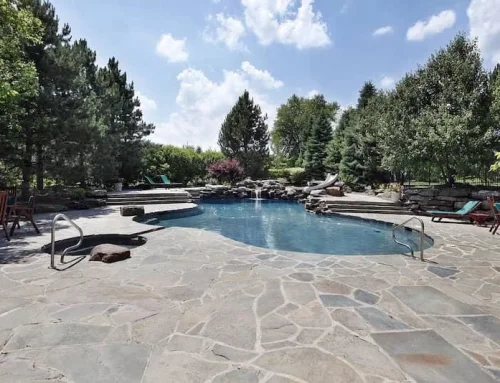
For those who lean toward a more natural aesthetic, pavers and stone offer a palette of earthy tones that blend harmoniously with the outdoor environment. From sandy limestone hues to deeper shades of slate, these materials can create a classic look that feels like a natural extension of the surrounding landscape.
If pavers or natural stone border your concrete pool deck, use their dominant colors and undertones as reference points when choosing the color of your resurfaced concrete. You don't have to match them exactly. A complementary shade can create a more natural transition between the different surfaces.
Wood and Composite Decking
Wood and composite decking offer their own range of natural and manufactured colors. If these materials border your concrete pool area, consider their undertones when selecting a resurfacing color so the different surfaces work together rather than compete visually.
For example, warm wood tones may coordinate naturally with beige, sand, or other earth-toned concrete finishes, while gray composite decking may work better with cooler neutral colors.
Design Strategies for Pool Deck Colors
Choosing the right pool deck colors is more than just picking your favorite shade. It's about creating a cohesive look that enhances your outdoor space. Here are a few factors to consider before making the final choice:
- Harmonize With Your Home: Select deck colors that complement your home's exterior. If your house is painted in cooler tones, consider shades of gray or other cool neutrals for your concrete deck. Warm-toned homes often pair naturally with beige, sand, tan, or terracotta. You don't need an exact match—in many cases, choosing a complementary shade creates more visual depth than using the same color everywhere.
- Embrace Contrasts: Don't shy away from using contrasting colors to add visual interest. A pool deck in a slightly darker hue against a light-colored home can create definition, while a lighter deck can provide contrast against darker exterior finishes. The key is making the contrast intentional rather than choosing colors independently.
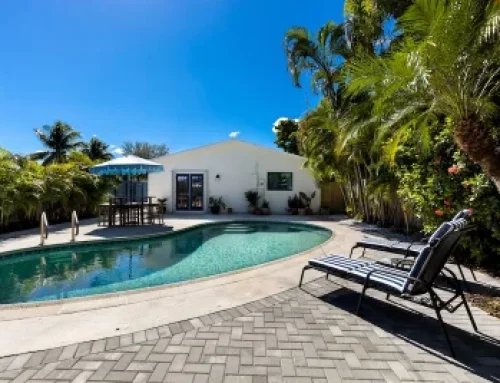
- Consider Greenery: The colors of your landscaping also play a significant role. Lush green plants can make neutral and earth-toned deck colors stand out, while tropical landscaping often pairs naturally with sandy beige, tan, and warm stone-inspired shades. Look at the permanent landscaping around your pool rather than temporary decorations when making your decision.
- Consider the Pool Water: Your swimming pool itself should also be part of the color decision. Light neutrals can create a bright transition around blue water, while warmer or darker colors produce stronger contrast. The color of the pool interior can also influence how the water appears, so evaluate the deck color next to the actual pool rather than viewing it in isolation. You can also compare pool interior colors when coordinating the water, deck, and surrounding outdoor space.
The right pool deck colors can transform your pool area into a seamless extension of your living space.
How Pool Deck Texture Can Change the Appearance of Color
Color is only part of the finished appearance. The surface profile can change how light and shadow fall across the deck, making the same shade look different from one finish to another. If you're comparing finishes as well as colors, see our guide to pool deck texture options before choosing your final combination.
A smoother or lightly textured finish may produce a more uniform appearance, while pronounced textures can create highlights and shadows that make a color look more varied throughout the day. If you're comparing finishes as well as colors, see our guide to pool deck texture options before choosing your final combination.
You don't need to choose texture based on color alone. Instead, consider how the two work together while also evaluating traction, barefoot comfort, maintenance, and the condition of the existing concrete.
Compare Pool Deck Colors in the Actual Space
A color shown on a website, brochure, or small sample may look different once it's applied across an entire pool deck. Florida's intense sunlight can make colors appear brighter outdoors, while shaded areas may bring out different undertones.
Before settling on a color, compare samples near the actual pool and look at them at different times of day. Pay attention to how each option works with:
- Your home's exterior color
- Pool water and interior finish
- Landscaping
- Pavers or neighboring surfaces
- Patio furniture and permanent outdoor features
- Areas of direct sunlight and shade
If you're deciding between several similar colors, viewing them in the actual setting can be much more useful than comparing them indoors.
Consult Pool Deck Contractors Before Making the Final Choice
Color samples can look very different outdoors than they do on a screen or inside a showroom. Direct Florida sunlight, shade, surrounding landscaping, pool water, and the texture of the finished surface can all change how a color appears. Before making your final choice, compare samples against your home's exterior and existing outdoor features.
If you're resurfacing an older concrete deck, the condition of that surface and the coating system being installed may also affect which color options are available. Creative Resurfacing Solutions can help you compare pool deck colors, finishes, and resurfacing systems that fit the existing concrete and the overall design of your outdoor space.
Taking the time to compare those options before resurfacing can help you choose a pool deck color that looks intentional rather than simply attractive on a sample.