A driveway coating can protect your concrete for years, but Florida's heat, heavy rain, and daily vehicle traffic can shorten its lifespan faster than you expect. When the surface starts fading, peeling, or developing cracks, the problem may have started long before you noticed any damage. Poor preparation, trapped moisture, and the wrong coating material can all lead to early failure.
That leaves you facing another expense when you thought your driveway was already protected.
The good news is that many coating problems are preventable. Once you understand what affects driveway coating lifespan, you can make better choices about materials, installation, and maintenance. You can also recognize when a small repair is enough and when resurfacing makes more financial sense.
How Long Should a Driveway Coating Last in Florida?
There isn't one lifespan that applies to every driveway coating. Some basic decorative paints may need attention after only a few years, while properly installed resurfacing systems can last considerably longer.
The difference comes down to:
- Coating material
- Surface preparation
- Environmental exposure
- Usage patterns
For example, a driveway that sits in direct afternoon sunlight faces different conditions than one shaded by trees. A surface used by several vehicles every day also experiences more wear than a lightly used residential driveway.
3 Florida Conditions That Affect Lifespan
- Strong sunlight: Constant UV exposure can fade colors and gradually weaken coatings that lack adequate UV resistance.
- Frequent rain: Poor drainage and water intrusion can affect coating adhesion, especially where cracks or weak spots already exist.
- High humidity: Moisture in the concrete and humid application conditions can interfere with proper drying or curing.
You should also distinguish between driveway paint, protective sealers, and decorative concrete resurfacing systems. These products do not provide the same thickness, performance, or expected service life.
A coating that looks affordable upfront may cost more over time if it requires frequent repairs or reapplication.
Key Takeaway: Before choosing a product, ask what lifespan you can reasonably expect under your driveway's actual conditions. A professional should be able to explain the system's limitations, maintenance requirements, and whether your existing concrete is suitable for coating.
Key Environmental Factors That Reduce Coating Life
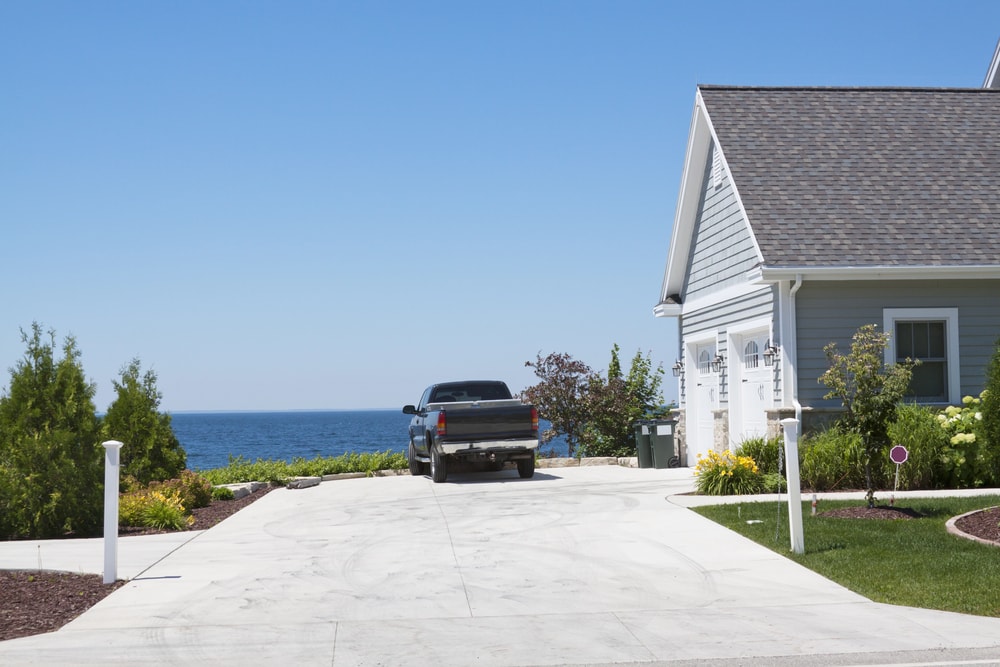
What Environmental Factors Shorten Driveway Coating Life?
Florida weather can be especially demanding on exposed concrete surfaces. Even a quality coating can deteriorate when the underlying conditions are not addressed.
1. Constant Sun Exposure and Surface Heat
Your driveway absorbs heat throughout the day. Darker surfaces exposed to direct sunlight can become considerably hotter than the surrounding air. That heat places stress on the coating, particularly when combined with intense UV exposure.
Over time, you may notice:
- Fading or uneven color
- A dull or chalky surface
- Reduced gloss
- Peeling or loss of adhesion
- Small cracks around weakened areas
Not every coating reacts the same way. Some exterior-rated materials are designed to resist UV exposure, while others may discolor or degrade faster in direct sunlight. For Florida driveways, UV resistance should be part of your material selection rather than an afterthought.
2. Heavy Rain and Water Intrusion
Rainwater doesn't automatically damage a properly installed driveway coating. Problems develop when water reaches vulnerable areas or becomes trapped beneath a coating.
A crack, poorly prepared surface, or drainage issue can allow moisture to reach the concrete below. When that moisture interferes with the bond between the coating and concrete, you may see bubbling, peeling, or sections beginning to lift. Standing water makes matters worse by keeping vulnerable areas wet for extended periods.
Pay attention to puddles that remain after storms, particularly near garage entrances, low spots, and existing cracks.
3. Humidity and Moisture During Installation
Florida humidity matters during installation, too.
High humidity can slow the drying time of certain coating materials. Excess moisture within the concrete can also prevent some systems from bonding correctly. Applying a coating shortly after heavy rain may create problems even when the driveway looks dry. Concrete can retain moisture below the surface long after visible water disappears.
A qualified installer should check the substrate and follow the coating manufacturer's temperature, moisture, and curing requirements.
For a closer look at weather-related deterioration, our guide to how weather affects your concrete driveway explains other conditions that contribute to surface damage.
How Different Driveway Coatings Affect Lifespan
Not all driveway coatings offer the same protection. Understanding the differences helps you avoid choosing a material based only on appearance or price.
|
Coating Type |
Key Characteristics & Performance |
Best Use / Considerations |
|
Acrylic Coatings & Sealers |
Enhances color and provides a protective finish; good UV resistance depending on formulation. |
Thin decorative sealers require periodic reapplication; verify heavy-traffic rating before selection. |
|
Epoxy Coatings |
Strong adhesion, chemical resistance, and durable finish. |
Conventional epoxy yellows/chalks in sun. Requires a UV-resistant topcoat for exterior vehicle use. |
|
Polyurethane Coatings |
Strong abrasion resistance and superior UV stability compared to standard epoxy. |
Performance depends heavily on substrate, formulation, and compatibility with base layers. |
|
Decorative Concrete Resurfacing |
Cement-based overlay with protective finishes; creates a new decorative surface over existing concrete. |
Long-lasting alternative to paint, but cannot resolve underlying structural movement or active cracks. |
The best material is the one that matches your driveway's condition, exposure, and intended use.
Why Surface Preparation and Application Quality Matter
Even an expensive coating can fail early when the concrete underneath isn't prepared correctly. Your driveway may look clean from a distance, but oil residue, old sealer, dust, and loose material can interfere with adhesion. A coating needs a sound, properly prepared surface to perform as intended.
Cleaning and Repairing the Existing Concrete
Before applying a new coating, the contractor should evaluate the condition of your driveway. Preparation may include:
- Removing dirt, grease, and automotive fluids
- Stripping incompatible or failing coatings
- Repairing suitable cracks and damaged areas
- Mechanically preparing the concrete where required
- Checking for moisture and drainage problems
- Removing loose material before application
Crack repairs deserve special attention. Simply spreading coating material over an active crack won't stop the concrete from moving. The crack may eventually return through the new finish. A professional should determine whether the damage is cosmetic or related to a more serious concrete problem.
Proper Coverage and Application
Different coating materials require different application methods. Depending on the system, contractors may use rollers, sprayers, application squeegees, or specialized resurfacing equipment.
Coverage also matters. A product may specify a particular number of square feet per gallon, but that figure depends on surface texture, porosity, and the required coating thickness. Stretching one gallon beyond its recommended coverage can leave the protective layer too thin. Applying excessive material can also cause problems with drying or curing.
For best results, the installer needs to follow the product's requirements rather than relying on guesswork.
Allowing Enough Drying and Curing Time
A driveway that feels dry isn't necessarily ready for vehicle traffic. Some coatings require additional curing time before they can handle tire pressure, turning movements, or parked vehicles.
Temperature and humidity can affect this process. Rushing installation or allowing vehicles onto the driveway too early can damage the finish before it reaches its intended strength. This is one reason professional installation often provides more predictable results than DIY projects, particularly when multiple preparation and coating steps are involved.
How Traffic and Everyday Use Wear Down Coatings
Your driveway experiences mechanical stress every time a vehicle enters, parks, or turns. The amount of wear depends on how frequently you use it, the vehicles involved, and the coating's ability to handle those conditions.
Heavy Vehicles and Repeated Tire Pressure
A driveway used by passenger cars faces different demands than one regularly supporting delivery trucks, trailers, or heavier vehicles. Repeated loads can increase stress on the concrete and its protective coating.
Turning tires while a vehicle is stationary can also place considerable friction on the finish. You may first notice wear where vehicles commonly stop, turn, or park. Those areas often deserve closer inspection during routine maintenance.
Oil, Fuel, and Other Automotive Fluids
Automotive fluids are another concern. Oil, gasoline, and certain chemicals can stain or damage some driveway coatings, especially when spills remain on the surface.
Chemical resistance varies by material, so don't assume every sealed driveway can withstand prolonged exposure. Clean spills promptly using products approved for your particular finish. Avoid aggressive solvents or degreasers unless the coating manufacturer confirms they're safe.
Residential Driveways Versus Parking Lots
Coatings used on commercial parking lots or heavily traveled pavement may need different performance characteristics than those used on residential driveways. The same applies to walkways, patios, and other concrete surfaces.
A material suitable for light foot traffic may not withstand repeated vehicle loading. When comparing products, focus on their intended application instead of assuming one coating works equally well everywhere.
Common Mistakes That Shorten Driveway Coating Lifespan
Many early coating failures start with decisions that seem harmless at the time. A rushed installation, overlooked crack, or unsuitable cleaning product can create problems months later. Here are some mistakes worth avoiding:
- Coating over damaged concrete — A fresh finish can hide minor surface imperfections, but it won't stabilize loose or structurally damaged concrete. Existing problems should be evaluated before installation.
- Ignoring drainage problems — Water collecting near cracks or low spots can increase the risk of moisture-related damage. Fixing drainage issues may be necessary before recoating.
- Choosing the cheapest material without checking suitability — A low-cost driveway paint or sealer may not provide the durability you need for Florida sunlight and daily vehicle traffic.
- Applying coatings in unsuitable weather — Extreme surface temperatures, rain, and excessive moisture can interfere with application and curing. Follow the manufacturer's stated conditions.
- Using harsh cleaning chemicals — Strong cleaners may damage certain protective finishes. Pick cleaning products that are compatible with your coating.
- Delaying small repairs — A loose coating edge or growing crack may be easier to address early. Waiting can allow damage to spread and increase repair costs.
If you're planning a new project, reviewing common driveway resurfacing mistakes before installation can help you avoid preventable problems.
How to Extend the Life of Your Driveway Coating
Once your driveway is properly coated, routine care becomes your best defense against premature wear. You don't need complicated maintenance, but consistency matters.
Keep the Surface Clean
Remove leaves, dirt, sand, and debris before they accumulate. For routine cleaning, use a soft-bristle brush, water, and a mild cleaner approved for the coating.
If pressure washing is permitted, follow the manufacturer's recommendations for pressure and nozzle distance. Aggressive spray pressure can damage certain finishes, particularly near weakened edges.
Inspect Your Driveway Regularly
Walk across your driveway periodically and look for changes. Check for:
- Peeling or bubbling
- Cracks that are widening
- Fading or unusual discoloration
- Areas where the finish has worn away
- Standing water after rainfall
- Loose coating around previous repairs
Regular inspections help you identify problems while they're still manageable.
Address Spills and Damage Promptly
Clean oil and other automotive spills as soon as practical. If you notice a damaged section, avoid covering it with random paint or sealant. The repair material needs to be compatible with the existing system; otherwise, you could create another adhesion problem.
Follow the Correct Maintenance Schedule
Some driveway sealers require periodic reapplication, while other coating systems have different maintenance requirements. There isn't a universal schedule that works for every driveway.
Ask your contractor what maintenance the installed material needs and which signs indicate that recoating may be necessary. A little preventive care can help you maintain the surface without paying for unnecessary treatments.
When Should You Repair, Recoat, or Resurface Your Driveway?
Not every damaged driveway needs a complete resurfacing project. The right decision depends on whether the problem affects the coating, the concrete underneath, or both.
When a Minor Repair May Be Enough
Localized damage may be repairable when the surrounding coating remains firmly bonded, and the underlying concrete is sound. For example, a small damaged section or isolated coating defect may not justify replacing the entire finish. However, the repair must address the cause of the damage, not simply cover it.
When Recoating Makes Sense
Recoating may be appropriate when the existing finish has worn down, but the concrete remains stable. The contractor will need to determine whether the old coating can support another compatible layer or must be removed first. Widespread fading alone doesn't always mean the driveway needs a new overlay.
When Resurfacing Is the Better Option
Resurfacing may be worth considering when the driveway has widespread surface deterioration, multiple worn areas, or an existing finish that can no longer be repaired economically. A decorative overlay can restore the appearance of suitable concrete without requiring complete driveway replacement. However, serious structural cracks, settlement, or unstable sections may require more extensive concrete repairs.
If you're considering driveway resurfacing services in Tampa or driveway resurfacing services in Orlando, a professional evaluation can help you understand which options suit your existing concrete and whether resurfacing is a practical alternative to replacement.
Before committing to a project, compare the condition of your driveway with the expected cost and service life of each option. The lowest upfront price isn't necessarily the most economical choice if the same problems return soon afterward.
Protect Your Driveway With Professional Resurfacing
Your driveway coating's lifespan depends on more than the material applied to the surface. Florida weather, daily traffic, concrete condition, and installation quality all affect how long the finish performs. When you understand those factors, you can make better decisions about repairs, maintenance, and future resurfacing.
At Creative Resurfacing Solutions, we help Florida homeowners evaluate worn concrete surfaces and choose resurfacing options suited to their property's needs. Whether you're dealing with peeling coatings, faded finishes, or an aging driveway, the first step is understanding what's causing the damage.
Contact Creative Resurfacing Solutions today for a professional driveway evaluation and estimate. You can discuss your options before investing in another coating that may not address the underlying problem.
Frequently Asked Questions
How long does driveway coating typically last?
Driveway coating lifespan varies by material, installation quality, vehicle traffic, and weather exposure. Basic decorative paints may require more frequent maintenance than professionally installed exterior resurfacing systems. Ask for the expected service life and maintenance requirements of the specific system being considered.
Does Florida heat damage driveway coatings?
Yes. Prolonged UV exposure and high surface temperatures can contribute to fading, chalking, and deterioration in coatings that aren't designed for those conditions. Choosing an exterior-rated system with suitable UV resistance can reduce these risks.
Can you apply a new coating over an old driveway coating?
Sometimes, but only when the existing finish is sound and compatible with the new material. Peeling, loose, or contaminated coatings generally need appropriate removal or preparation before recoating.
Is epoxy a good coating for an outdoor driveway?
Not every epoxy coating is suitable for outdoor exposure. Conventional epoxy can discolor or chalk under strong sunlight. If you're considering epoxy for a Florida driveway, confirm that the complete system is rated for exterior use and vehicle traffic.
How do you know when a driveway needs resurfacing?
Widespread coating failure, extensive surface wear, repeated repair problems, and deteriorating decorative finishes may indicate that resurfacing is worth considering. The underlying concrete should be inspected first to determine whether it can support a new overlay.
Can regular maintenance extend driveway coating lifespan?
Yes. Removing debris, cleaning spills promptly, checking for cracks, and following the manufacturer's maintenance instructions can help prevent avoidable deterioration. Maintenance cannot correct poor installation or structural damage, but it can help preserve a properly installed coating.
For local driveway conditions and material choices, concrete resurfacing services in Sarasota can help homeowners plan a coating that lasts.