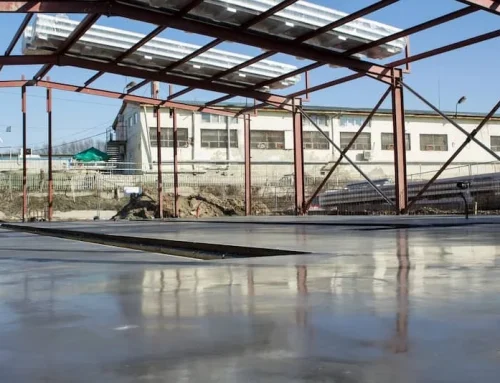
Search “epoxy floor after 5 years”, and you’ll see two extremes. Either glowing showroom photos that look untouched… or horror stories about peeling and yellowing.
Reality sits somewhere in the middle.
In Florida, epoxy floors don’t fail overnight. They evolve. Gloss softens in traffic lanes. Texture flattens slightly in garage tire paths. On balconies, UV exposure can shift tone in the most sun-hit areas. None of that means the system failed. It means it’s been used.
If you’re wondering what an epoxy floor actually looks like after five years, not in a lab, not in a brochure, this guide breaks down what typically changes, what’s normal wear, and what signals something needs attention.
How Epoxy Floors Age Over Time (Not All Wear Is Damage)
When people search for an “epoxy floor after 5 years”, there’s usually a quiet fear behind it. Is it peeling? Is it yellow? Did I waste money?
Honestly, the answer is that a properly installed epoxy floor coating doesn’t suddenly give up at year five. It just stops looking brand new.
Think about your garage floor. The exact spot where your tires land every day. After years of vehicle traffic, you may see faint tire marks or slight dulling in that parking path. Not chunks missing. Not sheets lifting. Just a softer sheen. The texture in a flake epoxy system might feel a touch smoother where hot tires sit (what some call hot tire pickup), especially if the surface sees regular Florida heat and UV rays.
On areas exposed to direct sunlight, subtle tone shifts can happen. Nothing dramatic. Just a slight warmth change from prolonged sun exposure. In heavy-use zones, you might notice fine, minor scratches from tools, storage bins, or heavy equipment moving across the concrete floor.
What shouldn’t happen? Widespread peeling, bubbling, or lifting from the underlying concrete floor. That usually points back to improper surface preparation during epoxy floor installation, moisture in the slab, or a weak bond to the underlying concrete, not normal aging.
Time alone rarely destroys a well-bonded coating. Poor prep does.
Where Garage Floors Show Wear First
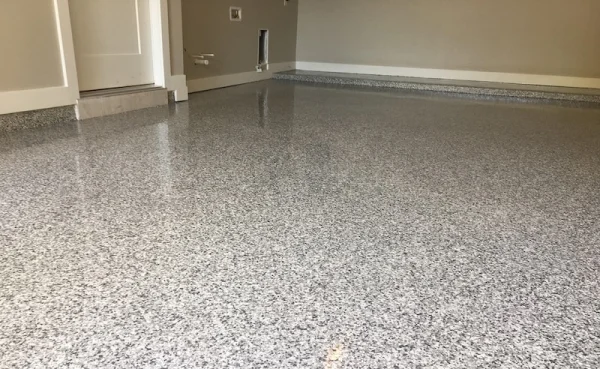
On an epoxy garage floor, wear isn’t random. It follows your daily habits. The same parking angle, the same heavy vehicle use, and the same turning point for your tires will eventually reveal high-stress zones. Even a truly durable floor shows its age where the most friction happens.
With a professional epoxy coating, the first shifts usually appear where heat and weight concentrate, like tire parking spots, or in lanes with repeated foot traffic. You might notice a softer texture or reduced gloss in these high traffic areas. That isn’t a failure; it’s just physics. What actually matters for an epoxy floor after 5 years isn’t the showroom shine. It’s whether the coating system still maintains a strong bond to the slab.
By year three, expect mild softening in traffic lanes. By year five, you’ll likely see a noticeable sheen reduction or minor tone shifts from UV light. This progression reflects normal aging, not a need for an automatic full replacement.
What Sun Exposure Does to Epoxy Over Several Years
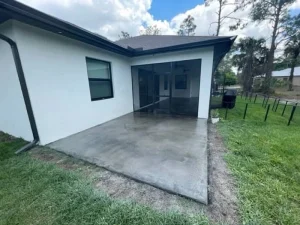
If garage wear follows traffic, outdoor aging follows the sun. And in Florida, that sun is relentless. Between the humidity and the heat radiating off the surrounding concrete, your surface works harder than most homeowners expect.
With an epoxy floor after 5 years, exterior changes usually show up gradually. You’ll notice a sheen reduction in areas exposed to direct sun or a slight warmth shift from prolonged UV exposure. This isn’t a failure; it’s simply UV stress. Not all epoxy flooring systems are created equal, especially outdoors. While standard epoxy has limited UV stability, systems with polyaspartic topcoats offer much better protection against the elements.
The honest answer to how long does epoxy hold up? It depends on several factors, such as product choice, proper surface preparation, and ongoing proper maintenance. The right system preserves both durability and aesthetic appeal, even under the Florida sun. Time takes its toll, but with the right coating system, it doesn’t have to take the floor with it.
Normal Wear vs. Red Flags
By the time you search for an epoxy floor after 5 years, you’re usually staring at a mark on the surface and wondering: Is this normal, or is the floor failing?
Here’s the honest answer: Wear happens on the top layer, but failure starts underneath. A little gloss reduction or some minor scratches don’t mean your coating system is breaking down. Between parked cars and weekend projects, floors take a beating. The real question isn’t whether it still looks brand new. It’s whether it’s still bonded to the underlying concrete floor.
To separate cosmetic aging from real adhesion problems, look for these differences:
|
Normal Wear (Cosmetic) |
Red Flags (Adhesion Issues) |
|
Minor gloss reduction in high traffic areas |
Peeling at edges or corners |
|
Fine surface scratches in traffic paths |
Bubbling or moisture blisters |
|
Slight texture smoothing over time |
Cracks telegraphing through the coating |
|
Subtle dulling where hot tires sit |
Lifting or separation from the concrete |
One affects the aesthetic appeal, the other affects the structure. If the surface remains tightly adhered with no peeling or hollow spots, that’s just aging, not a failure.
Should You Recoat After 5 Years?
Not necessarily. When you look up an epoxy floor after 5 years, you might assume a refresh is automatic. It isn’t. In many Florida homes, properly installed system can go well beyond five years without needing a full replacement.
A maintenance recoat is usually about restoring the aesthetic appeal you fell in love with, bringing back the gloss, refreshing surface protection, and tightening up those minor wear zones. It doesn’t mean your floor coating failed. It means you are preserving its performance before excessive wear sets in.
The real decision comes down to a few practical factors for your space: Is the coating still firmly bonded to the underlying concrete? Is there any trapped moisture in the slab? How much UV exposure has your surface taken?
Recoating should be strategic. Done at the right time, it extends your floor’s life. Done too early, it’s an unnecessary expense. If that strong bond is still there, you are often better off sticking with proper maintenance until the look truly fades.
What an Epoxy Floor After 5 Years Should Really Look Like
When you evaluate an epoxy floor after 5 years, you aren’t just judging the shine. You’re judging whether it still feels solid underfoot. The truth is simple: the quality of the original epoxy floor installation determines exactly what year five looks like for your home.
An epoxy floor shouldn’t surprise you at year five. If it does, something was wrong from day one.
When proper surface preparation is done correctly, and the right system is matched to your space—whether it’s a garage, balcony, or lanai—the coating ages gradually and predictably. It shouldn’t surprise you with sudden peeling or widespread failure.
If you’re unsure whether your surface is showing normal wear or early warning signs, Creative Resurfacing Solutions can inspect it. They’ll provide a clear, straightforward assessment of your floor’s life and strong bond. No pressure. Just an honest answer on where your floor stands today.