Concrete resurfacing sounds simple until you start getting quotes that range from $3,000 to well over $15,000. That’s where most Florida homeowners get stuck. One contractor says your driveway is fine for a quick overlay, while another insists it needs intensive grinding and moisture sealing. Suddenly, a basic refresh feels like a massive investment, and it isn’t always clear why the prices vary so much.
To pin down a realistic, concrete resurfacing cost in 2026, you have to look at what’s happening under the surface. Between rising material costs and the labor required to survive Florida’s humidity, the “cheap” quote often ends up being the most expensive one you’ll ever pay for. This guide breaks down the actual numbers, the hidden prep costs, and how to tell if a quote is fair or just a shortcut.
How Much Does Concrete Resurfacing Cost in Florida (2026)
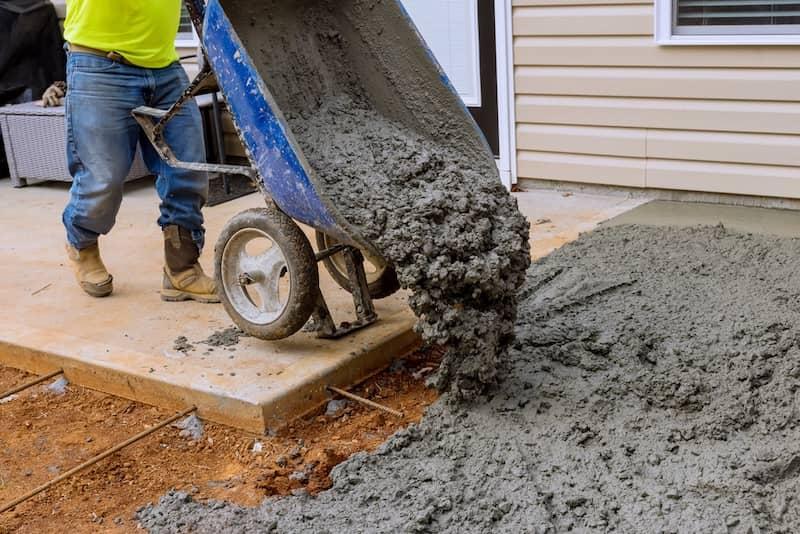
The short answer is this. Most concrete resurfacing costs fall between $3 and $25 per sq foot, depending on the finish, prep, and condition of the existing surface.
Here’s what that looks like in real projects across Florida:
- Basic coating on a concrete patio or walkways: $3 to $7 per square foot
- Mid-range decorative concrete or concrete overlays: $8 to $15 per square foot
- High-end finishes for a pool deck or custom driveway: $15 to $25+ per square foot
For a typical concrete resurfacing project:
- Driveway in Sarasota: $4,000 to $12,000
- Pool area in Miami: $5,000 to $18,000
- Patio in Bradenton: $3,000 to $10,000
|
Level |
Cost Range |
What You’re Getting |
|
Basic |
Lower cost |
Faster job, shorter lifespan, more maintenance |
|
Mid Range |
Balanced |
Best value, strong durability, clean finish |
|
High End |
Premium |
Custom look, long-lasting results, lowest upkeep |
The big thing to understand is this. The final price is not just about size. It is about how much work is needed before anything is applied.
Why Concrete Resurfacing Costs More in 2026 Than Before
Prices have shifted, and it is not random.
In Florida, your concrete surface takes a beating. Strong UV exposure breaks down coatings faster. Heavy rain creates moisture pressure under the slab. In coastal areas like Miami, salt air adds another layer of wear. Because of that, better materials are now used. They are designed to handle UV damage and moisture movement. That alone raises resurfacing costs.
Labor has also changed. Proper installs now include moisture checks, deeper prep, and more precise application steps. This is not just someone spraying a concrete resurfacer over old concrete anymore.
There is also the influence of updated building standards. The 9th Edition Florida Building Code has pushed for more durable and safer installs, especially in outdoor spaces like pool decks and driveways.
All of this adds to the cost. But it also leads to results that actually last in Florida conditions.
What Actually Affects the Cost of Concrete Resurfacing
Before anything gets installed, the condition of your existing slab sets the tone. This is where most price differences come from.
Surface Condition
Not all cracked concrete is the same.
- Small cracks and minor cracks are usually easy to repair.
- Large cracks or movement in the foundation require more work.
If the existing concrete is stable, resurfacing concrete becomes a cheaper option. If not, more repair is needed before you can resurface the concrete properly.
Prep Work (Where the Real Cost Is)
This is the part most people underestimate. A proper resurfacing process includes:
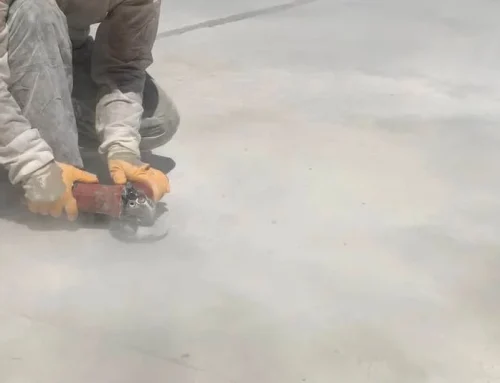
- Deep cleaning with a pressure washer
- Removing dirt, debris, and failing coatings
- Grinding the surface
- Filling cracks and leveling the slab
Here is a real example.
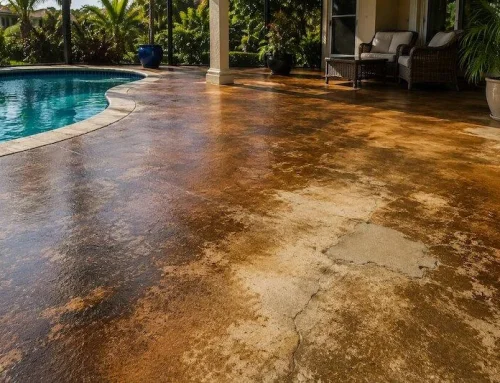
A homeowner in Bradenton paid around $5,000 for a quick coating on an old concrete driveway. It looked great for a few months. Then it started peeling. The issue was simple. The old sealer was never removed. The fix required grinding everything down and starting over. That doubled the cost.
Skipping prep saves money upfront. It almost always costs more later.
If you want to see exactly how these shortcuts lead to peeling or cracking, you can read more about why concrete resurfacing fails when proper prep is ignored.
Size and Layout
A simple square patio is always more straightforward than a complex pool deck full of drains, tight curves, and custom edges. These details require significantly more precision and manual labor, which is a major factor that can drive up your final resurfacing costs.
Material and Finish Choice
The type of finish you choose can make a noticeable difference in the final price. A basic resurfacing system will generally cost less than a decorative finish that requires additional colors, textures, patterns, or application steps.
Common options include:
- Basic coatings or resurfacing systems
- Decorative concrete overlays
- Stamped or textured finishes
- Custom colors and design details
Resurfacing and concrete overlays are also not always interchangeable. The materials, thickness, preparation, and finish can vary depending on the system and what you want to achieve.
If you’re deciding between the two, our guide to concrete resurfacing vs. concrete overlay breaks down the differences and where each option makes sense.
Before choosing a finish based on price or appearance alone, consider the condition of the existing concrete and how the surface will be used. A driveway, patio, and pool deck can have very different requirements.
Florida Specific Factors
Florida is not a forgiving environment for a concrete slab. Constant heat causes intense expansion and stress, while heavy tropical rains create moisture pressure from underneath that can pop a weak coating right off the surface.
Along the coast, salt air speeds up wear, making foot traffic areas like driveways and pool decks even more vulnerable. These environmental factors are exactly why a high-performance install matters more here than in almost any other state.
Concrete Resurfacing vs Replacement (Which One Actually Saves More?)
Concrete resurfacing cost is lower than full replacement. That part is clear. But resurfacing only works when the existing slab is still doing its job underneath.
Resurfacing makes sense when:
- The surface damage is mostly cosmetic.
- The concrete slab is still stable.
- You want a more cost-effective way to upgrade the look.
Replacement makes more sense when:
- There are deep or widening cracks.
- The foundation is shifting.
- The concrete is breaking down in sections.
There is one situation that trips people up in Florida.
A slab can look “solid” but still be uneven. This happens a lot in areas with sandy soil, like parts of Sarasota or Bradenton. The slab settles or sinks over time. It is not broken, just out of level.
In that case, resurfacing can still work. But it needs an extra step first.
Leveling methods like mudjacking or slab lifting can bring the existing slab back into place before applying a new finish. That step is separate from the resurfacing itself, and it adds to the total cost, but it prevents bigger problems later.
Trying to resurface a slab that is sinking without fixing it first is where money gets wasted. The finish may look good for a while, but the issue underneath does not go away.
The goal is simple. Make sure the slab is stable and properly leveled before anything goes on top. That is what separates a quick fix from something that actually lasts.
Is Concrete Resurfacing Worth It? (Real ROI Breakdown)
In the right situation, yes. A well-done concrete resurfacing project can extend the life of your driveway, patio, or concrete garage floor without pouring a new slab. It also improves curb appeal. That matters more than people think, especially in places like Sarasota, where outdoor spaces are part of daily life.
Compared to replacement, resurfacing concrete is cheaper, which becomes obvious when the slab is still in good shape.
You also get:
- Lower maintenance over time
- Better resistance to wear
- More design flexibility
If you are still weighing the investment against the long-term benefits, this breakdown helps connect the dots on whether concrete resurfacing is worth it for your specific property.
When Resurfacing Is NOT the Right Move
Sometimes, it is better to step back. Resurfacing is not a fix for everything.
It may not work well if:
- The slab has structural damage.
- There are large cracks from movement.
- Drainage issues keep coming back.
- The existing surface is separating or sinking.
In those cases, full replacement is the better route. It costs more upfront. But it prevents wasting money on a short-term fix that will fail.
How to Avoid Overpaying for Concrete Resurfacing
The lowest quote is not always the least expensive option.
Concrete resurfacing prices can vary significantly between contractors because the quotes may not include the same amount of preparation, repair work, materials, or finishing. A low price can look attractive until additional charges appear—or the surface starts failing because the contractor skipped important prep work.
The best way to protect your budget is to understand exactly what you are paying for.
Compare Detailed Quotes, Not Just the Final Price
Get multiple quotes when possible, but compare what each contractor actually includes rather than choosing based on the total alone.
A proper resurfacing quote should clearly explain:
- Cleaning and surface preparation
- Grinding or removal of existing coatings when necessary
- Crack repair and other required repairs
- Material or coating system being installed.
- Decorative finishes or customization
- Sealing and protection
- Any additional work required before resurfacing can begin.
If one contractor is significantly cheaper than the others, find out why. The difference may come from the material being used, but it could also mean less preparation or important steps being excluded from the estimate.
Ask What Happens if Additional Damage Is Found
Some problems are difficult to fully evaluate until the existing surface has been cleaned or prepared.
Ask your contractor how they’ll handle unexpected repairs and whether they could change the quoted price. Setting aside some room in your budget for additional crack repair, leveling, or preparation can prevent an unexpected issue from derailing the project.
Spend Money Where It Matters Most
If you are trying to control costs, prioritize the condition and preparation of the concrete before spending heavily on decorative upgrades.
A simpler finish installed over a properly prepared surface is usually a better use of your budget than an expensive decorative finish applied over poorly prepared concrete.
You can also reduce unnecessary costs by choosing a finish that fits how the area will actually be used. A patio, pool deck, garage floor, and driveway do not necessarily need the same resurfacing system or level of customization.
Be Careful With Quotes That Leave Out Prep
Watch for estimates with:
- No explanation of surface preparation
- No mention of crack repair
- No breakdown of the resurfacing system or materials
- Vague descriptions of what is included
- A price dramatically lower than comparable quotes.
Before signing anything, ask what preparation the contractor will perform and what condition they expect the existing slab to be in.
Saving money on decorative extras is one thing. Saving money by skipping the work required to make the new surface bond properly can become much more expensive if the resurfacing fails early.
The goal is not simply to find the cheapest concrete resurfacing cost. It is to understand what you are getting for that price and choose an installation that makes sense for the condition of your concrete, your budget, and how you plan to use the surface.
What to Expect During the Process
A typical project moves fast when done right.
- Day 1: Cleaning, grinding, and repairs
- Day 2 to 3: Application of the new surface
- Day 3 to 5: Cure time before full use
Weather plays a role. In Florida, humidity and rain can slow things slightly. After that, your new surface is ready for normal use. That includes foot traffic, vehicles, and outdoor use around the pool area.
The Real Cost Isn’t the Price, It’s Whether It Lasts
Most people focus on the number they see in the quote. But the real concrete resurfacing cost is what happens after the job is done. If the prep is rushed or the wrong materials are used, the surface breaks down early. Then you are paying again. That is where the real waste happens.
A properly done resurfacing should hold up against Florida heat, rain, and daily use. It should not peel, crack, or fade within a year. That is the difference between a quick fix and a long-term solution.
At Creative Resurfacing Solutions, the focus stays simple. Do the prep right. Use materials built for Florida. Deliver results that actually last.
If you want a clear breakdown of your specific project, the best next step is simple. Get a site-specific quote that includes prep, moisture checks, and realistic pricing based on your surface.
Frequently Asked Questions
How much does concrete resurfacing cost in Florida in 2026?
Most concrete resurfacing cost in Florida ranges from $3 to $25 per square foot. The final price depends on surface condition, prep work, and the type of finish used. Projects with proper grinding, crack repair, and sealing will cost more upfront but tend to last longer.
Is resurfacing concrete cheaper than replacing it?
Yes, resurfacing is usually more cost-effective than full replacement when the existing slab is still stable. It avoids demolition and reduces labor, which lowers the overall cost. However, if there are structural issues, replacement may be the better long-term solution.
How long does concrete resurfacing last in Florida?
A properly done concrete resurfacing project can last 10 to 15 years or more. Longevity depends on prep work, materials, and exposure to Florida conditions like heat, rain, and foot traffic. Poor preparation is the most common reason surfaces fail early.
Can you resurface cracked or uneven concrete?
Small cracks can usually be repaired during the resurfacing process. For uneven slabs caused by settling, leveling methods like slab lifting may be needed first. Resurfacing should only be done after the underlying issue is addressed to avoid future problems.
What is included in a proper concrete resurfacing quote?
A complete quote should include cleaning, surface prep, crack repair, material application, and sealing. It should also account for moisture conditions, especially in Florida. Quotes that skip these steps may look cheaper but often lead to higher costs later.
Concrete resurfacing sounds simple until you start getting quotes that range from $3,000 to well over $15,000. That’s where most Florida homeowners get stuck. One contractor says your driveway is fine for a quick overlay, while another insists it needs intensive grinding and moisture sealing. Suddenly, a basic refresh feels like a massive investment, and it isn’t always clear why the prices vary so much.
To pin down a realistic, concrete resurfacing cost in 2026, you have to look at what’s happening under the surface. Between rising material costs and the labor required to survive Florida’s humidity, the “cheap” quote often ends up being the most expensive one you’ll ever pay for. This guide breaks down the actual numbers, the hidden prep costs, and how to tell if a quote is fair or just a shortcut.
How Much Does Concrete Resurfacing Cost in Florida (2026)
The short answer is this. Most concrete resurfacing costs fall between $3 and $25 per sq foot, depending on the finish, prep, and condition of the existing surface.
Here’s what that looks like in real projects across Florida:
- Basic coating on a concrete patio or walkways: $3 to $7 per square foot
- Mid-range decorative concrete or concrete overlays: $8 to $15 per square foot
- High-end finishes for a pool deck or custom driveway: $15 to $25+ per square foot
For a typical concrete resurfacing project:
- Driveway in Sarasota: $4,000 to $12,000
- Pool area in Miami: $5,000 to $18,000
- Patio in Bradenton: $3,000 to $10,000
|
Level |
Cost Range |
What You’re Getting |
|
Basic |
Lower cost |
Faster job, shorter lifespan, more maintenance |
|
Mid Range |
Balanced |
Best value, strong durability, clean finish |
|
High End |
Premium |
Custom look, long-lasting results, lowest upkeep |
The big thing to understand is this. The final price is not just about size. It is about how much work is needed before anything is applied.
Why Concrete Resurfacing Costs More in 2026 Than Before
Prices have shifted, and it is not random.
In Florida, your concrete surface takes a beating. Strong UV exposure breaks down coatings faster. Heavy rain creates moisture pressure under the slab. In coastal areas like Miami, salt air adds another layer of wear. Because of that, better materials are now used. They are designed to handle UV damage and moisture movement. That alone raises resurfacing costs.
Labor has also changed. Proper installs now include moisture checks, deeper prep, and more precise application steps. This is not just someone spraying a concrete resurfacer over old concrete anymore.
There is also the influence of updated building standards. The 9th Edition Florida Building Code has pushed for more durable and safer installs, especially in outdoor spaces like pool decks and driveways.
All of this adds to the cost. But it also leads to results that actually last in Florida conditions.
What Actually Affects the Cost of Concrete Resurfacing
Before anything gets installed, the condition of your existing slab sets the tone. This is where most price differences come from.
Surface Condition
Not all cracked concrete is the same.
- Small cracks and minor cracks are usually easy to repair.
- Large cracks or movement in the foundation require more work.
If the existing concrete is stable, resurfacing concrete becomes a cheaper option. If not, more repair is needed before you can resurface the concrete properly.
Prep Work (Where the Real Cost Is)
This is the part most people underestimate. A proper resurfacing process includes:
- Deep cleaning with a pressure washer
- Removing dirt, debris, and failing coatings
- Grinding the surface
- Filling cracks and leveling the slab
Here is a real example.
A homeowner in Bradenton paid around $5,000 for a quick coating on an old concrete driveway. It looked great for a few months. Then it started peeling. The issue was simple. The old sealer was never removed. The fix required grinding everything down and starting over. That doubled the cost.
Skipping prep saves money upfront. It almost always costs more later.
If you want to see exactly how these shortcuts lead to peeling or cracking, you can read more about why concrete resurfacing fails when proper prep is ignored.
Size and Layout
A simple square patio is always more straightforward than a complex pool deck full of drains, tight curves, and custom edges. These details require significantly more precision and manual labor, which is a major factor that can drive up your final resurfacing costs.
Material and Finish Choice
The type of finish you choose can make a noticeable difference in the final price. A basic resurfacing system will generally cost less than a decorative finish that requires additional colors, textures, patterns, or application steps.
Common options include:
- Basic coatings or resurfacing systems
- Decorative concrete overlays
- Stamped or textured finishes
- Custom colors and design details
Resurfacing and concrete overlays are also not always interchangeable. The materials, thickness, preparation, and finish can vary depending on the system and what you want to achieve.
If you’re deciding between the two, our guide to concrete resurfacing vs. concrete overlay breaks down the differences and where each option makes sense.
Before choosing a finish based on price or appearance alone, consider the condition of the existing concrete and how the surface will be used. A driveway, patio, and pool deck can have very different requirements.
Florida Specific Factors
Florida is not a forgiving environment for a concrete slab. Constant heat causes intense expansion and stress, while heavy tropical rains create moisture pressure from underneath that can pop a weak coating right off the surface.
Along the coast, salt air speeds up wear, making foot traffic areas like driveways and pool decks even more vulnerable. These environmental factors are exactly why a high-performance install matters more here than in almost any other state.
Concrete Resurfacing vs Replacement (Which One Actually Saves More?)
Concrete resurfacing cost is lower than full replacement. That part is clear. But resurfacing only works when the existing slab is still doing its job underneath.
Resurfacing makes sense when:
- The surface damage is mostly cosmetic.
- The concrete slab is still stable.
- You want a more cost-effective way to upgrade the look.
Replacement makes more sense when:
- There are deep or widening cracks.
- The foundation is shifting.
- The concrete is breaking down in sections.
There is one situation that trips people up in Florida.
A slab can look “solid” but still be uneven. This happens a lot in areas with sandy soil, like parts of Sarasota or Bradenton. The slab settles or sinks over time. It is not broken, just out of level.
In that case, resurfacing can still work. But it needs an extra step first.
Leveling methods like mudjacking or slab lifting can bring the existing slab back into place before applying a new finish. That step is separate from the resurfacing itself, and it adds to the total cost, but it prevents bigger problems later.
Trying to resurface a slab that is sinking without fixing it first is where money gets wasted. The finish may look good for a while, but the issue underneath does not go away.
The goal is simple. Make sure the slab is stable and properly leveled before anything goes on top. That is what separates a quick fix from something that actually lasts.
Is Concrete Resurfacing Worth It? (Real ROI Breakdown)
In the right situation, yes. A well-done concrete resurfacing project can extend the life of your driveway, patio, or concrete garage floor without pouring a new slab. It also improves curb appeal. That matters more than people think, especially in places like Sarasota, where outdoor spaces are part of daily life.
Compared to replacement, resurfacing concrete is cheaper, which becomes obvious when the slab is still in good shape.
You also get:
- Lower maintenance over time
- Better resistance to wear
- More design flexibility
If you are still weighing the investment against the long-term benefits, this breakdown helps connect the dots on whether concrete resurfacing is worth it for your specific property.
When Resurfacing Is NOT the Right Move
Sometimes, it is better to step back. Resurfacing is not a fix for everything.
It may not work well if:
- The slab has structural damage.
- There are large cracks from movement.
- Drainage issues keep coming back.
- The existing surface is separating or sinking.
In those cases, full replacement is the better route. It costs more upfront. But it prevents wasting money on a short-term fix that will fail.
How to Avoid Overpaying for Concrete Resurfacing
The lowest quote is not always the least expensive option.
Concrete resurfacing prices can vary significantly between contractors because the quotes may not include the same amount of preparation, repair work, materials, or finishing. A low price can look attractive until additional charges appear—or the surface starts failing because the contractor skipped important prep work.
The best way to protect your budget is to understand exactly what you are paying for.
Compare Detailed Quotes, Not Just the Final Price
Get multiple quotes when possible, but compare what each contractor actually includes rather than choosing based on the total alone.
A proper resurfacing quote should clearly explain:
- Cleaning and surface preparation
- Grinding or removal of existing coatings when necessary
- Crack repair and other required repairs
- Material or coating system being installed.
- Decorative finishes or customization
- Sealing and protection
- Any additional work required before resurfacing can begin.
If one contractor is significantly cheaper than the others, find out why. The difference may come from the material being used, but it could also mean less preparation or important steps being excluded from the estimate.
Ask What Happens if Additional Damage Is Found
Some problems are difficult to fully evaluate until the existing surface has been cleaned or prepared.
Ask your contractor how they’ll handle unexpected repairs and whether they could change the quoted price. Setting aside some room in your budget for additional crack repair, leveling, or preparation can prevent an unexpected issue from derailing the project.
Spend Money Where It Matters Most
If you are trying to control costs, prioritize the condition and preparation of the concrete before spending heavily on decorative upgrades.
A simpler finish installed over a properly prepared surface is usually a better use of your budget than an expensive decorative finish applied over poorly prepared concrete.
You can also reduce unnecessary costs by choosing a finish that fits how the area will actually be used. A patio, pool deck, garage floor, and driveway do not necessarily need the same resurfacing system or level of customization.
Be Careful With Quotes That Leave Out Prep
Watch for estimates with:
- No explanation of surface preparation
- No mention of crack repair
- No breakdown of the resurfacing system or materials
- Vague descriptions of what is included
- A price dramatically lower than comparable quotes.
Before signing anything, ask what preparation the contractor will perform and what condition they expect the existing slab to be in.
Saving money on decorative extras is one thing. Saving money by skipping the work required to make the new surface bond properly can become much more expensive if the resurfacing fails early.
The goal is not simply to find the cheapest concrete resurfacing cost. It is to understand what you are getting for that price and choose an installation that makes sense for the condition of your concrete, your budget, and how you plan to use the surface.
What to Expect During the Process
A typical project moves fast when done right.
- Day 1: Cleaning, grinding, and repairs
- Day 2 to 3: Application of the new surface
- Day 3 to 5: Cure time before full use
Weather plays a role. In Florida, humidity and rain can slow things slightly. After that, your new surface is ready for normal use. That includes foot traffic, vehicles, and outdoor use around the pool area.
The Real Cost Isn’t the Price, It’s Whether It Lasts
Most people focus on the number they see in the quote. But the real concrete resurfacing cost is what happens after the job is done. If the prep is rushed or the wrong materials are used, the surface breaks down early. Then you are paying again. That is where the real waste happens.
A properly done resurfacing should hold up against Florida heat, rain, and daily use. It should not peel, crack, or fade within a year. That is the difference between a quick fix and a long-term solution.
At Creative Resurfacing Solutions, the focus stays simple. Do the prep right. Use materials built for Florida. Deliver results that actually last.
If you want a clear breakdown of your specific project, the best next step is simple. Get a site-specific quote that includes prep, moisture checks, and realistic pricing based on your surface.
Frequently Asked Questions
How much does concrete resurfacing cost in Florida in 2026?
Most concrete resurfacing cost in Florida ranges from $3 to $25 per square foot. The final price depends on surface condition, prep work, and the type of finish used. Projects with proper grinding, crack repair, and sealing will cost more upfront but tend to last longer.
Is resurfacing concrete cheaper than replacing it?
Yes, resurfacing is usually more cost-effective than full replacement when the existing slab is still stable. It avoids demolition and reduces labor, which lowers the overall cost. However, if there are structural issues, replacement may be the better long-term solution.
How long does concrete resurfacing last in Florida?
A properly done concrete resurfacing project can last 10 to 15 years or more. Longevity depends on prep work, materials, and exposure to Florida conditions like heat, rain, and foot traffic. Poor preparation is the most common reason surfaces fail early.
Can you resurface cracked or uneven concrete?
Small cracks can usually be repaired during the resurfacing process. For uneven slabs caused by settling, leveling methods like slab lifting may be needed first. Resurfacing should only be done after the underlying issue is addressed to avoid future problems.
What is included in a proper concrete resurfacing quote?
A complete quote should include cleaning, surface prep, crack repair, material application, and sealing. It should also account for moisture conditions, especially in Florida. Quotes that skip these steps may look cheaper but often lead to higher costs later.