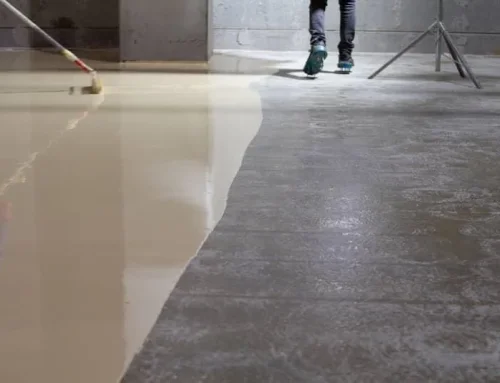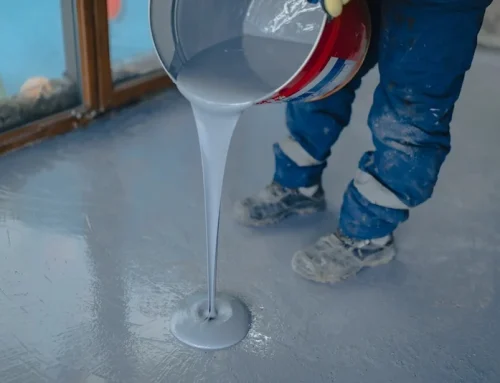
Most homeowners wait until year five to call us. By then, they’re looking at a full replacement.
But if you look closely at year two, the floor is already telling you exactly what’s going to fail.
But here’s what most people don’t realize.
By the time problems show up, the damage has already been building for years. An epoxy floor after 2 years is usually where it starts. Not obvious. Not dramatic. Just small changes most people brush off.
A dull patch near the garage door. Slight lifting at the edge. A few bubbles that seem harmless. If you’ve seen what happens later, you already know how this plays out. The signs were there early. They just weren’t caught.
This guide breaks down what to look for at year two, what those signs actually mean, and how they connect directly to what shows up by year five.
Why Year 2 Matters More Than Most Homeowners Think
The second year is where the story really begins.
On the surface, your epoxy garage floor still looks solid. Clean enough. No major damage. But underneath, things are starting to shift.
Every day use adds up with foot traffic, vehicle traffic, and hot tires rolling in after a drive. Even small temperature changes occur between day and night.
In Florida, there’s another layer to it.
Concrete here doesn’t stay dry the way people expect. The high water table means your concrete floor acts like a sponge. It absorbs moisture from below. By year two, that moisture starts pushing upward. Not enough to ruin the floor overnight, but enough to weaken the bond.
That’s when an epoxy floor after 2 years, begins to show subtle signs.
You might not think much of it, and sadly, most people don’t.
But those early changes are usually the exact spots that fail later. If you want a better sense of how floors actually hold up over time, this breakdown on how epoxy coatings perform long-term helps put it into perspective.
Early Signs of Epoxy Floor Wear Most People Miss
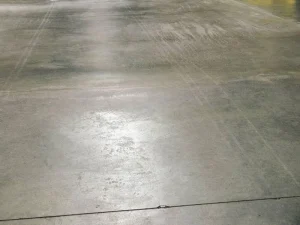
An epoxy floor after 2 years doesn’t fail loudly. It hints. Quiet shifts in the surface that are easy to ignore unless you know what you’re seeing.
Here’s what tends to show up first.
Dull or Uneven Shine in High Traffic Areas
The first thing to go is the shine.
Think of it like the clear coat on your car. Before paint starts peeling, it turns cloudy. It loses that smooth, reflective look. Your floor works the same way.
That dullness near the garage door or where you step out of your car isn’t just dirt. It’s the protective clear coat wearing thin from constant foot traffic and vehicle traffic.
You’ll usually notice it in the same spots every day. Where tires sit. Where you pivot when getting out of the car. Those areas take the most stress.
Once that top layer starts fading, the epoxy surface underneath becomes more exposed. That’s when wear speeds up, and small issues start stacking.
Slight Lifting or Peeling at Edges
Early peeling usually starts at the edges.
Near walls. Around the garage opening. Along joints in the concrete.
At first, it looks minor. Easy to ignore. But this is often where bonding issues begin. Either the proper surface preparation wasn’t done right during installation, or moisture is slowly pushing upward from the bare concrete.
Try a simple check. Slide a coin or a card under the edge. If it slips in, the bond is already compromised.
Small Bubbles or Surface Blisters
These show up as tiny raised spots across the floor coating.
In Florida, this is common. The slab holds moisture. Over time, that trapped vapor builds pressure and pushes against the epoxy coating system. By year two, that pressure starts to show. Small bubbles form. Then they grow. Then they break.
Once that happens, the finished surface is exposed.
Hairline Cracks or Surface Fractures
Not all cracks come from impact.
Sometimes it’s movement underneath. The concrete surfaces shift slightly with heat and moisture changes. That stress transfers upward into the resin layer.
You’ll often see this where there’s heavy traffic or where heavier items sit. It can also start when people drag equipment across the garage floor. Things like gym racks or lawn tools can create pressure points.
Yellowing or Discoloration: The “Ambering” Effect
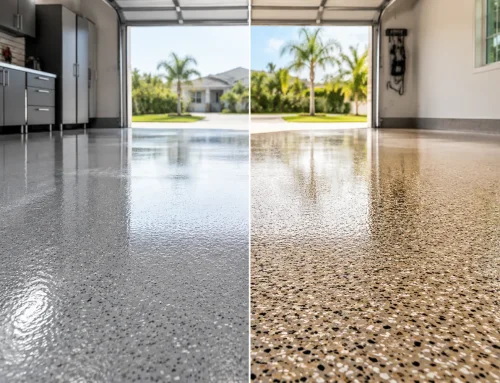
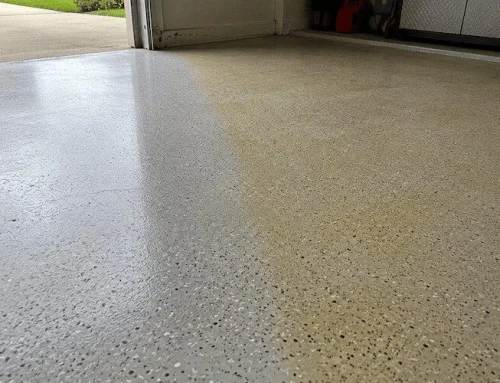
Sunlight tells a story, and in Florida, it’s often a story of UV damage. If your garage floor gets direct sun for even a few hours a day, year two is when the “ambering” begins.
Because epoxy comes in so many colors and styles, discoloration doesn’t always look like a stain. It looks like a shift in the floor’s personality:
-
- For Solid Colors (Grays, Tans, Whites): You’ll notice a distinct yellow or nicotine-stain tint. It usually starts near the garage door opening, where the sun hits most and makes the floor look aged and uneven.
-
- For Decorative Flake Floors: The clear topcoat begins to turn a murky amber. This muddies the colors of your flakes. Those crisp blues or silvers start looking dull or brownish, losing the pop they had on day one.
-
- The Shadow Test: If you move a storage bin or a tool chest that hasn’t shifted in two years, look at the color underneath. If the floor under the bin looks bright and new, but the rest of the floor looks warm or yellowed, your coating isn’t UV-stable.
Lower-grade epoxy systems act like a magnifying glass for sun damage. What starts as a subtle shade difference in year two usually becomes a stark, two-tone floor by year five.
Sticky or Soft Spots
This one surprises people.
Some areas may feel slightly soft or tacky. That can point to issues during curing, like wet epoxy, or early chemical exposure from harsh chemicals or road salt. It can also mean parts of the coating system didn’t fully harden during the installation process.
What These Signs Turn Into by Year 5
This is where everything connects.
What you see in an epoxy floor after 2 years is usually the starting point of what shows up later.
That dull spot becomes a patchy, uneven floor. Slight lifting spreads into visible peeling. Bubbles break open and expose the layer underneath.
Once the epoxy coating loses its bond, it stops protecting the concrete floor. That’s when deeper issues begin. Stains set in. Cracks widen. Surface damage spreads.
Hot tire pickup becomes more noticeable, too. When hot tires hit a weakened area, they can pull sections of the coating right off.
If you’ve ever wondered how these small issues turn out over time, this guide showing what epoxy floors look like after 5 years puts it into perspective.
By that point, most floors need serious repair or a complete replacement.
Why Do These Problems Happen So Early
There’s usually a reason behind early wear.
The biggest one is proper preparation. If the concrete floor wasn’t cleaned and prepped correctly, the epoxy base coat won’t bond well.
Moisture plays a big role, too. Florida slabs hold moisture longer than expected. Without proper testing, that moisture builds pressure and weakens the coating system.
Material quality matters. Not all epoxy is built the same. Lower-grade epoxy systems may look good at first but don’t hold up under heavy vehicles, chemical exposure, and daily use.
Another common mistake is rushing the installation. Skipping steps or using thin layers leads to early premature failure.
If you want to see how installation mistakes show up later, this breakdown of common epoxy installation mistakes connects the dots.
What You Can Do in Year 2 to Avoid Bigger Repairs
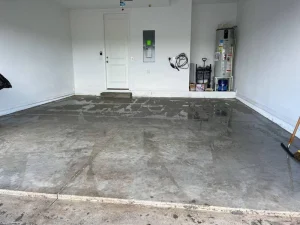
This is the window where you still have control.
If your epoxy floor after 2 years, shows early signs, most issues can still be managed.
You can start simple. Regular cleaning helps prevent buildup from dirt, chemicals, and debris. Even using a leaf blower keeps particles from grinding into the surface.
Be mindful of how you use the space. Avoid dragging heavy equipment across the floor. That’s one of the fastest ways to create cracks.
Check edges, too. If you notice lifting, test it early. That small gap can grow fast if ignored.
In some cases, adding a new clear coat helps restore protection. For better performance in Florida, a polyaspartic coating can improve durability and UV resistance.
If anything feels off, bring in professional installers. A quick check now is much easier than dealing with failure later.
When a Small Fix Is Enough and When It’s Not
Not every issue needs a full redo.
If the problem stays on the surface, like dullness or light wear, a recoat usually works. That restores the look and protects the epoxy surface again.
But if the issue runs deeper, it’s different.
Widespread peeling, multiple soft spots, or large lifted areas usually mean the bond is failing. At that point, patching won’t hold.
That’s when a complete replacement becomes the better option.
Simple rule:
Surface issue means repair
A bond issue means replacing.
Catching that difference early makes all the difference.
A Quick Inspection Checklist You Can Use Today
Take a look inside your own garage:
-
- Uneven shine in high traffic areas
-
- Early peeling along edges.
-
- Bubbles or raised spots
-
- Discoloration from sunlight
-
- Soft or sticky areas
-
- Signs of wear from vehicle traffic
If something stands out, don’t wait. Small signs rarely stay small.
What You Catch at Year 2 Decides What Happens at Year 5
There’s always a way to stay ahead.
An epoxy floor after 2 years gives you a chance to act before things get worse. Most of the damage people deal with later started as something minor.
A dull patch, a small lift, or even a few bubbles. Ignore it, and it spreads. Catch it early, and it stays manageable.
At Creative Resurfacing Solutions, the focus stays simple: use quality materials, follow proper surface preparation, and deliver professional installation that holds up over time.
Because when it’s done right, you don’t deal with constant repair. You get a durable product built to last.
And that’s how you stop worrying about what your floor will look like five years from now.